Strategic Analysis: A Practical Guide to Better Business Decisions
Strategic Analysis: A Practical Guide to Making Better Business Decisions
Strategic analysis helps an organization understand where it stands, what is changing around it, and which choices are most likely to support its long-term goals. Rather than relying on assumptions or reacting to every new development, leaders use strategic analysis to examine evidence, identify priorities, and make informed decisions.
For businesses of any size, the process can clarify how to compete, where to invest, which risks to address, and how to adapt as customer needs and market conditions evolve.
What Is Strategic Analysis?
Strategic analysis is the structured evaluation of an organization and the environment in which it operates. It considers internal factors—such as capabilities, finances, people, and processes—alongside external forces, including customers, competitors, regulations, technology, and economic conditions.
The purpose is not simply to collect information. It is to turn relevant information into insight that can guide decisions. A useful analysis connects what is happening today with the organization’s objectives and the actions needed to move forward.
Why Strategic Analysis Matters
Organizations face constant change. Customer expectations shift, new competitors enter the market, costs fluctuate, and technology creates both opportunities and challenges. Strategic analysis gives decision-makers a way to respond deliberately instead of relying solely on instinct or short-term pressures.
- Clarifies priorities: It helps leaders focus time and resources on the issues that matter most.
- Reveals opportunities: It can uncover underserved customers, promising services, or more effective ways to operate.
- Identifies risks: It highlights potential threats before they become urgent problems.
- Supports investment decisions: It provides a stronger basis for evaluating new initiatives and allocating resources.
- Builds alignment: It gives teams a shared understanding of the organization’s situation and direction.
Key Areas to Examine
The External Environment
External analysis looks at forces outside the organization that may influence its performance. These can include economic trends, laws and regulations, social changes, technology, environmental concerns, and political developments. A PESTLE analysis—covering political, economic, social, technological, legal, and environmental factors—is one common way to organize this review.
The goal is not to predict the future with certainty. It is to identify changes that could affect the organization and consider how prepared it is to respond.
Customers and Markets
Understanding customers is central to sound strategy. Organizations can examine who their customers are, what they value, how their needs are changing, and why they choose one provider over another. Useful sources may include customer conversations, surveys, sales data, service records, and market research.
Market analysis should also consider the size and direction of relevant markets, customer segments, buying patterns, and barriers to entry. Clear evidence is especially important when an organization is considering a new product, service, or location.
Competitors and Alternatives
Competitive analysis goes beyond listing direct competitors. It asks how customers solve the same problem in other ways and what makes each option appealing. Factors may include price, convenience, quality, reputation, product selection, customer service, and access.
The purpose is not to copy competitors. It is to understand the choices customers have and identify where the organization can offer meaningful value.
Internal Capabilities
Internal analysis examines what the organization can do well and where it may need to improve. This includes its people, expertise, finances, facilities, technology, relationships, brand, and business processes.
A SWOT analysis can help summarize this picture by identifying strengths, weaknesses, opportunities, and threats. Strengths and weaknesses are generally internal; opportunities and threats are generally external. The framework is most useful when each point is specific and supported by evidence.
A Practical Strategic Analysis Process
- Define the decision or question. Start with a clear focus, such as whether to enter a new market, expand a service, improve customer retention, or invest in new technology.
- Set the scope. Determine the time period, business area, customer group, or market to be examined.
- Gather relevant evidence. Use reliable internal and external sources. Distinguish verified facts from assumptions and opinions.
- Assess the organization’s position. Compare capabilities and performance with customer needs, market conditions, and strategic goals.
- Identify the most important insights. Look for patterns, gaps, risks, and opportunities. Prioritize the findings rather than treating every observation as equally important.
- Develop and compare options. Consider several possible actions, along with their costs, benefits, risks, and resource requirements.
- Choose measures of success. Establish clear indicators that show whether the chosen strategy is working.
- Review and adjust. Strategic analysis should be revisited as conditions change and new information becomes available.
Turning Analysis into Action
A strategic analysis has limited value if it ends with a report that no one uses. To create practical value, findings should lead to clear decisions, assigned responsibilities, timelines, and measures of progress.
For example, if analysis shows that customers value faster service, an organization might review its processes, identify bottlenecks, and test a change in one area before expanding it. The strategy should specify who will lead the work, what resources are needed, and how improvement will be measured.
It is also important to communicate the reasoning behind strategic choices. When teams understand the evidence and priorities, they are better positioned to make consistent decisions in their own areas of responsibility.
Common Challenges
- Starting with a preferred answer: Analysis becomes less useful when evidence is gathered only to support a decision already made.
- Using too much information: Large volumes of data can obscure the few findings that should guide action.
- Relying on outdated assumptions: Customer behavior and market conditions can change quickly, so important assumptions should be tested.
- Ignoring implementation: A sound strategy still needs resources, ownership, and follow-through.
- Treating analysis as a one-time event: Regular review helps organizations respond to new risks and opportunities.
Building a More Adaptable Strategy
Strategic analysis is not about producing a perfect forecast. It is about making better-informed choices and preparing to adapt. Organizations can strengthen the process by listening to customers, involving people with different perspectives, checking assumptions, and monitoring a small set of meaningful indicators.
When analysis is connected to clear goals and ongoing action, it becomes a practical management tool—not just an exercise in planning. The result is a stronger understanding of the organization’s position and a more disciplined approach to pursuing its next opportunity.
Understanding Strategic Analysis: Key Concepts and Frequently Asked Questions
- What is strategic analysis and example?
- What is the significance of strategic analysis?
- What are the 3 major areas of strategic analysis?
- What are the 3 parts on strategic analysis?
- What are examples of strategic analysis?
- What is a strategic analysis?
- What are the six key elements of strategic analysis?
- What are the 5 C’s of strategic analysis?
What is strategic analysis and example?
Strategic analysis is the process of evaluating an organization’s internal strengths and weaknesses alongside external opportunities and threats to guide long-term decisions. For example, a local business considering whether to add online sales might review customer demand, competitors’ offerings, delivery costs, its own technology and staffing, and potential risks. The findings can help determine whether the opportunity supports the business’s goals and what resources would be needed to pursue it.
What is the significance of strategic analysis?
Strategic analysis is significant because it helps an organization understand its strengths, weaknesses, opportunities, and risks before making important decisions. By examining internal capabilities alongside customer needs, competitors, and market changes, leaders can set clearer priorities, use resources more effectively, and prepare for potential challenges. This gives the organization a stronger foundation for choosing goals and adapting its plans as conditions change.
What are the 3 major areas of strategic analysis?
The three major areas of strategic analysis are the external environment, the organization’s internal capabilities, and its goals and stakeholders’ expectations. External analysis examines market trends, customers, competitors, and other forces that may create opportunities or risks. Internal analysis assesses resources, skills, processes, and strengths or weaknesses. Reviewing goals and stakeholder expectations helps ensure that strategic choices align with the organization’s purpose and the needs of the people it serves.
What are the 3 parts on strategic analysis?
Strategic analysis is commonly divided into three parts: an analysis of the external environment, an assessment of the organization’s internal strengths and weaknesses, and an evaluation of strategic options. External analysis examines factors such as customers, competitors, and market trends; internal analysis reviews resources, capabilities, and performance; and evaluating strategic options helps determine which actions best support the organization’s goals.
What are examples of strategic analysis?
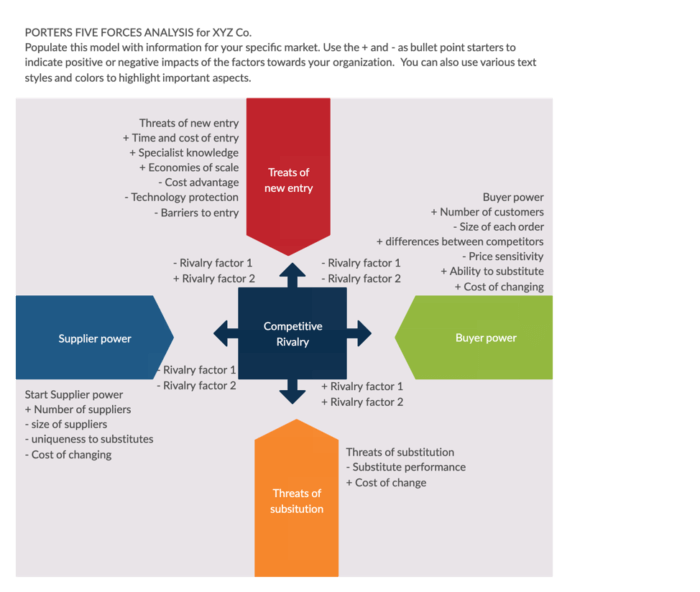
Examples of strategic analysis include a SWOT analysis to assess strengths, weaknesses, opportunities, and threats; a PESTLE analysis to examine political, economic, social, technological, legal, and environmental factors; and Porter’s Five Forces to evaluate competitive pressures in an industry. Organizations may also analyze customer needs, compare competitors, review internal capabilities and financial performance, or use scenario planning to prepare for possible future changes. These approaches help leaders understand their position and make informed decisions about priorities, investments, and growth.
What is a strategic analysis?
A strategic analysis is a structured assessment of an organization’s internal capabilities and external environment to understand its current position and guide long-term decisions. It examines factors such as strengths and weaknesses, customers, competitors, market trends, and potential risks or opportunities. The findings help an organization set priorities, choose effective actions, and adapt as conditions change.
What are the six key elements of strategic analysis?
The six key elements of strategic analysis are an organization’s mission and objectives, its internal strengths and weaknesses, the external environment and market trends, customers and competitors, available strategic options, and the resources and measures needed to carry out a strategy. Together, these elements help leaders understand their current position, identify opportunities and risks, compare possible directions, and determine how to put a chosen strategy into action.
What are the 5 C’s of strategic analysis?
The 5 C’s of strategic analysis are Company, Customers, Competitors, Collaborators, and Climate. Together, they help an organization assess its internal strengths and weaknesses, understand customer needs, evaluate competing options, consider partners and suppliers, and examine broader forces such as economic, technological, social, and regulatory changes. Reviewing all five provides a well-rounded view of the business environment and can help guide strategic decisions.
Related Post

Exploring the Professional Auto Industry: Trends and Careers
The World of Professional Auto: A Look into the Industry The World of Professional Auto: [...]
Empowering Industries: The Essential Role of an Equipment Dealer
The Role of an Equipment Dealer in Today’s Industry The Role of an Equipment Dealer [...]