Help With Google Ads: A Practical Guide
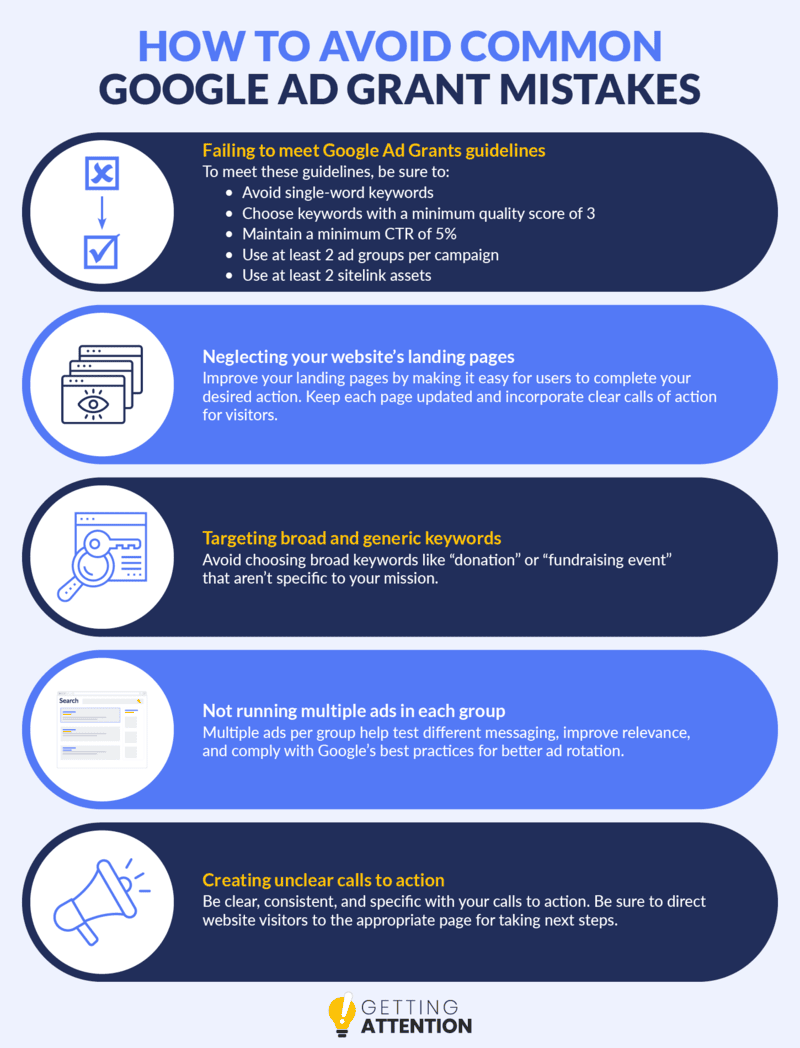
How to Get Help With Google Ads
Google Ads can help businesses reach people who are actively searching for their products and services. But setting up campaigns, choosing keywords, managing a budget, and understanding performance reports can take time. Whether you manage ads yourself or work with a professional, knowing where to get help can make your campaigns easier to manage and improve.
Start With Your Advertising Goals
Before changing a campaign, decide what you want it to accomplish. Common goals include increasing website visits, generating phone calls, receiving quote requests, or bringing more customers to a local business. A clear goal helps guide decisions about campaign type, budget, keywords, and ad content.
For example, an auto dealership might want to promote a specific service, attract inquiries about its inventory, or help more local customers find its location. Each objective may call for a different campaign approach and a different way to measure results.
Use Google’s Built-In Help Resources
Google provides resources to help advertisers understand the platform, troubleshoot account issues, and learn about campaign features. The Google Ads Help Center includes guidance on topics such as billing, campaign setup, keywords, conversion measurement, and advertising policies. Inside an account, recommendations and notifications may also flag issues or suggest potential changes.
Before applying a recommendation, review whether it fits your business goals and budget. Automated suggestions can be useful, but they do not replace informed decisions about your customers, services, or local market.
Check the Basics Before Making Changes
If a campaign is not performing as expected, start with a few practical checks:
- Review the campaign status: Look for paused campaigns, disapproved ads, limited budgets, or billing problems.
- Check the targeting: Make sure the selected locations, languages, and audiences match the customers you want to reach.
- Review keywords and search terms: Confirm that your ads are appearing for relevant searches and consider excluding searches that are unrelated to your business.
- Inspect the landing page: Make sure it loads properly, works on mobile devices, and clearly explains what customers should do next.
- Confirm conversion tracking: Check that important actions, such as calls or form submissions, are being measured correctly.
- Compare results over time: Use a meaningful date range and account for seasonal changes before judging performance.
Understand Google Ads Policies
Ads and landing pages must follow Google’s advertising policies. If an ad is disapproved or restricted, review the notice in the account and consult the relevant policy information. Make sure claims are accurate, business details are clear, and the destination page supports the offer described in the ad.
Businesses in regulated or policy-sensitive categories should take extra care to confirm that their ads, targeting, and website content meet current requirements. Policies can change, so it is best to check Google’s latest guidance rather than relying on old advice.
When to Get Professional Help
Outside help may be useful if campaigns are complex, tracking is unclear, costs are rising without results, or the business does not have time to manage the account. A qualified Google Ads professional can review account structure, targeting, ad messaging, landing pages, and measurement.
Before hiring someone, ask what work they will perform, how often they will report results, and whether you will retain access and ownership of the account. Request a clear explanation of fees and avoid anyone who guarantees specific rankings, leads, or sales. Advertising performance depends on many factors, including competition, budget, website experience, and customer demand.
Make Data-Informed Improvements
Effective advertising usually involves ongoing testing and refinement. Change one or a small number of factors at a time, then allow enough time and data to evaluate the results. Track metrics connected to your goals—not just clicks. A campaign that receives many clicks may still need improvement if those visitors do not call, submit a form, or take another meaningful action.
Get the Right Help for Your Business
Getting help with Google Ads starts with understanding your goals and identifying the specific challenge you need to solve. Use Google’s official resources for platform and policy questions, review your campaign data carefully, and consider professional support when the work calls for specialized experience. With clear objectives and reliable measurement, businesses can make more informed decisions about their advertising.
Maximize Your Business Potential: 7 Advantages of Using Google Ads Support
- Reach customers actively searching for your services.
- Get help setting up campaigns and keywords.
- Improve ad targeting for your ideal audience.
- Track calls, leads, and website conversions.
- Troubleshoot billing and account issues.
- Make better use of your advertising budget.
- Get expert guidance to improve campaign results.
Addressing Common Challenges with Google Ads Support: Navigating Delays, Complexity, and Costs
- Support response times can be slow.
- Some help resources are difficult to navigate.
- Personalized support may not be available to every advertiser.
- Google Ads policies can be confusing.
- Professional help can be costly.
Reach customers actively searching for your services.
Google Ads can help your business reach customers who are actively searching online for the services you offer. By showing relevant ads alongside related search results, you can connect with potential customers at the moment they’re looking for a solution, making it easier for them to discover your business and take the next step.
Get help setting up campaigns and keywords.
Get help setting up Google Ads campaigns and choosing relevant keywords for your business. The right support can help organize campaigns around your goals, reach the customers you want to attract, and select search terms that match what people are looking for. This makes it easier to build a strong foundation and use your advertising budget thoughtfully.
Improve ad targeting for your ideal audience.
Getting help with Google Ads can make it easier to reach the people most likely to become your customers. An experienced specialist can refine your audience settings, locations, keywords, and ad schedule to better match your ideal audience’s interests and search habits. More precise targeting can reduce wasted ad spend and help your ads connect with potential customers at the right time.
Track calls, leads, and website conversions.
Tracking calls, leads, and website conversions helps you see what your Google Ads campaigns are actually accomplishing—not just how many clicks they receive. With conversion tracking in place, you can identify which ads and keywords lead to valuable actions, such as phone calls, completed forms, or purchases. These insights make it easier to understand campaign performance, focus your budget on what works, and make informed improvements over time.
Troubleshoot billing and account issues.
Getting help with Google Ads can make billing and account issues easier to resolve. A support specialist can help identify problems such as a declined payment, an unexpected charge, account access trouble, or a campaign that has stopped running. Addressing these issues promptly can reduce downtime, clarify what action is needed, and help keep advertising on track.
Make better use of your advertising budget.
Getting help with Google Ads can make better use of your advertising budget by focusing spending on the keywords, audiences, and locations most likely to bring in valuable customers. A knowledgeable professional can identify wasted spend, refine targeting, and track conversions so you can see which campaigns are delivering results. With regular monitoring and informed adjustments, your budget can work harder toward your business goals.
Get expert guidance to improve campaign results.
Get expert guidance to improve your Google Ads campaign results. A knowledgeable professional can review your targeting, keywords, ad copy, budget, and conversion tracking to identify opportunities for improvement. With recommendations tailored to your business goals, you can make more informed decisions, use your advertising budget effectively, and focus on attracting the right customers.
Support response times can be slow.
One drawback of getting help with Google Ads is that support response times can be slow, especially when an issue requires further investigation. Delays can be frustrating when a campaign is paused, billing is affected, or ads are not reaching customers. Businesses may need to rely on help articles and troubleshooting tools while they wait for a response, so it’s wise to plan for possible delays and keep records of support requests.
Some help resources are difficult to navigate.
Some Google Ads help resources can be difficult to navigate, especially for new advertisers. Information may be spread across multiple articles, menus, and support pages, making it hard to find a clear answer quickly. This can be frustrating when a campaign issue needs immediate attention or when the guidance uses unfamiliar advertising terms.
Personalized support may not be available to every advertiser.
Personalized support may not be available to every Google Ads advertiser. Access to one-on-one assistance can depend on factors such as account eligibility, advertising spend, location, or the type of issue, so some businesses may need to rely on online help articles and community resources. This can make it harder to resolve complex problems quickly or get advice tailored to a specific campaign.
Google Ads policies can be confusing.
Google Ads policies can be confusing because requirements vary by industry, ad format, and location—and they may change over time. An ad or landing page that seems acceptable may still be disapproved or restricted if it doesn’t meet a specific rule. Understanding the reason for a policy decision can take time, and repeated violations may disrupt campaigns, making it helpful to review Google’s current guidance or seek qualified support.
Professional help can be costly.
Professional help with Google Ads can be costly, especially for small businesses with limited marketing budgets. Agencies and consultants may charge setup fees, monthly management fees, or a percentage of advertising spend, and those costs are separate from the money paid to Google for ads. Before hiring help, clarify what services are included, compare providers, and make sure the expected value fits your budget.
Related Post
Facebook Marketplace Customer Service: How to Get Help With Orders, Payments, and Scams
Facebook Marketplace Customer Service: How to Get Help Facebook Marketplace connects buyers and sellers, but [...]