Management Training Courses: Essential Skills for Effective Leadership
Management Training Courses: Building Stronger Leaders and Teams
Effective management takes more than job experience. Managers need practical skills to guide employees, communicate clearly, solve problems, and help an organization meet its goals. Management training courses can help new and experienced leaders develop those skills and apply them in the workplace.
What Are Management Training Courses?
Management training courses are structured learning programs that prepare people to lead teams and oversee day-to-day operations. Depending on the course, participants may learn how to set priorities, delegate tasks, give feedback, manage performance, and make informed decisions.
Courses may be offered in person, online, or through a combination of formats. Some focus on foundational skills for first-time supervisors, while others address more advanced topics for experienced managers and business owners.
Common Topics Covered
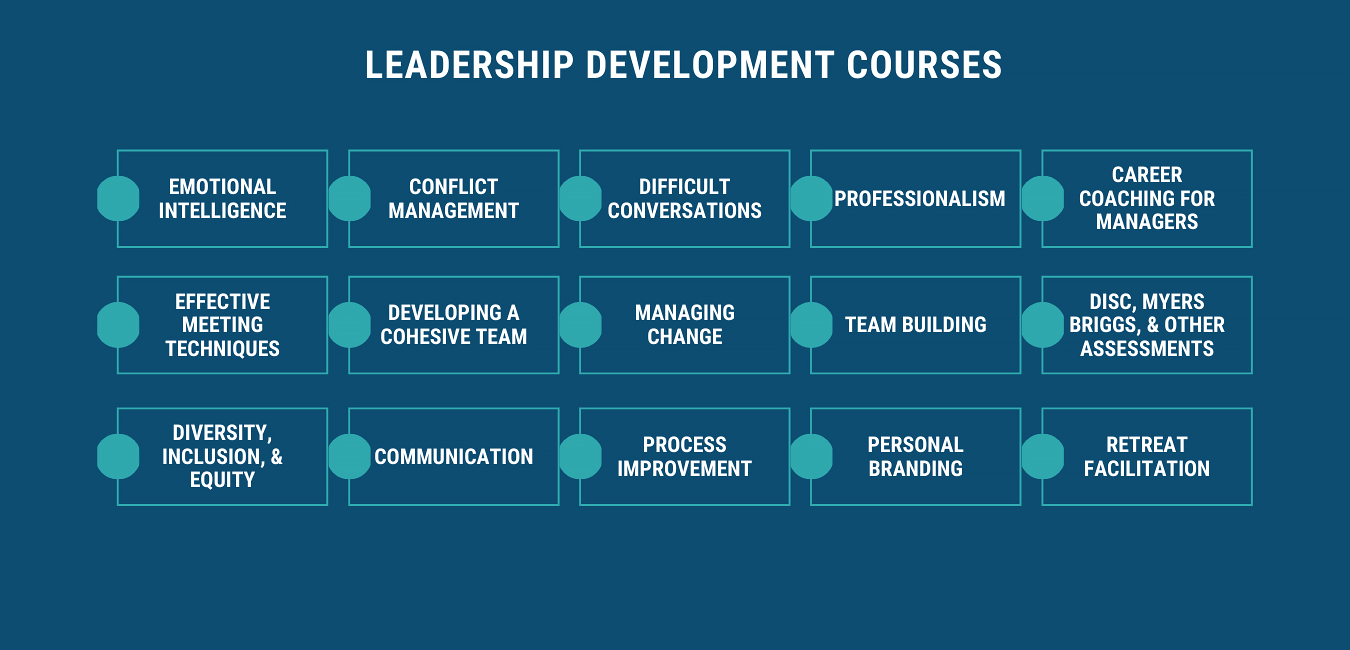
Training programs vary, but many cover skills that managers use every day, including:
- Communication: Sharing expectations, listening actively, and handling difficult conversations.
- Coaching and feedback: Supporting employee development and addressing performance concerns constructively.
- Delegation: Assigning work clearly and matching responsibilities to employees’ skills.
- Conflict resolution: Addressing disagreements fairly and helping teams move forward.
- Time and priority management: Organizing work and focusing on the most important responsibilities.
- Decision-making: Evaluating information, considering alternatives, and taking responsibility for outcomes.
- Team development: Building trust, encouraging collaboration, and recognizing contributions.
Why Management Training Matters
Managers influence both the employee experience and the quality of an organization’s work. When leaders communicate expectations and provide consistent support, employees are better equipped to understand their responsibilities and contribute to shared goals.
Training can also help organizations prepare employees for leadership roles, create more consistent management practices, and identify areas where additional support is needed. For small businesses, stronger management skills can help make everyday processes more organized and responsive.
Choosing the Right Course
The best management training course depends on the learner’s role, experience, and goals. Before enrolling, consider:
- Course content: Does it address the skills or challenges most relevant to the role?
- Format and schedule: Will the course fit around work responsibilities?
- Practical application: Does it include exercises, examples, or tools participants can use on the job?
- Experience level: Is the material designed for new supervisors, experienced managers, or business owners?
- Follow-up support: Are there opportunities to review progress or continue learning?
It can also be helpful to ask employees and supervisors which management challenges they encounter most often. Their feedback can guide training choices and make the learning experience more relevant.
Turning Training Into Better Management
Attending a course is only the first step. Managers are more likely to benefit when they set a specific goal, practice new techniques, and reflect on what works. Organizations can support this process by giving managers time to apply what they have learned and by encouraging regular feedback and continued development.
Management training courses are a practical investment in people and workplace performance. By choosing relevant training and putting new skills into practice, managers can become more confident leaders and help their teams work more effectively.
6 Essential Tips for Choosing Effective Management Training Courses
- Choose courses that match your team’s needs.
- Set clear learning goals before enrolling.
- Look for practical exercises and real-world examples.
- Check the instructor’s management experience.
- Schedule time to apply new skills at work.
- Gather feedback to measure course impact.
Choose courses that match your team’s needs.
Choose management training courses that address your team’s specific needs and challenges. Consider the skills employees want to develop, the responsibilities they handle, and any gaps identified through feedback or performance reviews. For example, a team that struggles with communication may benefit from training in active listening and conflict resolution, while new supervisors may need support with delegation and coaching. A good fit makes the training more relevant, practical, and easier to apply on the job.
Set clear learning goals before enrolling.
Before enrolling in a management training course, identify the skills or challenges you want to address. You might aim to improve delegation, handle difficult conversations more confidently, or learn to set priorities for your team. Clear learning goals make it easier to choose a course that fits your needs and help you apply what you learn at work.
Look for practical exercises and real-world examples.
Look for management training courses that include practical exercises and real-world examples. Case studies, role-playing, and workplace scenarios help turn ideas into usable skills, so you can practice handling situations such as giving feedback, resolving conflicts, or delegating tasks. Choose a course that connects its lessons to challenges you face on the job, making it easier to apply what you learn with your team.
Check the instructor’s management experience.
Before enrolling in a management training course, check the instructor’s management experience. An instructor who has led teams or handled real workplace challenges can offer practical examples and useful insights beyond theory. Look for relevant experience in your industry or with the skills you want to develop, and review the instructor’s background, credentials, and participant feedback to help determine whether the course is a good fit.
Schedule time to apply new skills at work.
Schedule time to apply new skills at work so that training becomes part of your daily management practice. After a course, choose one technique—such as giving clearer feedback, delegating a task, or leading a more focused meeting—and set a specific time to try it. Reflect on the results, ask for feedback, and adjust as needed. Regular practice helps turn new ideas into lasting habits and makes it easier to see how they support your team.
Gather feedback to measure course impact.
Gather feedback after a management training course to understand whether participants found it useful and can apply what they learned. Ask managers and their teams about changes in communication, delegation, decision-making, or other targeted skills, and compare responses with the course’s original goals. Short surveys, follow-up conversations, and performance indicators can reveal what worked well and where additional support may be needed. Checking in again after several weeks or months can show whether improvements are lasting and help guide future training.
Related Post

Mastering Success: The Power of Project Management Training
The Importance of Project Management Training Project management is a critical skill in today’s fast-paced [...]