Veterans Legal Help: Resources, Rights, and Where to Find Support
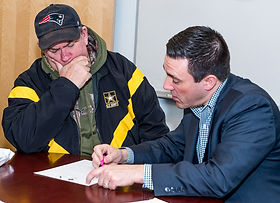
Veterans Legal Help: Where to Find Support and What to Know
Veterans may face legal issues involving VA benefits, housing, employment, family matters, debt, or interactions with the criminal justice system. Finding the right help can be difficult, especially when deadlines are involved. Fortunately, a range of organizations provide legal information, referrals, and—in some cases—free or reduced-cost representation for eligible veterans.
Common Legal Issues for Veterans
Legal needs vary, but veterans often seek help with:
- VA benefits: Disability compensation, pensions, healthcare eligibility, and appeals of VA decisions.
- Military records and discharge status: Requests to correct records or seek a discharge upgrade.
- Housing and financial concerns: Evictions, foreclosure, debt collection, bankruptcy, or access to public benefits.
- Employment: Workplace discrimination, unpaid wages, or protections related to military service and reemployment.
- Family matters: Divorce, child custody, child support, and domestic violence-related legal needs.
- Criminal justice issues: Assistance with treatment options, diversion programs, or other veteran-focused services where available.
Where to Find Legal Assistance
VA-accredited representatives
For help with VA benefits claims, look for an attorney, claims agent, or veterans service organization (VSO) representative accredited by the Department of Veterans Affairs. Accredited representatives can explain the claims process and help prepare or appeal a claim. Use the VA’s official accreditation search tool to confirm a representative’s status. Be cautious of anyone who promises a guaranteed outcome or charges fees in a way that does not comply with VA rules.
Legal aid and pro bono programs
Nonprofit legal aid organizations may offer free assistance to people who meet income or other eligibility requirements. Some law firms, bar associations, and law schools also operate pro bono clinics or programs for veterans. The Legal Services Corporation’s website can help locate civil legal aid organizations in many communities. Availability and services differ by location.
State and local veterans’ services
State and county veterans’ agencies can connect veterans with benefits counselors, service officers, and community resources. State bar associations may provide lawyer-referral services, while local veterans’ organizations may know about clinics or programs in the area.
Specialized veterans’ programs
Some nonprofit organizations focus on particular legal needs, such as discharge upgrades, veterans’ benefits appeals, housing stability, or reentry support. Veterans involved in the criminal justice system can ask local public defenders, courts, or VA facilities about Veterans Treatment Courts and VA Veterans Justice Outreach services. These programs are not available everywhere, and eligibility varies.
How to Prepare for a Legal Appointment
Good preparation can help a lawyer or legal-aid provider understand the situation quickly. Before an appointment, gather relevant documents, such as:
- DD Form 214 or other military service records
- VA decision letters, claim forms, and medical records
- Leases, court papers, bills, contracts, or collection notices
- Employment records and written communications with an employer
- A timeline of important events and any upcoming deadlines
Write down questions in advance, and ask about eligibility, costs, deadlines, and what documents are still needed. Keep copies of anything submitted and note the date and method of delivery.
Watch for Deadlines and Scams
Legal and benefits matters often have strict filing or appeal deadlines. If a decision or court notice includes a response date, do not wait to seek help. Contact a qualified legal provider promptly and verify deadlines with an official source.
Be wary of anyone who guarantees benefits, pressures you to sign immediately, asks for payment through unusual methods, or claims special access to government decision-makers. Verify credentials independently, and never share sensitive personal information unless you have confirmed that the organization is legitimate.
Getting Started
Start by identifying the type of issue and where it is being handled. For a VA benefits claim, use the VA’s official resources and accreditation search. For a civil legal issue, contact local legal aid, a state or county veterans’ office, or a bar association referral service. If a court date or deadline is approaching, make that clear when requesting assistance.
Legal services and eligibility rules vary by state and organization. This article provides general information, not legal advice. For guidance about a specific situation, consult a qualified attorney or accredited representative.
7 Tips for Veterans Seeking Legal Help
- Use a VA-accredited attorney or claims agent for VA benefits appeals.
- Check legal aid programs for free help with housing, family, or consumer issues.
- Contact your state bar association for veteran-focused legal referrals.
- Gather service records, benefit letters, and court documents before seeking help.
- Track filing deadlines and appeal dates carefully.
- Ask about fees and costs before signing a legal services agreement.
- Verify credentials and avoid anyone who guarantees a specific outcome.
Use a VA-accredited attorney or claims agent for VA benefits appeals.
For a VA benefits appeal, work with an attorney or claims agent accredited by the Department of Veterans Affairs. Accredited representatives understand VA procedures and can help review your decision, prepare evidence, and meet appeal deadlines. Before sharing personal information or signing an agreement, verify the representative’s credentials using the VA’s official accreditation search tool and ask about any fees.
Check legal aid programs for free help with housing, family, or consumer issues.
Check with local legal aid programs to see whether you qualify for free help with housing, family, or consumer issues. These organizations may assist veterans with matters such as eviction, family court, debt collection, or unfair business practices. Services and eligibility vary, so contact a program early, explain any upcoming deadlines, and have relevant documents ready.
Contact your state bar association for veteran-focused legal referrals.
Contact your state bar association to ask whether it offers legal referrals or clinics specifically for veterans. Bar associations can help connect you with attorneys who understand issues such as VA benefits, housing, employment, and family law. Ask about eligibility, fees, and any upcoming deadlines, and confirm that the attorney’s experience fits your legal needs.
Gather service records, benefit letters, and court documents before seeking help.
Before seeking veterans legal help, gather key documents so an attorney or advocate can understand your situation and offer more focused guidance. Helpful records may include your DD Form 214 or other service records, VA benefit letters and claim decisions, and any relevant court papers. Keep copies organized, note important dates or deadlines, and bring the documents to your appointment—or ask how to share them securely.
Track filing deadlines and appeal dates carefully.
Track filing deadlines and appeal dates carefully when seeking veterans legal help. VA decisions, court notices, and other legal documents may include strict time limits, and missing one can affect your options. Keep a calendar with each deadline, set reminders well in advance, and save copies of notices and proof of anything you submit. If a date is unclear, contact an accredited VA representative or qualified attorney promptly to confirm what action is needed.
Ask about fees and costs before signing a legal services agreement.
Before signing a legal services agreement, ask for a clear explanation of all fees and costs. Find out whether the provider charges an hourly rate, a flat fee, or another type of fee, and ask about expenses such as filing fees, copying, or expert services. Request the terms in writing, including when payment is due and what happens if you end the agreement. Reviewing these details upfront can help you avoid unexpected charges and make an informed decision.
Verify credentials and avoid anyone who guarantees a specific outcome.
Before choosing someone to help with a veterans’ legal matter, verify their credentials through an official source, such as the VA’s accreditation search tool for benefits claims. Be cautious of anyone who guarantees a specific outcome, pressures you to act quickly, or promises special access—no representative can guarantee how a court or government agency will decide a case.
Related Post
Maximizing Your Success: Unveiling the Exclusive Membership Benefits
The Value of Membership: Unlocking Exclusive Benefits Joining a membership organization can offer a multitude [...]
Driving Success: The Company Culture Advantage
The Importance of Company Culture in Driving Success In today’s competitive business landscape, company culture [...]