Oracle Insurance Policy Administration: An Overview for Insurers
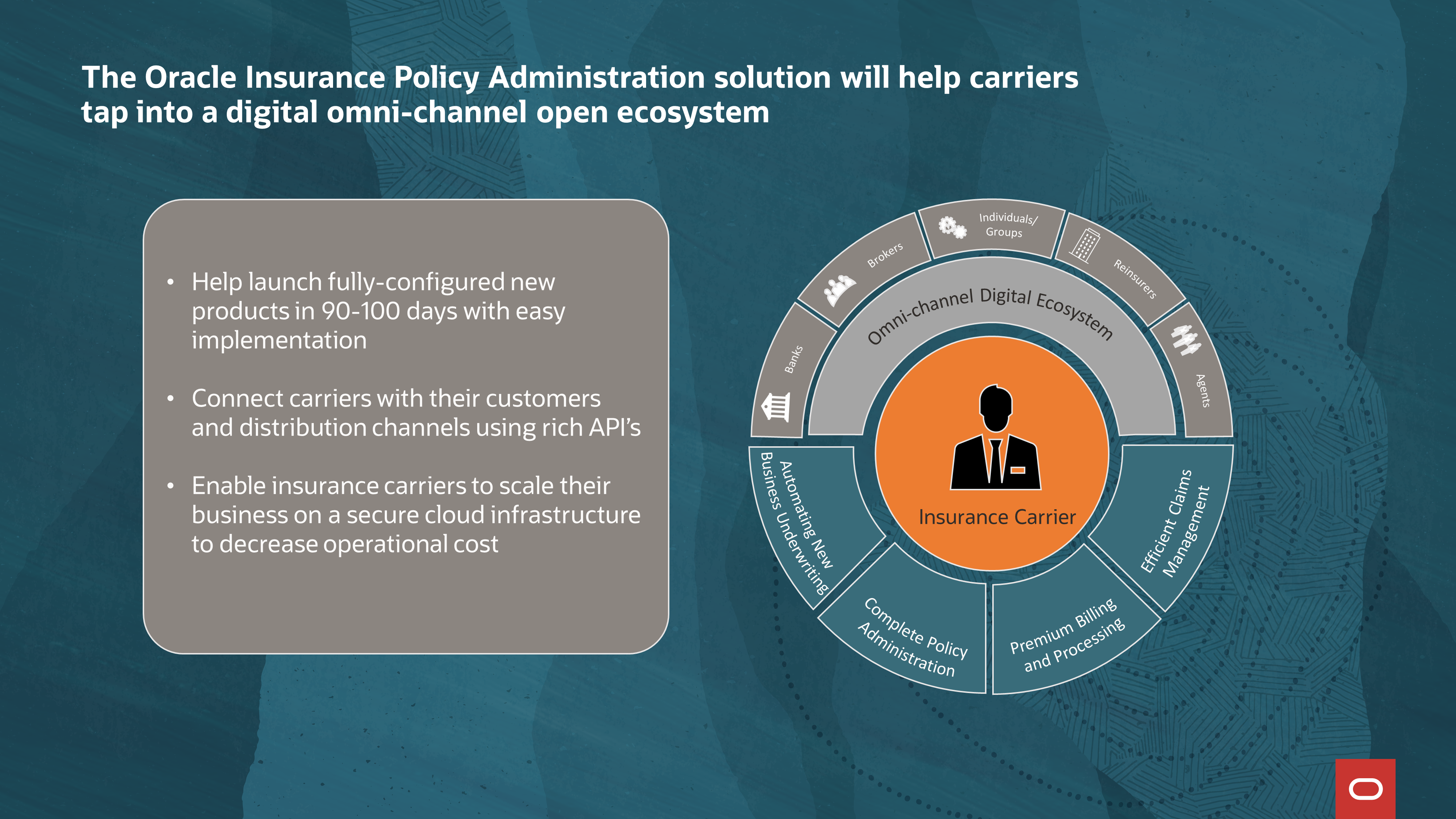
Oracle Insurance Policy Administration: An Overview for Insurers
Insurance companies rely on policy administration systems to manage the work that happens throughout a policy’s life—from setup and issuance to changes, billing-related processes, and claims-related activities. Oracle Insurance Policy Administration, commonly known as OIPA, is an enterprise platform designed to help insurers administer insurance products and policyholder records.
What Is Oracle Insurance Policy Administration?
OIPA is a policy administration system from Oracle for insurers. It is designed to support the configuration and administration of insurance products, with capabilities that can be used to manage policy transactions and business rules. Depending on an insurer’s products and implementation, the system may support processes such as new business, policy changes, renewals, and other servicing activities.
Rather than treating every product or transaction as a separate custom-built application, insurers can use configurable rules and workflows to represent business requirements within the platform. The exact capabilities available depend on the product configuration, version, integrations, and implementation.
How a Policy Administration System Helps
Policy administration systems provide a central way to manage policy information and operational processes. For an insurer, this can help:
- Maintain policy and customer information in a consistent system.
- Apply defined business rules to policy transactions.
- Support repeatable workflows for policy servicing.
- Connect policy processes with other insurance and enterprise systems.
- Improve visibility into operational activity and policy status.
These benefits are not automatic. They depend on how the system is configured, the quality of the underlying data, and how well it fits an insurer’s operating model.
Configuration, Rules, and Workflows
Insurance products can involve detailed rules for eligibility, coverage, pricing, underwriting, and policy changes. A key consideration when evaluating OIPA is how the platform’s configuration approach supports an insurer’s products and processes. Carefully designed rules and workflows can make routine changes easier to manage, while poorly planned configuration can create complexity that is difficult to maintain.
Insurers should assess how product definitions, transaction flows, approvals, and exceptions will be modeled. It is also important to establish governance for configuration changes, including testing and approval processes, so that updates do not create unintended effects across products or operations.
Integration and Data Considerations
A policy administration system rarely operates alone. It may need to exchange information with systems for claims, billing, customer relationship management, document generation, underwriting, data analytics, and regulatory reporting. Before selecting or upgrading a platform, insurers should map these connections and determine how data will move between systems.
Integration planning should address data ownership, consistency, security, error handling, and monitoring. Migrating existing policies and related records is another major consideration. A successful migration typically requires data profiling, reconciliation, testing, and a clear plan for handling incomplete or inconsistent records.
Implementation and Change Management
Implementing an enterprise policy administration platform is a significant business and technology project. It can involve product redesign, process changes, data conversion, integration development, testing, training, and operational readiness. A phased rollout may help an insurer manage risk, but the appropriate approach depends on the organization’s products, systems, and timelines.
Before implementation, insurers should define measurable goals, prioritize products and transactions, document current processes, and identify where standardization is possible. They should also involve business teams—not only technology teams—in design and testing. Clear ownership after launch is essential for maintaining product rules, resolving issues, and managing future changes.
Questions to Ask When Evaluating OIPA
- Does the platform support the products and policy transactions the organization needs?
- How will product configuration and rule changes be managed over time?
- What integrations are required, and how will they be monitored?
- What data must be migrated, and how will its accuracy be validated?
- What skills, support, and governance will be needed after implementation?
- How will the deployment approach meet the organization’s security, performance, and regulatory requirements?
Conclusion
Oracle Insurance Policy Administration is an enterprise platform that insurers can use to manage policy administration processes and configure insurance products. Its value depends on how well it fits an insurer’s requirements and how effectively it is configured, integrated, and maintained. A careful evaluation—covering products, workflows, data, integrations, implementation effort, and long-term governance—can help insurers determine whether OIPA is the right choice for their operations.
Oracle Insurance Policy Administration (OIPA): FAQs on Benefits, Features, and Uses
- What benefits do Oracle employees get?
- What does “policy administration” mean?
- What is the full form of OIPA?
- What is insurance policy administration?
- What is OIPA in Oracle?
- What are policy administration systems used for in insurance?
What benefits do Oracle employees get?
Oracle employees may be eligible for benefits such as health, dental, and vision coverage; retirement savings plans; paid time off; and wellness or employee assistance programs. Specific offerings and eligibility vary by country, role, employment status, and plan terms, so employees should consult Oracle’s current benefits materials or HR team for details. These employment benefits are separate from Oracle Insurance Policy Administration, which is a platform insurers use to manage insurance policies.
What does “policy administration” mean?
Policy administration refers to the processes and systems an insurer uses to manage an insurance policy throughout its life cycle. This can include setting up and issuing a policy, maintaining customer and coverage details, processing changes and renewals, and coordinating related activities such as billing or claims. In Oracle Insurance Policy Administration, these tasks are managed through policy records, workflows, and business rules configured to support the insurer’s products and procedures.
What is the full form of OIPA?
OIPA stands for Oracle Insurance Policy Administration. It is Oracle’s policy administration platform for insurers, designed to support the setup and management of insurance products and policy-related processes.
What is insurance policy administration?
Insurance policy administration is the management of an insurance policy throughout its lifecycle, from application and issuance to updates, renewals, and cancellation. It includes maintaining policyholder and coverage information, processing transactions, applying product rules, and coordinating related activities such as billing and claims. Insurance policy administration systems help insurers organize and automate these tasks so policies can be managed consistently and efficiently.
What is OIPA in Oracle?
OIPA, or Oracle Insurance Policy Administration, is an enterprise system that helps insurance companies configure and manage insurance products and policy-related processes. Insurers can use it to support activities such as issuing policies, processing changes, and handling renewals, depending on their configuration and implementation. It can also connect with other business systems to support broader insurance operations.
What are policy administration systems used for in insurance?
Policy administration systems are used to manage insurance policies throughout their lifecycle, from quoting and issuing coverage to processing renewals, endorsements, cancellations, and other policy changes. They help insurers maintain policyholder and coverage information, apply business rules, support customer service, and coordinate with systems for billing, claims, underwriting, and reporting. By bringing these processes together, a policy administration system can help insurers work more consistently and efficiently.
Related Post

Unlock Your Potential: Elevate Your Leadership with a Comprehensive Managers Course
The Benefits of Taking a Managers Course The Benefits of Taking a Managers Course Managers [...]
Unlocking Success: Navigating the Dynamics of Car Sales in Today’s Market
The Dynamics of Car Sales: Navigating the Modern Market The Dynamics of Car Sales: Navigating [...]