
How to Choose the Best Project Management Training Courses for Your Career
Project Management Training Courses: How to Choose the Right Program
Project management training courses help professionals plan work, coordinate teams, manage budgets, and deliver results. Whether you are preparing for your first project role or looking to strengthen your leadership skills, the right course can provide practical methods for handling projects from kickoff through completion.
What Project Management Courses Cover
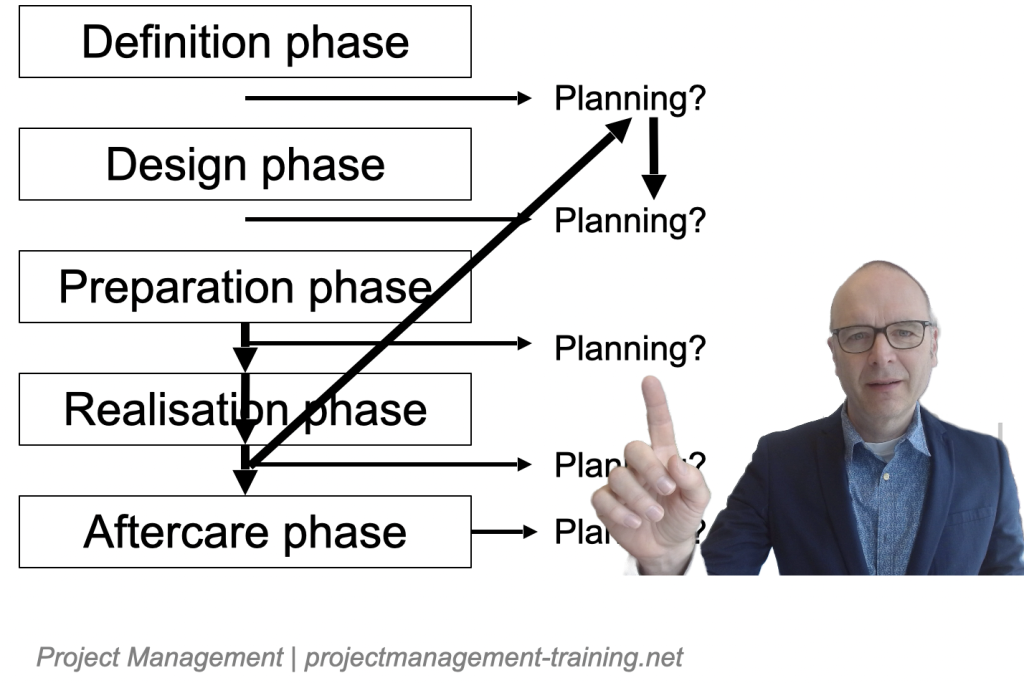
Course content varies, but many programs introduce the core stages of project work: defining goals, creating a plan, organizing resources, tracking progress, managing risks, and closing out a project. Common topics include:
- Project scope, schedules, and budgets
- Work breakdown structures and task planning
- Risk identification and response planning
- Team communication and stakeholder engagement
- Quality management and performance measurement
- Agile, predictive, and hybrid project approaches
Strong courses combine concepts with practical exercises, such as building a project schedule, assessing a case study, or practicing a project update with stakeholders.
Types of Training Programs
Project management training is available in several formats. Instructor-led classes offer direct interaction and structured discussion. Online courses provide flexibility and may include recorded lessons, live sessions, or both. Self-paced programs let learners study on their own schedule, while workshops focus on applying specific tools or methods to real-world scenarios.
Some courses are designed for beginners, while others serve experienced project managers who want to deepen their skills or prepare for a professional certification. Before enrolling, check the expected experience level and course prerequisites.
Certifications and Career Goals
Some training courses prepare participants for an industry certification. Certifications can help demonstrate knowledge to employers, but they are not a substitute for hands-on experience. Requirements differ by credential, so review the certifying organization’s current eligibility rules, exam details, and continuing education expectations before choosing a preparation course.
If certification is not your immediate goal, a practical course may be a better fit. Consider the skills you want to use in your current role, such as improving timelines, leading cross-functional teams, or communicating project risks.
How to Choose a Course
Start by identifying a specific learning goal. Then compare courses based on:
- Relevance: Does the curriculum match your industry, role, and project experience?
- Instruction: Are instructors experienced in project delivery and adult learning?
- Practice: Does the program include exercises, templates, or realistic project examples?
- Format: Can you attend the sessions and complete the work alongside your other commitments?
- Cost and support: Are materials, instructor access, and any exam preparation included?
Also look for clear course descriptions, transparent pricing, and reviews that discuss the learning experience—not just the certificate received at the end.
Getting the Most from Training
Before a course begins, identify a current project or workplace challenge that you can use as a learning example. During the program, connect the tools to that situation and ask how they might apply in practice. Afterward, choose one or two techniques to use right away, such as a risk register, a stakeholder map, or a regular status report.
A Practical Investment in Better Project Delivery
Project management training courses can help professionals bring greater structure, clarity, and consistency to their work. The best choice is not necessarily the longest or most expensive program; it is the one that fits your goals and gives you useful skills to apply. With thoughtful course selection and continued practice, project management training can support stronger teamwork and more reliable project outcomes.
Essential FAQs About Project Management Training Courses
- What topics are covered in project management training courses?
- How do I choose the right project management training course?
- Are project management courses available online?
- Do I need experience to take a project management course?
- Can project management training prepare me for certification?
- How long do project management training courses take?
What topics are covered in project management training courses?
Project management training courses typically cover the skills and processes needed to guide a project from start to finish. Topics often include defining goals and scope, creating schedules and budgets, assigning resources, managing risks, communicating with stakeholders, leading teams, monitoring progress, and evaluating results. Many courses also introduce project management approaches such as Agile, predictive, and hybrid methods, along with practical tools for planning tasks, tracking performance, and keeping projects on course.
How do I choose the right project management training course?
To choose the right project management training course, start by identifying your goals, experience level, and the skills you want to develop. Compare course content, instructor qualifications, learning format, hands-on activities, and cost. If you’re preparing for a certification, make sure the course aligns with the credential’s current requirements; otherwise, look for practical training that addresses the projects and challenges you face at work. Before enrolling, review the schedule, prerequisites, and participant feedback to confirm the program is a good fit.
Are project management courses available online?
Yes, many project management courses are available online, including self-paced programs and instructor-led classes with live virtual sessions. Online courses may cover topics such as project planning, budgeting, risk management, team leadership, and Agile methods. Before enrolling, review the course format, schedule, instructor support, hands-on exercises, and whether it prepares you for a certification or credential relevant to your goals.
Do I need experience to take a project management course?
No, you generally don’t need prior project management experience to take an introductory course. Many programs are designed for beginners and teach essential skills such as planning tasks, setting timelines, managing risks, and communicating with stakeholders. More advanced or certification-preparation courses may have experience requirements or assume familiarity with project management concepts, so check the course prerequisites before enrolling.
Can project management training prepare me for certification?
Yes. Many project management training courses are designed to help you prepare for a certification exam by reviewing key concepts, terminology, and exam-style questions. Course content and eligibility requirements vary by certification, so check that the program aligns with the credential you’re pursuing and confirm any experience or education requirements with the certifying organization.
How long do project management training courses take?
Project management training courses can take anywhere from a few hours to several months, depending on the course format, depth, and goals. Short workshops may cover a specific skill in a day, while comprehensive courses or certification preparation programs may run for several weeks or months. Self-paced online courses offer more flexibility, so completion time depends on how many hours you can devote each week. Check the course schedule and estimated study hours to choose an option that fits your needs.
Related Post
Mastering Success: The Power of Project Management Training
The Importance of Project Management Training Project management is a critical skill in today’s fast-paced [...]
Management Training Courses: Essential Skills for Effective Leadership
Management Training Courses: Building Stronger Leaders and Teams Effective management takes more than job experience. [...]