
UHC Medicare Advantage Plans: Coverage, Costs, and How to Compare Options
Understanding UnitedHealthcare Medicare Advantage Plans
UnitedHealthcare (UHC) offers Medicare Advantage plans, also known as Medicare Part C. These plans are offered by private insurers approved by Medicare and provide an alternative way to receive Medicare Part A (hospital insurance) and Part B (medical insurance) benefits. Many UnitedHealthcare plans also include prescription drug coverage, along with additional benefits that may not be part of Original Medicare.
Plan availability, costs, covered services, provider networks, and benefits vary by location and plan year. Review the details for your county and the year you need coverage before enrolling.
What Medicare Advantage Plans Cover
Medicare Advantage plans must cover the services included under Medicare Part A and Part B, except hospice care, which remains covered by Original Medicare. Plans may have different rules for accessing care, such as using a provider network or getting approval for certain services.
Many UnitedHealthcare Medicare Advantage plans include prescription drug coverage, known as Medicare Part D. Some plans may also offer extra benefits, such as routine dental, vision, or hearing services, fitness programs, transportation, or allowances for certain health-related products. These benefits are not the same in every plan and may have limits, eligibility requirements, or participating-provider rules.
Common Types of UHC Medicare Advantage Plans
- HMO plans: Generally require members to use doctors and facilities in the plan’s network, except in emergencies or other situations specified by the plan. Referrals may be required to see specialists.
- PPO plans: Usually offer coverage for both in-network and out-of-network care, though out-of-network services typically cost more. Referrals may not be required, but plan rules still apply.
- Special Needs Plans (SNPs): Designed for people who meet specific eligibility criteria, such as having certain chronic conditions, qualifying for both Medicare and Medicaid, or living in an institution. Benefits and availability depend on the plan and location.
Not every plan type is available in every area. Check the plan’s Evidence of Coverage and provider directory to understand its rules.
Costs to Consider
Medicare Advantage plans may charge a monthly plan premium, although some have a $0 plan premium. A $0 premium does not mean coverage is free: members generally still pay the Medicare Part B premium and may have copayments, coinsurance, or deductibles for covered services.
Each plan sets its own cost-sharing amounts. Medicare Advantage plans also have an annual limit on what members pay for covered Part A and Part B services. This limit does not generally include premiums, prescription drug costs, or services that the plan does not cover. Prescription drug coverage has separate cost rules.
To estimate your expenses, look beyond the monthly premium. Consider expected doctor visits, medications, specialist care, hospital services, and whether your preferred providers are in the network.
How to Compare Plans
Before choosing a UnitedHealthcare Medicare Advantage plan, compare it with other plans available where you live. Pay close attention to:
- Whether your doctors, hospitals, pharmacies, and other providers are in the network
- Whether your prescription drugs are covered and what they will cost
- Monthly premiums, deductibles, copayments, and coinsurance
- The annual out-of-pocket maximum for medical services
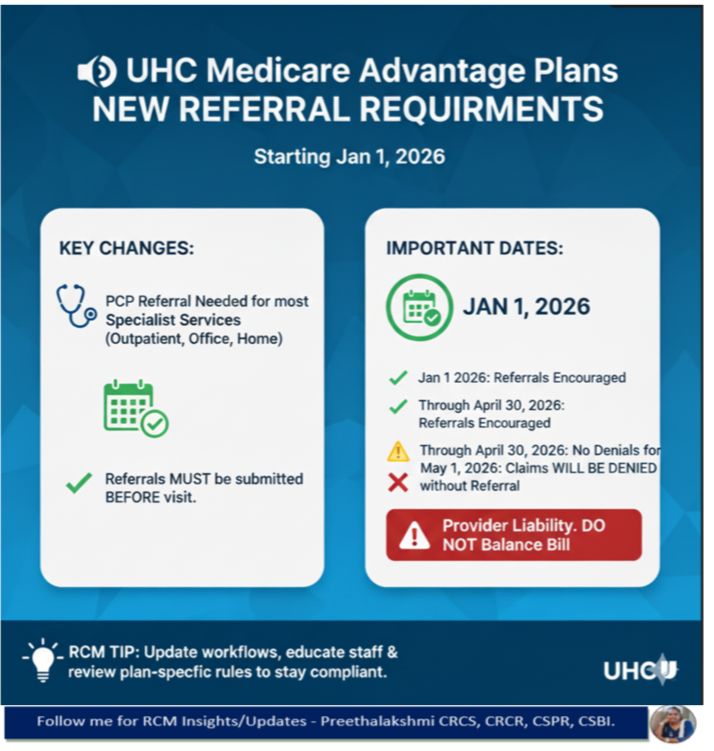
- Rules for referrals, prior authorization, and out-of-network care
- Limits and eligibility requirements for dental, vision, hearing, and other extra benefits
- How the plan handles travel or care outside its service area
Provider networks and plan benefits can change. Confirm details directly with the plan and your providers, and review the plan’s official documents each year.
Enrollment and Eligibility
In general, you can join a Medicare Advantage plan if you have Medicare Part A and Part B, live in the plan’s service area, and meet any applicable eligibility requirements. You can typically enroll or make changes during certain Medicare enrollment periods, including when you first become eligible for Medicare and during the annual Open Enrollment Period. Other enrollment opportunities may apply in specific circumstances.
Enrollment deadlines and options depend on your situation. Before switching plans, check how the change could affect your prescription coverage, doctors, costs, and any other insurance you have.
Where to Get Reliable Information
Use the Medicare Plan Finder at Medicare.gov to compare plans by ZIP code, medications, and other preferences. You can also contact UnitedHealthcare for plan-specific information or speak with a licensed insurance professional. For unbiased Medicare counseling, contact your State Health Insurance Assistance Program (SHIP).
UnitedHealthcare Medicare Advantage plans may suit people who want to receive Medicare benefits through a private plan and value features such as coordinated care or additional benefits. The right choice depends on your health needs, budget, preferred providers, medications, and location. Compare the full details of available plans before making a decision.
This article is for general informational purposes and is not a substitute for personalized insurance, medical, or financial advice. Plan terms and availability vary by location and year.
6 Key Benefits of UnitedHealthcare Medicare Advantage Plans
- Many plans include prescription drug coverage.
- Some plans offer dental, vision, and hearing benefits.
- Plan options include HMOs, PPOs, and Special Needs Plans.
- In-network care can help coordinate services.
- Plans have an annual out-of-pocket limit for covered Part A and B services.
- Some plans have a $0 monthly plan premium.
5 Drawbacks of UHC Medicare Advantage Plans
- Provider networks may limit your choice of doctors.
- Out-of-network care can cost more or be unavailable.
- Prior authorization may be required for some services.
- Extra benefits and coverage vary by location and plan.
- Costs and benefits can change each year.
Many plans include prescription drug coverage.
Many UnitedHealthcare Medicare Advantage plans include prescription drug coverage, so members may be able to get medical and prescription benefits through a single plan. This can make coverage simpler to manage and may help reduce the need for a separate Medicare Part D plan. Prescription coverage, costs, and the medications included vary by plan, so check the plan’s drug list and pharmacy network before enrolling.
Some plans offer dental, vision, and hearing benefits.
Some UnitedHealthcare Medicare Advantage plans offer dental, vision, and hearing benefits in addition to their Medicare-covered medical services. Depending on the plan, coverage may help pay for routine dental care, eye exams or eyewear, and hearing exams or hearing aids. Benefits, coverage limits, and provider networks vary, so review the plan’s details to see what’s included and whether your preferred providers participate.
Plan options include HMOs, PPOs, and Special Needs Plans.
One advantage of UnitedHealthcare Medicare Advantage plans is the variety of plan types available in many areas. Depending on your location and eligibility, you may be able to choose an HMO, a PPO, or a Special Needs Plan (SNP). HMOs typically use a network of providers, PPOs may offer more flexibility to see out-of-network providers at a higher cost, and SNPs are designed for people who meet specific health or eligibility criteria. Comparing these options can help you find coverage that better fits your care preferences and circumstances.
In-network care can help coordinate services.
In-network care through a UnitedHealthcare Medicare Advantage plan can make it easier to coordinate services among your doctors, specialists, and other providers. When providers work within the same network, they may be better able to share relevant information and follow a coordinated approach to your care. Network rules vary by plan, so check whether your providers participate and whether referrals or prior authorizations are required.
Plans have an annual out-of-pocket limit for covered Part A and B services.
One advantage of UnitedHealthcare Medicare Advantage plans is that they set an annual out-of-pocket maximum for covered Medicare Part A and Part B services. This limit can help protect you from paying unlimited costs for covered medical care during the year: once your eligible spending reaches the plan’s maximum, the plan pays 100% of covered Part A and Part B costs for the rest of the year. The limit and what counts toward it vary by plan, and premiums, prescription drug costs, and services the plan doesn’t cover generally don’t count.
Some plans have a $0 monthly plan premium.
Some UnitedHealthcare Medicare Advantage plans have a $0 monthly plan premium, which may help make coverage more affordable. However, a $0 plan premium does not mean the plan is cost-free: you generally still need to pay your Medicare Part B premium and may have deductibles, copayments, or coinsurance when you receive care. Compare the plan’s total costs and benefits to see whether it fits your budget and health needs.
Provider networks may limit your choice of doctors.
One potential drawback of UnitedHealthcare Medicare Advantage plans is that provider networks may limit your choice of doctors. Depending on the plan, you may need to use in-network providers to receive the lowest costs or have coverage, and seeing an out-of-network doctor could cost more or may not be covered except in certain situations. Before enrolling, check that your preferred doctors, hospitals, and specialists are included in the plan’s network.
Out-of-network care can cost more or be unavailable.
Out-of-network care can be a drawback of UnitedHealthcare Medicare Advantage plans, especially for members who want flexibility in choosing providers. Depending on the plan, seeing an out-of-network doctor or facility may cost more, require prior approval, or not be covered except in emergencies and other qualifying situations. Before enrolling, check the plan’s provider directory and confirm that your preferred doctors, hospitals, and specialists are in network.
Prior authorization may be required for some services.
One potential drawback of UnitedHealthcare Medicare Advantage plans is that some services may require prior authorization, meaning the plan must approve care before it is provided. This can add paperwork and delay treatment while the request is reviewed. Authorization rules vary by plan and service, so members should check their coverage documents and ask their provider whether approval is needed before scheduling care.
Extra benefits and coverage vary by location and plan.
One drawback of UnitedHealthcare Medicare Advantage plans is that extra benefits and coverage can vary significantly by location and plan. Dental, vision, hearing, transportation, and other supplemental benefits may be available in one area but limited or unavailable in another, and each plan can set its own coverage rules, provider networks, and spending limits. As a result, benefits advertised generally may not match what’s offered in a specific plan, so it’s important to review the plan’s coverage details for your ZIP code before enrolling.
Costs and benefits can change each year.
One potential drawback of UnitedHealthcare Medicare Advantage plans is that costs and benefits can change each year. Monthly premiums, copayments, provider networks, prescription drug coverage, and extra benefits may be different when a plan renews. Members should review the annual notice of changes and updated plan documents carefully to see whether their doctors, medications, and expected costs are still covered before deciding to stay enrolled.
Related Post

Mastering the Art of Data Analytics: A Guide to Business Success
The Power of Analytics in Business The Power of Analytics in Business Analytics has become [...]
The Vibrant Tapestry of New Yorkers: Embracing Diversity and Resilience in the Big Apple
New Yorkers: A Diverse and Dynamic Community New Yorkers: A Diverse and Dynamic Community New [...]