Finance Course: Build Skills for Smarter Money Decisions
How a Finance Course Can Help You Build Practical Money Skills
A finance course can help you understand how money works and make more informed decisions in your personal life or career. Whether you want to manage a household budget, explore a business role, or strengthen your professional skills, studying finance can give you a useful foundation in planning, evaluating choices, and understanding financial information.
What Does a Finance Course Cover?
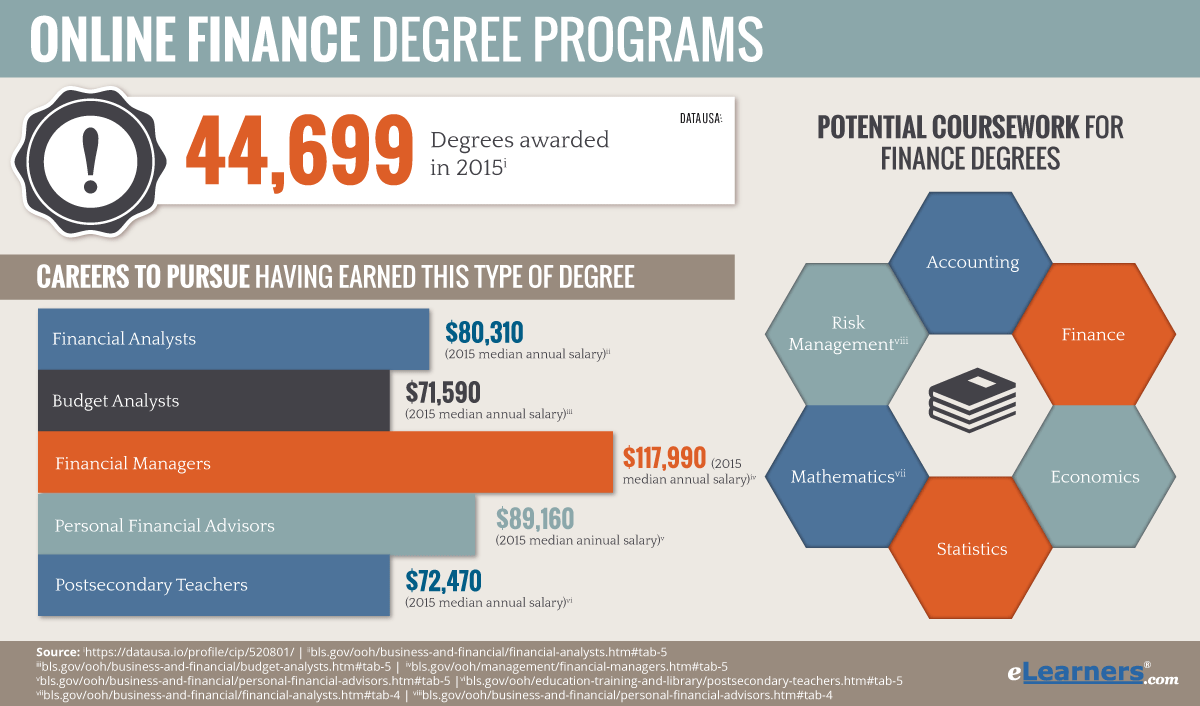
Course content varies by level and focus. An introductory finance course may cover everyday money management and basic financial concepts, while an advanced program may focus on corporate finance, investing, or financial analysis. Common topics include:
- Budgeting and cash flow: Tracking income and expenses and planning for future needs.
- Saving and investing: Understanding common investment options, risk, and long-term goals.
- Credit and borrowing: Learning how interest, loans, and credit scores work.
- Financial statements: Reading documents such as income statements, balance sheets, and cash flow statements.
- Business finance: Exploring how organizations make funding, spending, and investment decisions.
- Financial planning: Setting goals and considering how to prepare for major expenses and life changes.
Benefits of Taking a Finance Course
Financial knowledge can support better decision-making. A course may help you compare borrowing options, make a realistic budget, understand the basics of investing, or communicate more confidently about financial matters. In a workplace, finance skills can also be valuable in roles that involve budgets, business operations, sales, management, or planning.
Many courses include practical exercises, case studies, or projects. Applying concepts to realistic situations can make unfamiliar terms easier to understand and help you see how financial decisions affect people and organizations.
How to Choose the Right Course
Start by deciding what you want to learn. If your goal is to manage personal finances, look for a course that covers budgeting, saving, credit, and financial planning. If you are developing career skills, consider programs that include accounting fundamentals, financial analysis, or corporate finance.
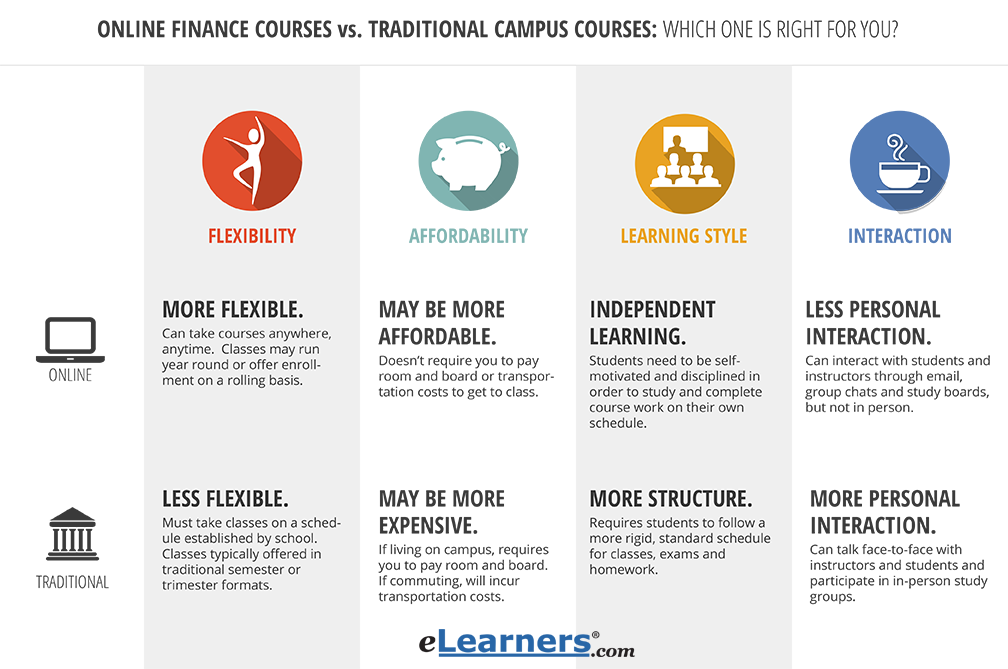
Before enrolling, review the course description, prerequisites, format, schedule, and total cost. Check whether the program offers instructor support, hands-on assignments, or a certificate. A beginner-friendly course should explain key ideas clearly and build knowledge step by step. More advanced courses may require prior experience with accounting, economics, or spreadsheets.
Who Can Benefit?
A finance course can be useful for students, business owners, professionals, and anyone who wants to feel more confident making financial decisions. You do not necessarily need a finance background to begin. Many introductory courses are designed for learners who are new to the subject.
Getting Started
Choose a course that matches your goals, experience, and available time. As you learn, connect the material to real situations—such as reviewing a budget, comparing loan terms, or examining a business’s financial statements. Consistent practice can help turn financial concepts into skills you can use.
With the right course and a clear learning goal, finance education can provide practical knowledge for everyday decisions and future opportunities.
Top Questions Answered: Choosing the Right Finance Course
- Which is the best course for finance?
- Is a 2 year finance degree worth it?
- What is in a finance course?
- Which course is best in finance?
- What is the best finance course to take?
Which is the best course for finance?
The best finance course depends on your goals and experience. If you’re new to the subject, choose an introductory course covering budgeting, accounting basics, and financial principles. For a career in corporate finance, investing, or financial analysis, look for a program with relevant advanced topics, practical projects, and instruction from qualified professionals. Compare the curriculum, cost, schedule, prerequisites, and any recognized certificate, then choose the course that best fits the skills you want to build.
Is a 2 year finance degree worth it?
A 2-year finance degree can be worth it if its cost, curriculum, and career outcomes align with your goals. It may provide foundational skills in accounting, budgeting, banking, and financial services, and can prepare you for some entry-level roles or help you transfer credits toward a bachelor’s degree. Before enrolling, compare tuition and fees, accreditation, internship and job-placement support, transfer options, and local employer requirements. If the positions you’re targeting typically require a bachelor’s degree, a 2-year program may be most valuable as an affordable first step rather than a complete credential.
What is in a finance course?
A finance course typically covers the fundamentals of managing and evaluating money. Depending on the level and focus, topics may include budgeting, saving, credit and borrowing, interest rates, investing, financial planning, and risk management. Business-focused courses may also teach students to read financial statements, analyze cash flow, and understand how organizations make financing and investment decisions.
Which course is best in finance?
The best finance course depends on your goals and experience. If you’re new to the subject, start with a fundamentals course covering budgeting, accounting, financial statements, and the time value of money. For a career in corporate finance, look for courses in financial modeling, valuation, and analysis; for investing, consider portfolio management and investment principles. Compare the syllabus, instructor qualifications, hands-on projects, schedule, and cost, and choose a course that fits your needs rather than relying on its title alone.
What is the best finance course to take?
The best finance course to take depends on your goals and experience. If you’re new to the subject, choose an introductory course covering budgeting, credit, saving, and investing. For career development, look for training in areas such as corporate finance, financial analysis, accounting, or financial planning. Compare course topics, prerequisites, format, cost, and instructor support, and choose one that fits your needs and schedule.
Related Post
Unlocking Opportunities: Master Your Financial Future with Online Finance Courses
Exploring the Benefits of Online Finance Courses Exploring the Benefits of Online Finance Courses In [...]
Mastering Financial Modeling: Elevate Your Skills with a Comprehensive Financial Modeling Course
The Importance of Taking a Financial Modeling Course Financial modeling is a crucial skill in [...]