How a Business Communication Course Can Strengthen Your Workplace Skills
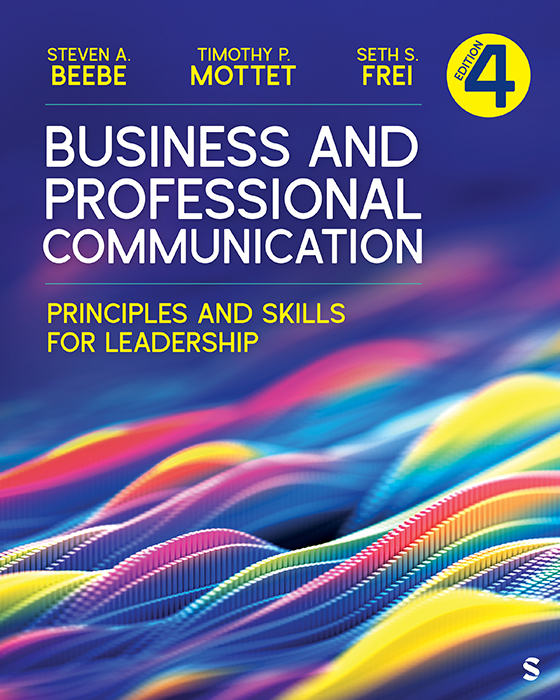
Business Communication Courses: Building Skills for Workplace Success
Clear communication is essential in nearly every business role. Whether you are writing an email, leading a meeting, presenting a proposal, or working through a disagreement, the way you communicate can shape decisions and professional relationships. A business communication course helps learners develop practical skills for sharing information effectively in the workplace.
What Is a Business Communication Course?
A business communication course teaches strategies for communicating in professional settings. Courses may be designed for students, new employees, managers, entrepreneurs, or experienced professionals who want to strengthen specific skills. They are offered through colleges, professional training organizations, online learning platforms, and employers.
Course formats vary. Some focus on written communication, while others cover speaking, presentations, teamwork, or digital communication. Many combine instruction with practice, giving participants opportunities to draft, present, revise, and receive feedback.
Skills You May Learn
Most courses cover a range of communication skills that can be applied across industries. Common topics include:
- Professional writing: Creating clear emails, reports, proposals, and other business documents.
- Presentations: Organizing ideas, speaking with confidence, and adapting a presentation to an audience.
- Active listening: Paying attention, asking useful questions, and confirming understanding.
- Interpersonal communication: Building productive working relationships with colleagues, clients, and partners.
- Meetings and collaboration: Sharing ideas, contributing constructively, and helping groups stay focused.
- Cross-cultural communication: Recognizing how expectations and communication styles can vary across people and workplaces.
- Conflict resolution: Addressing disagreements respectfully and working toward practical solutions.
- Digital communication: Choosing the right tone and format for email, messaging platforms, video calls, and other tools.
Why These Skills Matter
Strong communication can help teams coordinate work, reduce misunderstandings, and make decisions more efficiently. It can also help professionals explain their ideas, respond to feedback, and build trust with customers and coworkers.
For managers and team leaders, communication skills are especially important. Setting expectations, giving feedback, and explaining changes all require clarity and consideration. For early-career professionals, the ability to write and speak professionally can make it easier to contribute and take on new responsibilities.
A course cannot replace experience, but structured practice can help learners identify habits to improve and build confidence before applying new skills on the job.
How to Choose the Right Course
Before enrolling, consider your goals and the situations you want to handle more effectively. Someone who writes reports regularly may benefit from a course focused on business writing, while a team leader may prefer training in presentations, feedback, or conflict resolution.
Review the course description for details about:
- The intended audience and recommended experience level
- The topics and skills covered
- Whether the course includes exercises, feedback, or real-world projects
- The schedule, format, and expected time commitment
- Instructor qualifications and participant reviews, when available
- Any certificate or continuing education credit offered
Choose a format that fits your schedule and learning preferences. Online courses can offer flexibility, while live classes may provide more opportunities for discussion and immediate feedback. Some programs combine both approaches.
Putting Communication Skills Into Practice
The value of a business communication course comes from applying what you learn. Start by choosing one or two techniques to use consistently. For example, make email requests more specific, summarize next steps after meetings, or ask a clarifying question before responding to a concern.
It can also help to request feedback from a trusted colleague or supervisor. Notice which approaches make conversations more productive, and adjust your style to suit the audience and situation.
Build a Stronger Foundation for Work
A business communication course can provide practical tools for writing, speaking, listening, and collaborating more effectively. By choosing training that matches your goals and practicing the skills regularly, you can communicate with greater clarity and contribute more confidently in the workplace.
5 Essential Tips for Mastering Business Communication Skills
- Practice writing clear, concise emails.
- Listen actively during discussions.
- Use a professional tone and appropriate language.
- Organize presentations around key points.
- Ask for feedback and apply it.
Practice writing clear, concise emails.
Practice writing clear, concise emails by stating your purpose early, using plain language, and keeping each message focused on its main point. Organize details into short paragraphs or bullets, include any action needed and its deadline, and use a specific subject line. Before sending, reread the email to remove unnecessary wording and make sure the tone is professional and courteous.
Listen actively during discussions.
Active listening is an essential skill in any business communication course. During discussions, give the speaker your full attention, avoid interrupting, and ask thoughtful questions to clarify key points. Summarizing what you heard before responding can help prevent misunderstandings and show colleagues that their ideas are valued. These habits make conversations more productive and support stronger working relationships.
Use a professional tone and appropriate language.
Use a professional tone and appropriate language in every business interaction, whether you’re writing an email, participating in a meeting, or speaking with a client. Choose clear, respectful wording, avoid slang and overly casual expressions, and adapt your style to the audience and situation. A professional tone helps build trust, prevent misunderstandings, and make your message more effective.
Organize presentations around key points.
Organizing a presentation around a few key points helps your audience follow your message and remember what matters most. Start by stating your main idea, then arrange two or three supporting points in a logical order, using clear transitions to connect them. Keep examples and details focused on those points, and finish with a brief summary or specific next step. This structure makes your presentation easier to understand, more persuasive, and less likely to overwhelm listeners.
Ask for feedback and apply it.
Ask for feedback throughout your business communication course, and use it to improve your skills. Instructor and peer comments can help you spot unclear wording, strengthen presentations, and adjust your tone for different audiences. Rather than taking feedback personally, treat it as useful guidance: identify one or two specific changes to make, practice them, and ask for feedback again to see whether your communication has improved.
Related Post

Exploring the World of Finance: Enhance Your Skills with Coursera Finance Courses
Coursera Finance Courses The Power of Coursera Finance Courses When it comes to advancing your [...]