Vehicles and Cars: Choosing the Right Ride for Your Needs
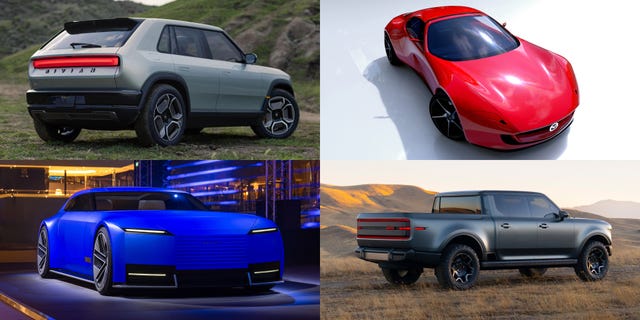
Vehicles and Cars: A Guide to Modern Transportation
Vehicles play an important role in everyday life, helping people travel to work, run errands, transport goods, and explore new places. Among the many types of vehicles available, cars remain one of the most popular choices because they offer convenience, flexibility, and a wide range of options for different needs and budgets.
What Is a Vehicle?
A vehicle is a means of transportation designed to carry people or cargo. The term includes cars, trucks, motorcycles, buses, vans, and many other forms of transport. Cars are a specific type of road vehicle, generally designed to carry a small number of passengers.
Types of Cars
Cars come in many shapes and sizes. Sedans are often chosen for everyday driving, while hatchbacks offer flexible cargo space in a compact design. SUVs provide additional room and a higher seating position, and pickup trucks are built to carry equipment or heavier loads. Minivans and larger vans can be practical options for families and businesses that need extra passenger or cargo capacity.
Drivers can also choose from different powertrains. Gas-powered cars remain common, while hybrid vehicles combine a gasoline engine with an electric motor. Plug-in hybrids can be charged from an external power source, and fully electric cars run on electricity stored in a battery.
Choosing the Right Car
The right car depends on how it will be used. Before buying, consider passenger and cargo needs, typical driving distances, parking, weather, fuel or charging access, and ongoing expenses. The purchase price is only one part of the cost of ownership; insurance, maintenance, repairs, fuel, electricity, and registration may also affect a vehicle’s overall cost.
It can help to compare several models, review their features, and take a test drive. Buyers considering a used car may also want to review its history and arrange an independent inspection. For any vehicle, understanding the warranty and maintenance schedule can help avoid surprises.
Safety and Maintenance
Safe driving starts with attentive behavior, appropriate speed, and properly used seat belts. Many newer vehicles include driver-assistance features such as automatic emergency braking, lane-departure warnings, or blind-spot monitoring. These technologies can support drivers, but they do not replace careful driving.
Regular maintenance helps keep a car in good working order. Common tasks include checking tire pressure, inspecting brakes, replacing worn wiper blades, and following the manufacturer’s service recommendations. Drivers should also pay attention to warning lights and unusual sounds or changes in how the vehicle handles.
The Future of Cars
Automotive technology continues to evolve. Electric vehicles, improved battery systems, connected features, and advanced safety technologies are changing how people choose and use cars. As these options develop, drivers have more ways to match a vehicle to their travel habits, budget, and priorities.
Whether choosing a compact car for city trips, an SUV for family travel, or an electric vehicle for daily commuting, the best choice is one that fits the driver’s needs and can be operated safely and responsibly.
6 Benefits of Cars: Convenience, Comfort, Flexibility, and Safety
- Cars offer convenient transportation.
- They make commuting easier.
- Cars provide flexibility for travel.
- Many models offer comfortable seating.
- Vehicles help transport groceries and supplies.
- Modern cars include useful safety features.
5 Drawbacks of Cars: High Costs, Emissions, Traffic, Limited Parking, and Accident Risks
- Cars can be expensive to buy and maintain.
- Gas-powered cars create emissions.
- Traffic congestion can make trips stressful.
- Parking is limited in many areas.
- Accidents can cause serious injuries.
Cars offer convenient transportation.
Cars offer convenient transportation by giving people the freedom to travel on their own schedules and choose their routes. They make it easier to commute to work, run errands, visit family, and reach places that may not be served by public transportation. With room for passengers, groceries, luggage, or other belongings, a car can also make everyday trips more comfortable and practical.
They make commuting easier.
Cars can make commuting easier by giving people a convenient way to travel between home and work. They allow drivers to choose their departure time and route, carry work supplies or personal belongings, and reach places that may not be well served by public transportation. For many commuters, a car also offers more comfort and flexibility, especially when traveling long distances or juggling errands and family responsibilities.
Cars provide flexibility for travel.
Cars provide flexibility for travel by letting people choose when to leave, where to go, and which route to take. Unlike fixed public transportation schedules, a car can make it easier to handle errands, reach destinations outside transit routes, and adjust plans along the way. This convenience can be especially helpful for families, commuters, and travelers carrying luggage or other belongings.
Many models offer comfortable seating.
Many car models offer comfortable seating, making everyday commutes and longer road trips more pleasant. Supportive seats, adjustable positions, generous legroom, and features such as heating or ventilation can help drivers and passengers relax on the road. Comfort varies by vehicle, so it’s worth trying the seats before choosing a car.
Vehicles help transport groceries and supplies.
Cars and other vehicles make it easier to transport groceries, household goods, and other supplies. Their storage space lets people carry multiple bags or bulky items in one trip, reducing the time and effort needed to bring essentials home. This convenience can be especially helpful for families, people with limited mobility, and anyone traveling long distances to shop.
Modern cars include useful safety features.
Modern cars include useful safety features that can help protect drivers and passengers on the road. Depending on the model, features such as automatic emergency braking, blind-spot monitoring, lane-departure warnings, backup cameras, and adaptive cruise control can alert drivers to potential hazards or help them respond. These technologies are designed to support safe driving, though attentive driving and seat belt use remain essential.
Cars can be expensive to buy and maintain.
Cars can be expensive to buy and maintain. Beyond the purchase price, owners may need to budget for insurance, fuel or electricity, registration, regular service, and unexpected repairs. Costs can vary by vehicle type, age, and condition, so comparing total ownership expenses—not just the sticker price—can help buyers make a choice that fits their budget.
Gas-powered cars create emissions.
Gas-powered cars produce emissions when they burn gasoline, releasing carbon dioxide and other pollutants into the air. These emissions contribute to climate change and can worsen local air quality, affecting people’s health and the environment. The amount produced varies by vehicle, driving conditions, and maintenance, but reducing unnecessary trips, keeping a car well maintained, or choosing a lower-emission vehicle can help limit the impact.
Traffic congestion can make trips stressful.
Traffic congestion can make car trips stressful, especially when heavy traffic leads to delays, stop-and-go driving, and uncertainty about arrival times. Long commutes may leave drivers feeling frustrated and tired, while frequent braking and idling can increase fuel use. Planning around busy travel times or considering public transportation, carpooling, or walking for shorter trips may help reduce the strain.
Parking is limited in many areas.
Parking is limited in many areas, making car ownership inconvenient for drivers who live or work in crowded cities. Finding an open space can take time, while parking fees, permits, and restrictions can add to the cost of driving. Limited parking may also lead to congestion as drivers circle blocks searching for a spot.
Accidents can cause serious injuries.
Car accidents can cause serious injuries, including broken bones, head trauma, and damage to the neck or spine. Even with modern safety features, collisions may put drivers, passengers, cyclists, and pedestrians at risk. Careful driving, wearing seat belts, and following traffic laws can help reduce the likelihood and severity of injuries, but accidents remain an important drawback of vehicle use.
Related Post

Exploring the Best of The New York State
The New York Experience The New York Experience New York, the iconic state known as [...]