Compliance Certification: A Practical Guide for Dealerships
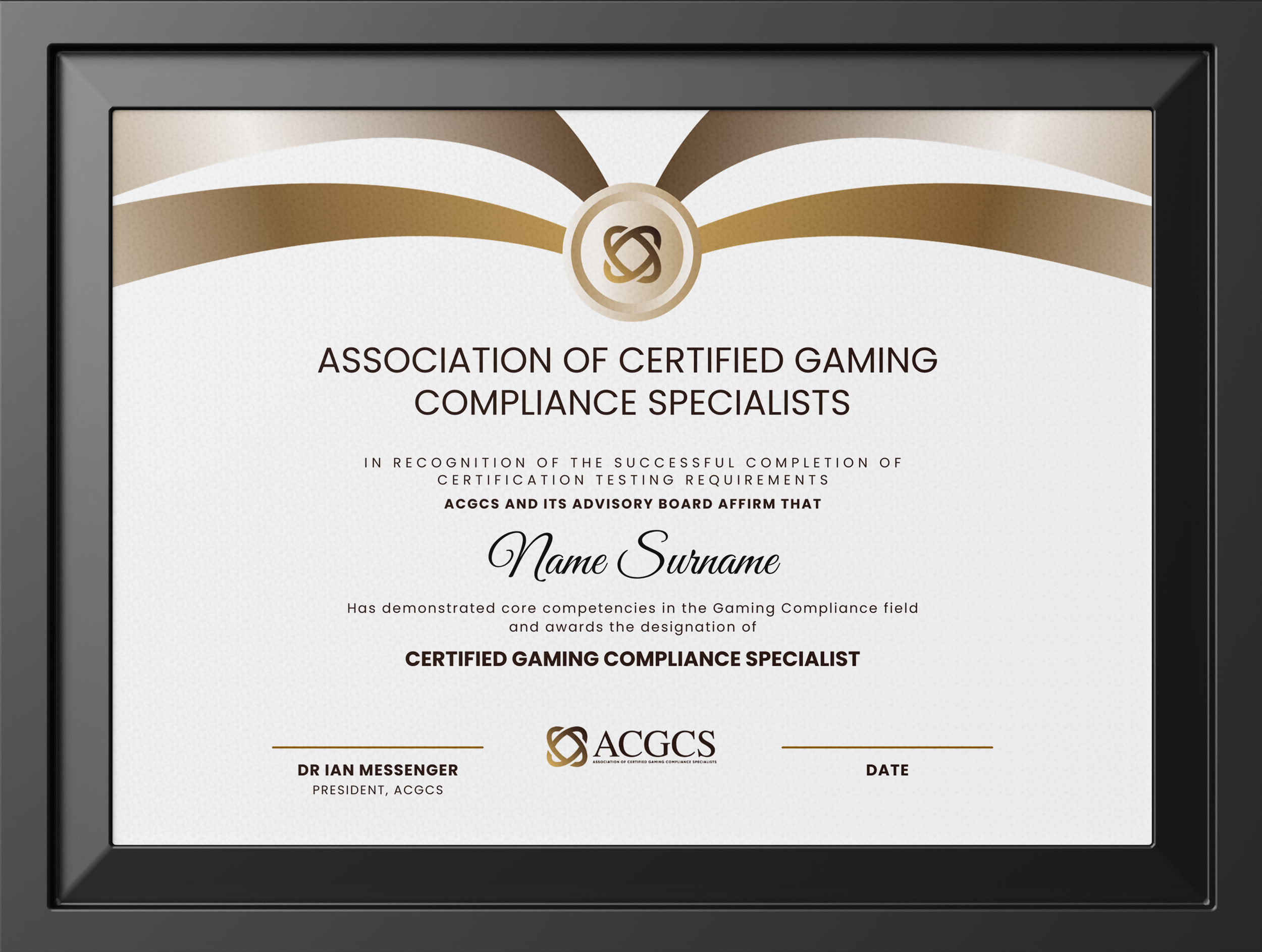
Compliance Certification: Building a Stronger Foundation for Dealerships
For an automobile dealership, compliance is more than a set of forms to complete. It is an ongoing process of understanding applicable requirements, training employees, maintaining accurate records, and reviewing business practices. Compliance certification can help dealers and their staff build that foundation—but it should be understood as one part of a broader compliance program.
What Is Compliance Certification?
Compliance certification generally means that an individual has completed a defined course, assessment, or training program covering relevant laws, regulations, or industry practices. Depending on the program, certification may help demonstrate that a participant has received instruction in areas such as sales disclosures, advertising, customer information, financing, and recordkeeping.
Certification does not automatically mean that a dealership is approved by a government agency, nor does it guarantee that every transaction or business practice is compliant. Dealers should review what a particular certificate covers, who issues it, how current the material is, and whether it meets any specific legal or business requirements.
Why Compliance Matters to Dealers
Automotive retailers work within a complex regulatory environment. Federal, New York State, and local requirements may apply to a dealership’s licensing, vehicle sales, advertising, financing, customer data, and business records. Rules can change, and requirements may vary depending on the transaction and the dealership’s operations.
A practical compliance program can help a dealership:
- Reduce avoidable errors in sales and administrative processes.
- Help employees understand their responsibilities.
- Maintain consistent and complete transaction records.
- Identify risks before they lead to complaints, disputes, or enforcement action.
- Build customer confidence through clear, accurate communication.
Key Topics for Dealership Training
The subjects included in a compliance training or certification program should reflect the dealership’s activities and the duties of each employee. Common areas to consider include:
- Licensing and dealership records: Maintaining required licenses, registrations, and business documentation, and following applicable recordkeeping rules.
- Vehicle disclosures: Completing required disclosures accurately and providing documents such as the FTC Used Car Buyers Guide when applicable.
- Advertising and sales representations: Ensuring that pricing, vehicle condition, availability, warranties, and other claims are clear and accurate.
- Odometer and title documentation: Handling mileage statements, title documents, and related records as required.
- Financing and credit practices: Understanding the dealership’s responsibilities when arranging or discussing financing, including applicable disclosure and fair-lending requirements.
- Customer information security: Protecting sensitive information and following applicable privacy and data-security obligations.
- Complaint handling: Establishing a consistent process for documenting, escalating, and addressing customer concerns.
These examples are not a complete list of legal obligations. Dealers should confirm which requirements apply to their businesses and consult qualified legal or compliance professionals when necessary.
Making Certification Part of an Ongoing Program
A certificate is most useful when it supports day-to-day practices. Dealership leaders can strengthen their compliance efforts by assigning training based on job responsibilities, providing refreshers when rules or processes change, and keeping records of employee participation. Written procedures, document reviews, and periodic internal checks can also help identify areas that need attention.
When evaluating a certification program, consider whether its content is current, relevant to New York dealerships, and clear about the limits of the credential. Ask how often the material is updated and whether participants receive practical guidance they can apply to their work.
Compliance Is a Shared Responsibility
Dealership owners and managers set expectations, but compliance depends on consistent actions across the organization. Sales staff, finance personnel, title clerks, and other employees all play a role in following established procedures and raising questions when something is unclear.
Compliance certification can provide useful education and a common starting point for that effort. Combined with current policies, careful recordkeeping, and ongoing review, it can help a dealership create a more informed team and a stronger culture of responsibility.
This article is for general informational purposes only and is not legal advice. Requirements may change and may vary based on a dealership’s activities. Consult current official guidance or qualified counsel for advice about a specific situation.
Compliance Certification: 9 Frequently Asked Questions
- What is compliance certification?
- Why is compliance certification important for a business?
- Which industries require compliance certification?
- What topics are typically covered in compliance certification training?
- How do I choose the right compliance certification program?
- How long does it take to earn a compliance certification?
- How much does compliance certification cost?
- How often do compliance certifications need to be renewed?
- Does earning a compliance certification guarantee that a business is compliant?
What is compliance certification?
Compliance certification is a credential or documented confirmation that an individual or organization has completed training, an assessment, or a review covering specified laws, regulations, standards, or procedures. What it demonstrates depends on the program and the organization issuing it, so it’s important to check its scope and requirements. Certification can support a broader compliance program, but it does not necessarily guarantee that a business meets every applicable legal requirement.
Why is compliance certification important for a business?
Compliance certification is important because it helps a business show that it understands and follows relevant laws, regulations, and industry standards. The certification process can also highlight gaps in policies or employee training, reduce the risk of costly mistakes and penalties, and build trust with customers, partners, and regulators. Certification alone does not guarantee compliance, so businesses should support it with up-to-date procedures, regular training, and ongoing reviews.
Which industries require compliance certification?
Compliance certification requirements vary by industry, location, and the work being performed. Industries such as healthcare, financial services, automotive sales, construction, manufacturing, transportation, and food handling may require specific licenses, training, or certifications under applicable laws or industry standards. In other fields, certification may be voluntary or required by an employer, client, or contract rather than by law. Check the rules that apply to your role and jurisdiction, and confirm that any certification program is recognized for its intended purpose.
What topics are typically covered in compliance certification training?
Compliance certification training typically covers the laws, regulations, and workplace procedures relevant to a person’s role and industry. For automotive dealerships, topics may include licensing and recordkeeping, vehicle and odometer disclosures, advertising practices, sales documentation, financing and credit requirements, customer privacy and data security, and complaint handling. The specific curriculum varies by program, so participants should confirm that the training is current and applicable to their responsibilities.
How do I choose the right compliance certification program?
Choose a compliance certification program that matches your role, industry, and the requirements that apply to your business. Review the curriculum to make sure it covers relevant topics, uses current information, and clearly explains who issues the credential and what it does—and does not—certify. Also consider the program’s reputation, instructor qualifications, format, cost, renewal requirements, and whether it provides practical guidance you can use on the job. For questions about specific legal obligations, confirm the program’s content with current official guidance or a qualified compliance professional.
How long does it take to earn a compliance certification?
The time required to earn a compliance certification depends on the program, its course materials, and any required assessment. Some self-paced certifications can be completed in a few hours, while more comprehensive programs may take several days. Check the specific program’s requirements and schedule to estimate how long you’ll need.
How much does compliance certification cost?
The cost of compliance certification can vary depending on the program, the number of employees participating, and what the fee includes, such as training materials, assessments, or renewal. For current pricing and any member discounts, contact NYSIADA directly before enrolling.
How often do compliance certifications need to be renewed?
The renewal schedule for a compliance certification depends on the program and any applicable regulatory or employer requirements. Some certifications must be renewed annually, while others remain valid for a set period or require updates when rules change. Check the certification provider’s renewal terms and keep training current as requirements and dealership procedures evolve.
Does earning a compliance certification guarantee that a business is compliant?
No. Earning a compliance certification shows that a person or business has completed a specific training or assessment, but it does not guarantee compliance with every applicable law or regulation. Requirements can change and vary by location and business activity, so organizations should keep policies and training current, follow required procedures, maintain accurate records, and seek qualified guidance when needed.
Related Post
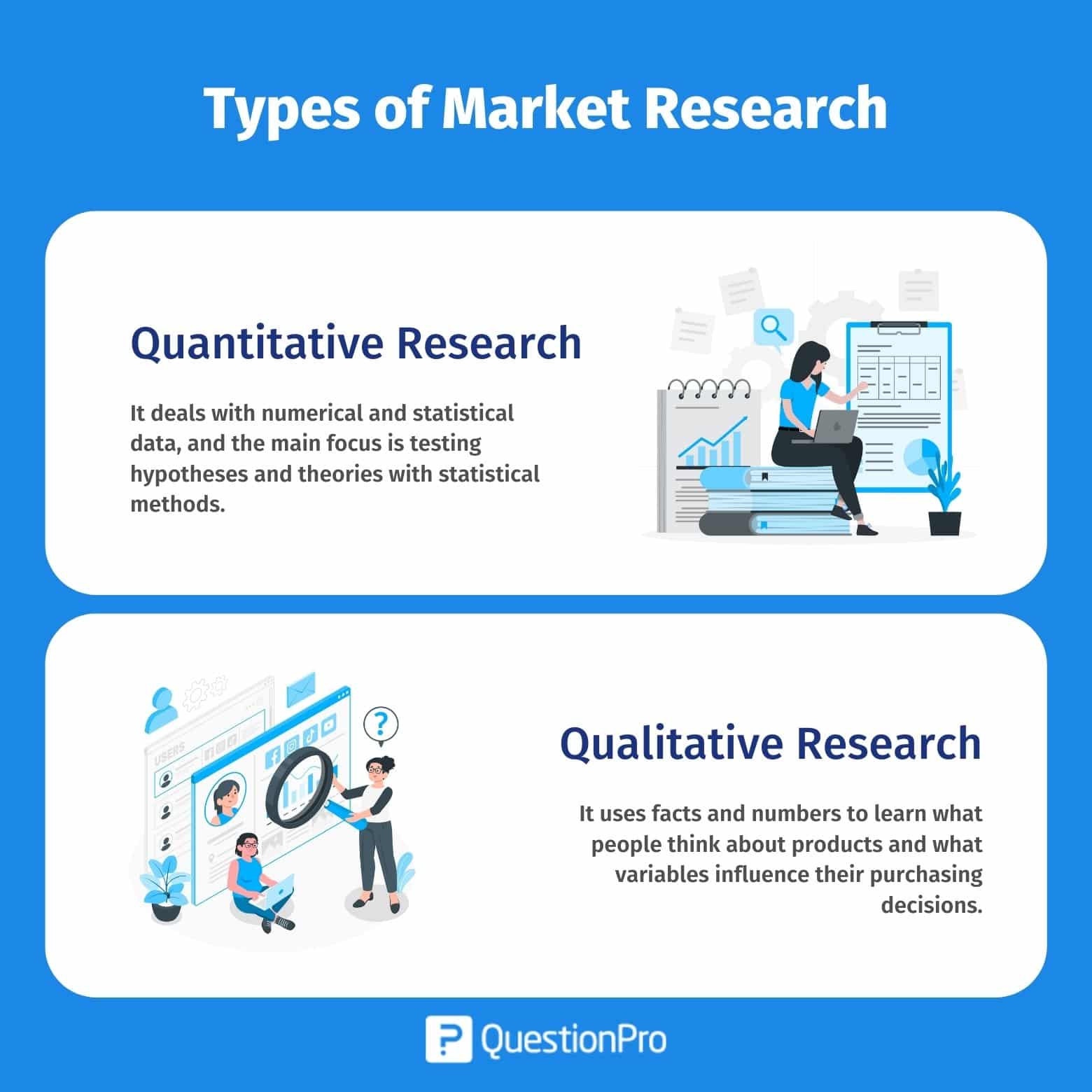
Unlocking Success: The Power of Marketing Market Research
The Importance of Market Research in Marketing Strategies Market research plays a crucial role in [...]
Exploring the Diverse Charms of New York State
New York State The Vibrant Diversity of New York State New York State, located in [...]