Unveiling the Meaning Behind Analytics: A Comprehensive Guide
The Meaning of Analytics
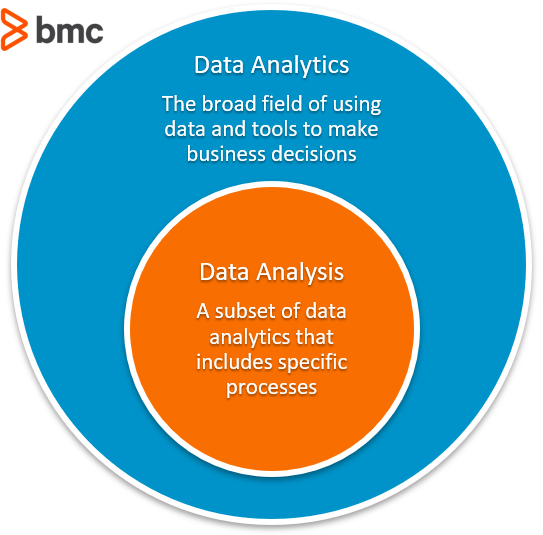
Analytics is the systematic computational analysis of data or statistics. It involves discovering meaningful patterns, trends, and insights within datasets to aid decision-making and improve outcomes. In today’s data-driven world, analytics plays a crucial role in various fields, including business, technology, healthcare, and more.
Types of Analytics
There are different types of analytics that serve specific purposes:
- Descriptive Analytics: Describes what has happened based on historical data.
- Predictive Analytics: Forecasts future outcomes based on historical data and statistical algorithms.
- Prescriptive Analytics: Recommends actions to optimize outcomes based on predictive analytics results.
- Diagnostic Analytics: Focuses on identifying the root causes of past outcomes or events.
The Importance of Analytics
Analytics provides organizations with valuable insights that can drive strategic decision-making, enhance operational efficiency, and gain a competitive edge. By leveraging analytics tools and techniques, businesses can better understand their customers, optimize processes, mitigate risks, and innovate products and services.
Conclusion
In conclusion, analytics is a powerful tool that empowers individuals and organizations to make informed decisions based on data-driven insights. By harnessing the potential of analytics, businesses can unlock new opportunities for growth and success in an increasingly complex and interconnected world.
Unlocking Success: 9 Key Benefits of Analytics for Business Growth
- Enables data-driven decision-making
- Reveals valuable insights and trends
- Improves operational efficiency
- Enhances strategic planning
- Helps in predicting future outcomes
- Identifies opportunities for growth
- Optimizes marketing and sales strategies
- Mitigates risks and detects anomalies
- Facilitates continuous improvement
Challenges of Analytics: Navigating Misinterpretations, Bias, Costs, Complexity, Privacy, and Overreliance
- Misinterpretation of data leading to incorrect conclusions
- Potential for bias in data collection and analysis
- High costs associated with implementing and maintaining analytics tools
- Complexity of analytics algorithms may require specialized skills or expertise
- Privacy concerns related to the collection and storage of sensitive data
- Overreliance on analytics may overlook qualitative factors or human judgment
Enables data-driven decision-making
Analytics meaning enables data-driven decision-making by providing organizations with the tools and insights needed to make informed choices based on factual data and statistical analysis. By leveraging analytics, businesses can move away from gut feelings or intuition and instead rely on concrete evidence to guide their strategies, identify trends, predict outcomes, and optimize processes. This approach not only minimizes risks but also maximizes opportunities for growth and success by ensuring that decisions are grounded in objective information rather than subjective opinions.
Reveals valuable insights and trends
Analytics meaning reveals valuable insights and trends by analyzing data to uncover patterns, correlations, and anomalies that may not be apparent on the surface. By delving deep into datasets, analytics can provide businesses with actionable information that can guide strategic decisions, identify opportunities for improvement, and predict future outcomes. This pro of analytics meaning empowers organizations to stay ahead of the curve, adapt to changing market conditions, and make informed choices that drive success and innovation.
Improves operational efficiency
Analytics meaning improves operational efficiency by providing organizations with valuable insights into their processes and performance. By analyzing data related to operations, businesses can identify bottlenecks, streamline workflows, and optimize resource allocation. This proactive approach allows companies to make informed decisions that lead to increased productivity, cost savings, and overall operational excellence. With the help of analytics, organizations can fine-tune their operations to achieve maximum efficiency and effectiveness in today’s competitive business environment.
Enhances strategic planning
Analytics meaning enhances strategic planning by providing organizations with valuable insights derived from data analysis. By leveraging analytics tools and techniques, businesses can gain a deeper understanding of market trends, customer behavior, and operational performance. This enables decision-makers to make informed choices, identify opportunities for growth, and mitigate risks effectively. With the help of analytics, organizations can develop more precise and data-driven strategic plans that align with their goals and objectives, ultimately leading to improved performance and competitive advantage in the marketplace.
Helps in predicting future outcomes
Analytics meaning encompasses a significant pro in its ability to help in predicting future outcomes. By analyzing past data and trends, analytics enables organizations to forecast potential scenarios and make informed decisions to shape their future strategies. This predictive capability allows businesses to anticipate market trends, customer behavior, and operational challenges, empowering them to proactively address issues and capitalize on opportunities before they arise. Ultimately, the predictive aspect of analytics plays a crucial role in guiding businesses towards successful outcomes and sustainable growth.
Identifies opportunities for growth
Analytics meaning identifies opportunities for growth by analyzing data to uncover trends, patterns, and insights that can lead to strategic business decisions. By leveraging analytics tools and techniques, organizations can identify untapped market segments, optimize marketing strategies, improve operational efficiency, and innovate products or services. This proactive approach enables businesses to capitalize on emerging trends, anticipate customer needs, and stay ahead of the competition, ultimately driving sustainable growth and success.
Optimizes marketing and sales strategies
Analytics meaning plays a crucial role in optimizing marketing and sales strategies by providing valuable insights into customer behavior, preferences, and trends. By analyzing data related to customer interactions, purchase history, and market dynamics, businesses can tailor their marketing campaigns, target specific customer segments more effectively, and personalize sales approaches. This proactive use of analytics not only enhances the efficiency of marketing and sales efforts but also leads to increased customer engagement, higher conversion rates, and ultimately improved business performance.
Mitigates risks and detects anomalies
Analytics, particularly in the form of predictive and diagnostic analytics, offers the significant advantage of mitigating risks and detecting anomalies within datasets. By analyzing historical data patterns and identifying deviations from expected norms, organizations can proactively address potential risks before they escalate into larger issues. This capability not only enhances decision-making processes but also enables businesses to maintain operational stability and security by promptly identifying and addressing irregularities or threats within their data environment.
Facilitates continuous improvement
Analytics meaning facilitates continuous improvement by providing organizations with valuable insights into their operations, processes, and performance. Through the analysis of data and metrics, businesses can identify areas for enhancement, optimize workflows, and make informed decisions to drive ongoing progress. By leveraging analytics tools and techniques, companies can track key performance indicators, monitor trends, and implement targeted strategies to continuously refine their practices and achieve greater efficiency and effectiveness in achieving their goals.
Misinterpretation of data leading to incorrect conclusions
Misinterpretation of data within the realm of analytics can be a significant drawback, potentially resulting in erroneous conclusions and misguided decisions. When data is not thoroughly analyzed or contextually understood, there is a risk of drawing inaccurate insights that may lead to detrimental outcomes. It is essential for analysts and decision-makers to exercise caution, ensure data accuracy, consider various perspectives, and employ critical thinking skills to mitigate the risk of misinterpreting data and arriving at incorrect conclusions.
Potential for bias in data collection and analysis
The con of analytics lies in the potential for bias in data collection and analysis. When data is gathered and interpreted, there is a risk of inherent biases influencing the process, leading to skewed results and flawed conclusions. This bias can stem from various sources, including the selection of data sources, the design of algorithms, or the interpretation of findings. It is essential for analysts to be vigilant and employ ethical practices to mitigate bias in analytics processes to ensure that decisions are based on accurate and unbiased information.
High costs associated with implementing and maintaining analytics tools
The high costs associated with implementing and maintaining analytics tools pose a significant con in utilizing analytics. Organizations often face substantial financial investments in acquiring advanced analytics software, hardware, and expertise to effectively analyze and interpret data. Additionally, ongoing expenses for training staff, upgrading systems, and ensuring data security can further strain budgets. These financial barriers may limit smaller businesses or resource-constrained entities from fully harnessing the benefits of analytics, hindering their ability to compete in data-driven environments.
Complexity of analytics algorithms may require specialized skills or expertise
The complexity of analytics algorithms can present a significant challenge as it often demands specialized skills or expertise to effectively navigate and interpret the data. Understanding and implementing intricate analytical methods may require a deep understanding of statistics, programming languages, and data manipulation techniques. This barrier to entry can limit the accessibility of advanced analytics to individuals or organizations without the necessary resources or training, potentially hindering their ability to leverage data-driven insights for informed decision-making.
Privacy concerns related to the collection and storage of sensitive data
Privacy concerns related to the collection and storage of sensitive data are a significant con of analytics. As organizations gather vast amounts of information for analysis, there is a risk of infringing on individuals’ privacy rights. The potential misuse or unauthorized access to this data can lead to breaches of confidentiality, identity theft, and other privacy violations. It is crucial for businesses to prioritize data security measures and adhere to strict regulations to mitigate these risks and safeguard the privacy of individuals whose information is being analyzed.
Overreliance on analytics may overlook qualitative factors or human judgment
Overreliance on analytics may lead to a narrow focus on quantitative data, potentially overlooking important qualitative factors and human judgment in decision-making processes. While analytics can provide valuable insights and trends based on data analysis, it is essential to balance this information with subjective inputs, such as intuition, experience, and context. Human judgment plays a crucial role in interpreting results, considering nuances that data alone may not capture. Therefore, a holistic approach that integrates both analytics and qualitative considerations is key to making well-informed decisions that align with organizational goals and values.
Related Post

Driving Success: The Evolution of Car Dealerships in Today’s Market
The Role of Car Dealerships in the Automotive Industry The Role of Car Dealerships in [...]
Explore the Best Deals on Used Cars in Cortland, NY
Cortland NY Used Cars The Best Deals on Used Cars in Cortland, NY If you’re [...]