Exploring the Benefits of a Modern Computer Laboratory in Education
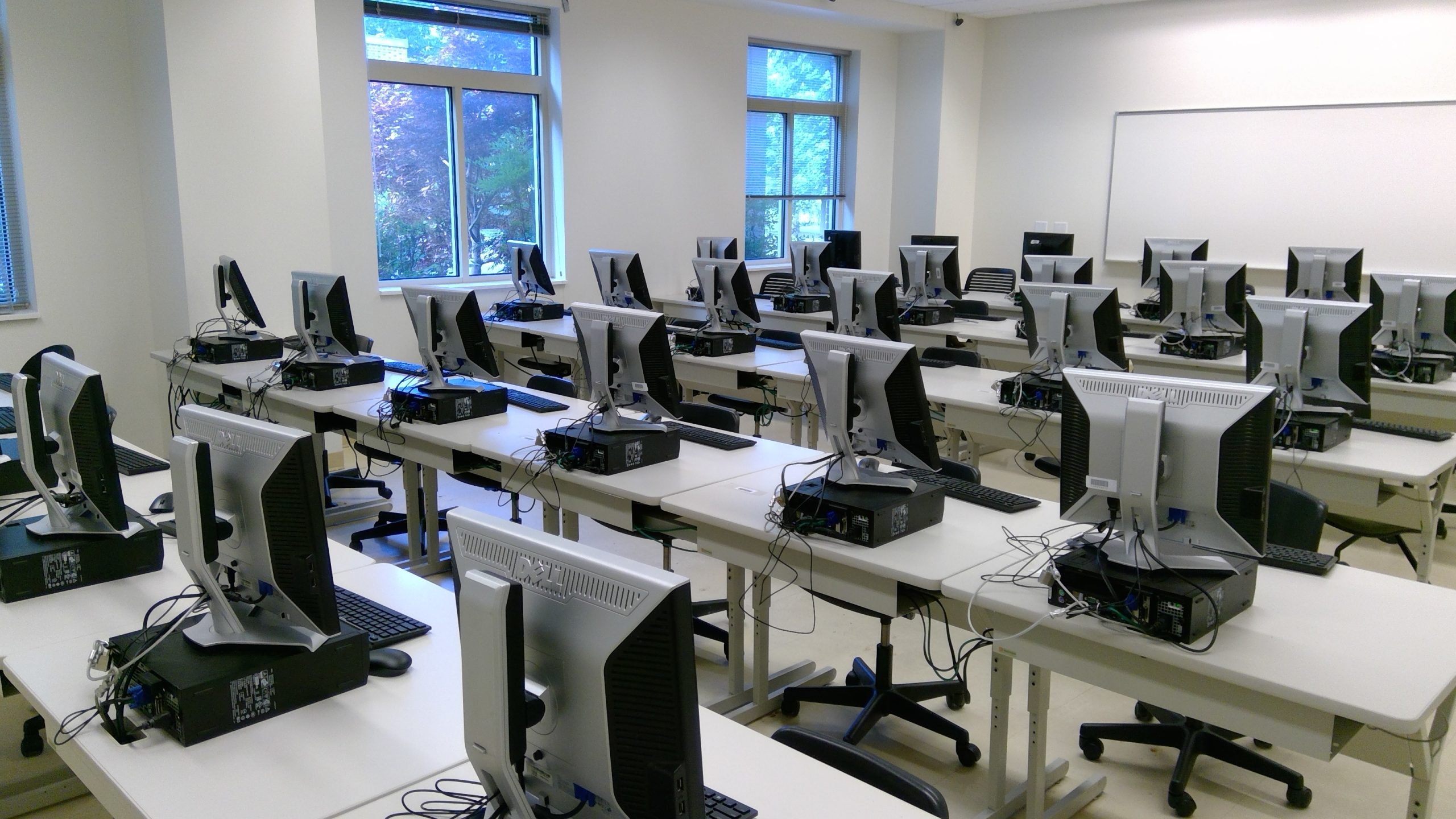
The Importance of Computer Laboratories in Education
Computer laboratories play a crucial role in modern education, providing students with access to technology and resources that enhance their learning experience. These specialized facilities are equipped with computers, software, and internet connectivity, allowing students to engage in various educational activities that promote skill development and knowledge acquisition.
One of the key benefits of computer laboratories is the opportunity they provide for hands-on learning. Students can apply theoretical concepts taught in the classroom to practical tasks, such as programming, data analysis, and multimedia production. This practical experience not only reinforces classroom learning but also helps students develop critical thinking and problem-solving skills.
Computer laboratories also facilitate collaborative learning among students. By working together on projects and assignments in a computer lab setting, students can exchange ideas, share knowledge, and learn from each other’s experiences. This collaborative environment fosters teamwork and communication skills essential for success in the digital age.
Furthermore, computer laboratories enable educators to integrate technology into their teaching methods effectively. Teachers can use software applications, multimedia presentations, and online resources to create engaging lessons that cater to diverse learning styles. By leveraging technology in the classroom, educators can enhance student engagement and improve learning outcomes.
In conclusion, computer laboratories are essential components of modern education systems. They provide students with access to technology-rich environments that support hands-on learning, collaboration, and effective teaching practices. By embracing computer laboratories as valuable educational tools, institutions can empower students with the skills and knowledge needed to thrive in an increasingly digital world.
5 Benefits of Computer Labs: Enhancing Learning and Preparing Students for the Digital Age
- Enhances hands-on learning by providing practical experience with technology and software.
- Facilitates collaborative work among students, promoting teamwork and knowledge sharing.
- Enables educators to integrate technology effectively into teaching methods for engaging lessons.
- Provides access to specialized software and resources that support skill development and knowledge acquisition.
- Prepares students for success in the digital age by fostering critical thinking and problem-solving skills.
Challenges of Computer Laboratories: Access, Maintenance, and Security Concerns
- Limited access to computers during peak hours may lead to waiting times for students.
- Technical issues with hardware or software can disrupt learning activities.
- Potential distractions from internet browsing and non-educational use of computers.
- Maintenance costs for computer equipment and software upgrades can be expensive.
- Security concerns related to data privacy and cyber threats in a shared computing environment.
- Unequal distribution of resources and outdated technology in some computer laboratories.
Enhances hands-on learning by providing practical experience with technology and software.
Computer laboratories are invaluable in education as they enhance hands-on learning by offering students practical experience with technology and software. By engaging in interactive tasks and projects within a computer lab setting, students can apply theoretical knowledge to real-world scenarios, strengthening their understanding and skills. This hands-on approach not only reinforces classroom learning but also fosters critical thinking, problem-solving abilities, and technical proficiency essential for success in today’s digital age.
Facilitates collaborative work among students, promoting teamwork and knowledge sharing.
Computer laboratories serve as invaluable spaces that facilitate collaborative work among students, fostering a culture of teamwork and knowledge sharing. By providing a conducive environment for students to come together and engage in group projects, discussions, and problem-solving activities, computer labs promote collaboration skills essential for success in both academic and professional settings. Through working together in these settings, students not only enhance their understanding of the subject matter but also learn to communicate effectively, leverage each other’s strengths, and collectively achieve common goals. This collaborative aspect of computer laboratories not only enriches the learning experience but also prepares students for the collaborative nature of the modern workforce.
Enables educators to integrate technology effectively into teaching methods for engaging lessons.
Computer laboratories offer a significant advantage by enabling educators to seamlessly integrate technology into their teaching methods, resulting in more engaging and interactive lessons for students. By leveraging software applications, multimedia presentations, and online resources available in the computer lab environment, teachers can create dynamic learning experiences that cater to diverse learning styles. This integration of technology not only enhances student engagement but also facilitates a deeper understanding of complex concepts through interactive and visual aids, ultimately leading to improved learning outcomes.
Provides access to specialized software and resources that support skill development and knowledge acquisition.
Computer laboratories offer students access to a wide range of specialized software and resources that are crucial for skill development and knowledge acquisition. By utilizing these tools, students can engage in hands-on activities that enhance their understanding of complex concepts and practical applications. Whether it’s programming languages, design software, or research databases, the availability of such resources in a computer laboratory empowers students to explore new skills, deepen their expertise, and ultimately broaden their educational horizons.
Prepares students for success in the digital age by fostering critical thinking and problem-solving skills.
Computer laboratories excel in preparing students for success in the digital age by nurturing essential critical thinking and problem-solving skills. Through hands-on engagement with technology and practical tasks like programming and data analysis, students develop the ability to analyze complex problems, think creatively, and devise effective solutions. This immersive learning environment not only reinforces theoretical knowledge but also equips students with the cognitive agility needed to navigate and excel in today’s rapidly evolving technological landscape. By honing these crucial skills within a computer laboratory setting, students are better equipped to tackle real-world challenges and thrive in a digital-centric society.
Limited access to computers during peak hours may lead to waiting times for students.
Limited access to computers during peak hours in computer laboratories can present a significant challenge for students, as it may result in extended waiting times to use the available resources. This delay can disrupt students’ workflow, hinder their productivity, and impede their ability to complete assignments or projects efficiently. Additionally, prolonged wait times can lead to frustration and demotivation among students, impacting their overall learning experience. Addressing this con by implementing strategies such as scheduling system usage or expanding computer resources can help alleviate the issue and ensure equitable access for all students.
Technical issues with hardware or software can disrupt learning activities.
Technical issues with hardware or software in computer laboratories can significantly disrupt learning activities and hinder the educational experience for students. When computers malfunction or software fails to operate correctly, valuable class time is wasted troubleshooting issues instead of engaging in productive learning tasks. These disruptions can lead to frustration among students and teachers, impacting the flow of lessons and potentially derailing the intended curriculum. Additionally, technical problems may create a sense of uncertainty and unease among students, affecting their confidence in using technology as a learning tool. Addressing and minimizing technical issues is crucial to ensure that computer laboratories remain effective environments for enhancing student learning and skill development.
Potential distractions from internet browsing and non-educational use of computers.
One significant drawback of computer laboratories is the potential for distractions stemming from unrestricted internet browsing and non-educational use of computers by students. With easy access to the internet, students may veer off-task, spending time on social media, gaming, or other non-academic activities instead of focusing on their educational tasks. This can hinder productivity, disrupt learning environments, and detract from the intended educational purposes of the computer laboratory. It is crucial for educators and institutions to implement measures to mitigate these distractions and ensure that students utilize computer resources effectively for academic growth and skill development.
Maintenance costs for computer equipment and software upgrades can be expensive.
Maintenance costs for computer equipment and software upgrades in computer laboratories can present a significant financial challenge for educational institutions. The need to keep hardware and software up-to-date to ensure optimal performance and security can result in ongoing expenses that strain budget resources. From regular maintenance checks to the purchase of new equipment and licenses for updated software, the financial burden of maintaining a modern computer laboratory can be daunting. These costs may limit the ability of institutions to provide students with the latest technology advancements, impacting the quality of education and learning experience offered in these facilities.
Security concerns related to data privacy and cyber threats in a shared computing environment.
Security concerns related to data privacy and cyber threats in a shared computing environment are a significant con of computer laboratories. With multiple users accessing the same network and devices, there is an increased risk of unauthorized access to sensitive information, potential data breaches, and exposure to malware or cyber attacks. Maintaining robust security measures, such as encryption protocols, access controls, and regular system updates, is essential to mitigate these risks and safeguard the integrity of data within a shared computing environment. Vigilance and proactive monitoring are crucial in addressing security challenges in computer laboratories to ensure the protection of user privacy and prevent potential cybersecurity incidents.
Unequal distribution of resources and outdated technology in some computer laboratories.
An inherent con of computer laboratories is the unequal distribution of resources and the presence of outdated technology in certain facilities. This disparity can hinder students’ access to up-to-date software, hardware, and internet connectivity, creating a divide in educational opportunities. Students in institutions with limited resources may not have the same learning experiences as those in well-equipped labs, impacting their ability to develop essential digital skills and stay current with technological advancements. Addressing this issue is crucial to ensure that all students have equal access to quality technology resources for a more equitable learning environment.
Related Post

Building Success Through a Collaborative Team Approach
The Power of Collaboration: Building a Strong and Effective Team In today’s fast-paced and interconnected [...]
Unveiling Insights Through Multivariate Analysis: A Comprehensive Approach
The Power of Multivariate Analysis The Power of Multivariate Analysis When dealing with complex data [...]