Revolutionizing Transportation: The Latest Auto Innovations
The Evolution of Auto Innovations: Shaping the Future of Transportation
From the invention of the automobile to the rise of electric vehicles and self-driving cars, the automotive industry has been a hotbed of innovation throughout history. Auto manufacturers and technology companies are constantly pushing boundaries to create safer, more efficient, and environmentally friendly vehicles. Let’s explore some of the key auto innovations that are shaping the future of transportation.
Electric Vehicles (EVs)
The shift towards electric vehicles represents a significant milestone in the automotive industry’s efforts to reduce carbon emissions and combat climate change. EVs offer a cleaner alternative to traditional gasoline-powered cars, with advancements in battery technology enabling longer driving ranges and faster charging times. Companies like Tesla, Nissan, and Chevrolet have been at the forefront of this revolution, making electric cars more accessible to consumers worldwide.
Autonomous Driving Technology
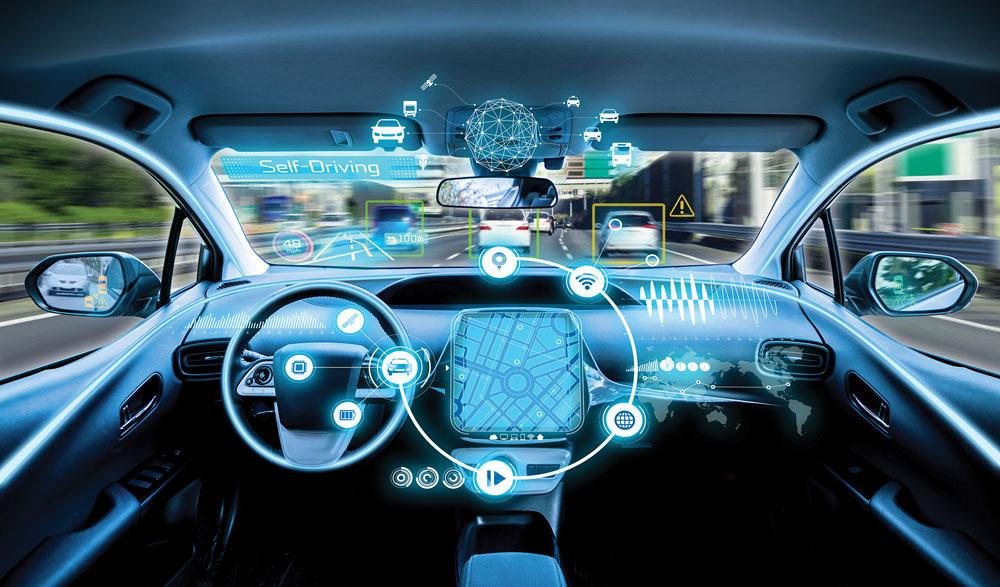
The development of autonomous driving technology promises to revolutionize how we think about transportation. Self-driving cars equipped with sensors, cameras, and artificial intelligence algorithms can navigate roads with minimal human intervention, potentially reducing accidents and traffic congestion. Companies like Waymo, Uber, and Tesla have been investing heavily in autonomous vehicle research, paving the way for a future where cars drive themselves.
Connected Vehicles
Connected vehicles leverage internet connectivity to enhance safety, convenience, and entertainment for drivers and passengers. Features like real-time traffic updates, remote vehicle monitoring, and in-car infotainment systems have become increasingly common in modern cars. As 5G technology continues to expand globally, we can expect even more advanced connected vehicle capabilities in the near future.
Sustainability Initiatives
Auto manufacturers are embracing sustainability initiatives to reduce their environmental impact across all aspects of vehicle production. From using recycled materials in car interiors to implementing energy-efficient manufacturing processes, companies are striving to make their operations more eco-friendly. The push towards sustainability also extends to vehicle end-of-life considerations, with efforts to recycle or repurpose components for a circular economy approach.
In conclusion, auto innovations continue to drive progress in the automotive industry towards a more sustainable and technologically advanced future. As consumers demand cleaner transportation options and smarter mobility solutions, automakers will need to stay ahead of the curve by embracing cutting-edge technologies and sustainable practices.
Exploring Auto Innovations: Answers to Key Questions on EVs, Autonomous Driving, and Future Technologies
- What are electric vehicles (EVs) and how do they work?
- What is autonomous driving technology and how safe is it?
- How are connected vehicles different from traditional cars?
- What advancements have been made in battery technology for electric vehicles?
- Are self-driving cars legal on public roads?
- How do auto manufacturers ensure the safety of autonomous vehicles?
- What role does artificial intelligence play in auto innovations?
- How do sustainability initiatives impact the automotive industry?
- What are the benefits of adopting electric and hybrid vehicles?
What are electric vehicles (EVs) and how do they work?
Electric vehicles (EVs) are automobiles powered by electricity stored in rechargeable batteries instead of traditional gasoline or diesel fuel. EVs utilize an electric motor to drive the wheels, drawing energy from the onboard battery pack. When the vehicle is plugged into a charging station, electricity is transferred to the battery, storing energy for later use. This stored energy powers the electric motor, propelling the vehicle forward. EVs offer a cleaner and more sustainable alternative to internal combustion engine vehicles, contributing to reduced emissions and environmental impact. The advancements in battery technology have enabled EVs to achieve longer driving ranges and faster charging times, making them an increasingly popular choice for environmentally conscious consumers looking to embrace innovative transportation solutions.
What is autonomous driving technology and how safe is it?
Autonomous driving technology, also known as self-driving technology, refers to the capability of vehicles to operate and navigate roads without human input. This innovative technology relies on a combination of sensors, cameras, radar, and artificial intelligence algorithms to interpret the surrounding environment and make driving decisions. The safety of autonomous driving technology is a top concern for both manufacturers and regulators. While self-driving cars have the potential to reduce human error-related accidents, there are ongoing efforts to ensure that these vehicles meet stringent safety standards. Extensive testing, real-world simulations, and regulatory frameworks are being developed to address safety concerns and build trust in the reliability of autonomous driving systems.
How are connected vehicles different from traditional cars?
Connected vehicles differ from traditional cars in their ability to leverage internet connectivity for enhanced features and functionalities. Unlike traditional cars that operate independently, connected vehicles can communicate with external networks, other vehicles, and infrastructure to provide real-time information and services. This connectivity enables features such as remote vehicle monitoring, over-the-air software updates, predictive maintenance alerts, and advanced navigation systems. By integrating technology into the driving experience, connected vehicles offer improved safety, convenience, and entertainment options that go beyond what traditional cars can provide. This shift towards connectivity represents a significant evolution in the automotive industry, shaping the future of transportation towards a more interconnected and intelligent ecosystem.
What advancements have been made in battery technology for electric vehicles?
Advancements in battery technology for electric vehicles have been a game-changer in the automotive industry, revolutionizing the way we think about sustainable transportation. Over the years, researchers and manufacturers have focused on enhancing battery performance by increasing energy density, improving charging speeds, and extending overall lifespan. Lithium-ion batteries have emerged as the go-to choice for electric vehicles, offering higher energy storage capacity and efficiency compared to traditional lead-acid batteries. Additionally, innovations such as solid-state batteries and silicon-anode technologies hold promise for further boosting the range and durability of electric vehicles, making them more practical and appealing to a wider audience. These advancements in battery technology not only address concerns about range anxiety but also contribute significantly to reducing carbon emissions and promoting a greener future for transportation.
Are self-driving cars legal on public roads?
The legality of self-driving cars on public roads is a complex and evolving issue that varies from state to state and country to country. While many jurisdictions have passed legislation allowing for the testing and operation of autonomous vehicles under certain conditions, there are still numerous regulatory challenges to overcome. Factors such as liability in the event of accidents, data privacy concerns, and the need for standardized safety protocols all play a role in shaping the legal landscape for self-driving cars. As technology advances and public acceptance grows, policymakers will continue to grapple with how best to regulate this innovative form of transportation to ensure both safety and efficiency on our roadways.
How do auto manufacturers ensure the safety of autonomous vehicles?
Auto manufacturers employ a multi-faceted approach to ensure the safety of autonomous vehicles. One key strategy is the rigorous testing of autonomous driving systems under various real-world scenarios to validate their performance and reliability. These tests help identify and address potential vulnerabilities or malfunctions in the technology. Additionally, manufacturers integrate redundant sensors, cameras, and computing systems to enhance the vehicle’s ability to perceive and respond to its environment accurately. Continuous software updates and cybersecurity measures are also implemented to protect against potential cyber threats that could compromise the vehicle’s safety. Collaboration with regulatory bodies and industry stakeholders further ensures that autonomous vehicles meet stringent safety standards before being deployed on public roads. By combining advanced technology, thorough testing, and regulatory compliance, auto manufacturers strive to build trust in the safety and reliability of autonomous vehicles.
What role does artificial intelligence play in auto innovations?
Artificial intelligence (AI) plays a pivotal role in auto innovations by enhancing vehicle capabilities and transforming the driving experience. AI is integral to developing autonomous driving systems, where it processes vast amounts of data from sensors and cameras to make real-time decisions, enabling vehicles to navigate safely without human intervention. Additionally, AI powers advanced driver-assistance systems (ADAS) that improve safety through features like lane-keeping assistance, adaptive cruise control, and collision avoidance. Beyond driving, AI enhances in-car experiences with personalized infotainment systems and voice-activated controls, making interactions more intuitive for users. As the automotive industry continues to evolve, AI remains a key driver of innovation, contributing to smarter, safer, and more efficient vehicles.
How do sustainability initiatives impact the automotive industry?
Sustainability initiatives have a profound impact on the automotive industry by driving significant changes in manufacturing processes, vehicle design, and overall business practices. By prioritizing sustainability, auto manufacturers are compelled to reduce their carbon footprint, minimize waste generation, and adopt eco-friendly materials in production. These initiatives not only contribute to a cleaner environment but also resonate with consumers who are increasingly conscious of the environmental impact of their purchases. Embracing sustainability in the automotive sector not only fosters innovation but also positions companies as leaders in responsible business practices, ultimately shaping a more sustainable future for the industry and the planet as a whole.
What are the benefits of adopting electric and hybrid vehicles?
The benefits of adopting electric and hybrid vehicles are manifold. Firstly, these eco-friendly alternatives contribute significantly to reducing greenhouse gas emissions, thus helping combat climate change and improve air quality. Electric vehicles (EVs) and hybrids also offer lower operating costs compared to traditional gasoline-powered cars, as electricity is generally cheaper than gasoline and maintenance requirements are often simpler. Additionally, EVs provide a quieter and smoother driving experience, while hybrids offer a seamless transition between electric and gasoline power, maximizing fuel efficiency. By embracing electric and hybrid vehicles, individuals can not only save money in the long run but also contribute to a more sustainable future for transportation.
Related Post
Strategic Analysis: A Practical Guide to Better Business Decisions
Strategic Analysis: A Practical Guide to Making Better Business Decisions Strategic analysis helps an organization [...]