Exploring the Benefits of a Modern Computer Lab in Education
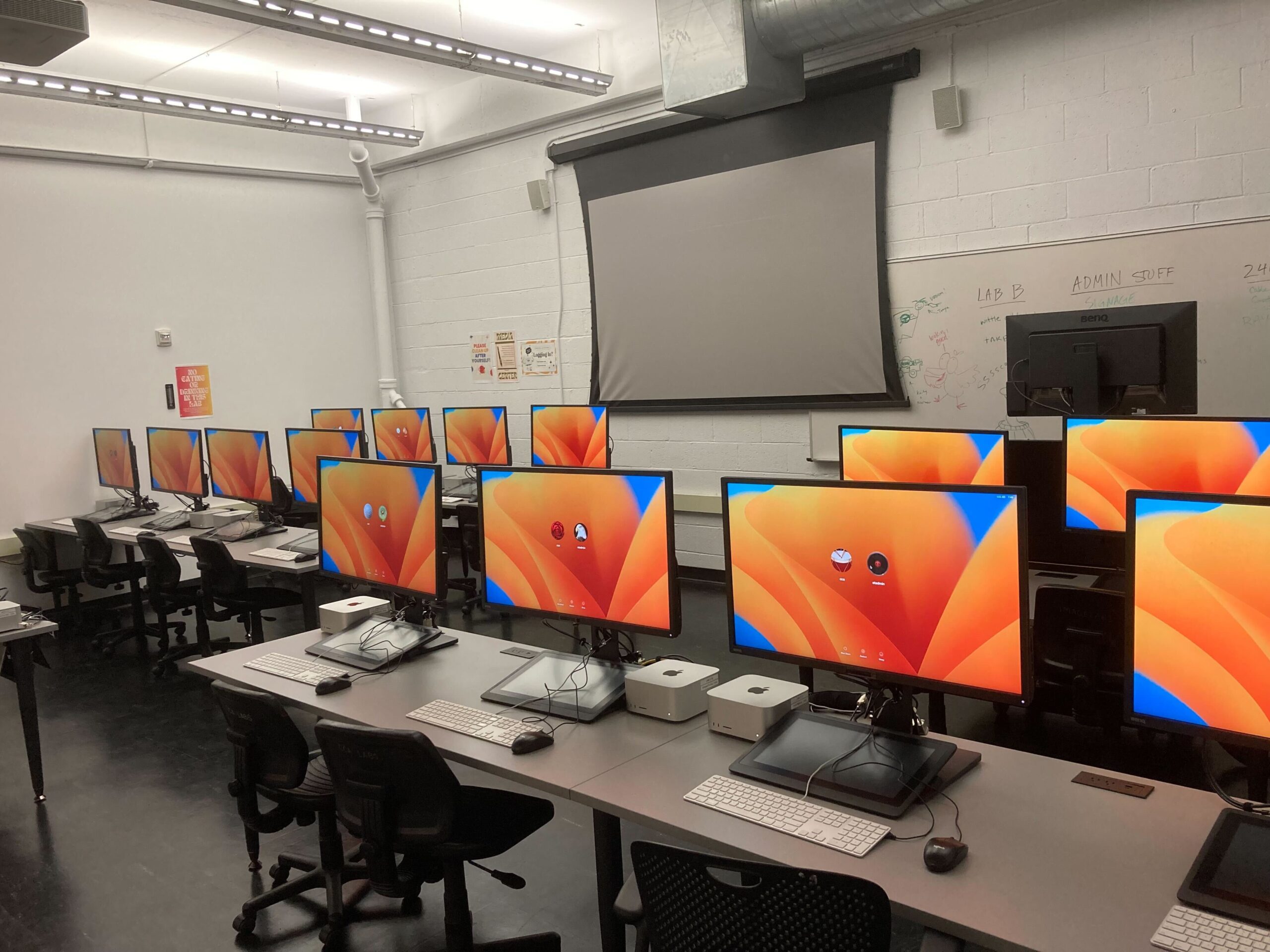
The Importance of Computer Labs in Education
Computer labs play a crucial role in modern education, providing students with access to technology and resources that enhance their learning experience. These dedicated spaces are equipped with computers, software, and internet connectivity, allowing students to engage in a variety of educational activities.
One of the key benefits of computer labs is the opportunity for students to develop essential digital literacy skills. In today’s digital age, proficiency with computers and technology is increasingly important for academic and professional success. Computer labs provide students with hands-on experience using software applications, conducting research online, and accessing educational resources.
Furthermore, computer labs facilitate collaborative learning opportunities. Students can work together on projects, share ideas, and collaborate on assignments using the computers and software available in the lab. This fosters teamwork and communication skills while also promoting creativity and problem-solving abilities.
Computer labs also offer a platform for teachers to integrate technology into their lesson plans effectively. Educators can utilize the resources available in the lab to create interactive lessons, multimedia presentations, and online assessments that engage students and enhance learning outcomes.
Overall, computer labs serve as a valuable asset in educational institutions by providing students with access to technology, fostering digital literacy skills, promoting collaboration, and enhancing teaching methods. As technology continues to advance, computer labs will remain an essential component of modern education.
6 Benefits of Computer Labs: Empowering Students for a Digital Future
- Enhances students’ digital literacy skills
- Provides access to educational software and resources
- Facilitates collaborative learning opportunities
- Supports interactive and engaging teaching methods
- Helps students develop problem-solving abilities
- Prepares students for success in a technology-driven world
Challenges in Computer Labs: Limited Access, Distractions, and Technical Issues
Enhances students’ digital literacy skills
Computer labs play a crucial role in enhancing students’ digital literacy skills by providing hands-on experience with technology and software applications. Through regular use of computers in a supervised setting, students develop proficiency in navigating digital interfaces, conducting online research, and utilizing various software tools. This exposure not only prepares students for academic success but also equips them with essential skills for the increasingly technology-driven world they will enter upon graduation.
Provides access to educational software and resources
Computer labs offer a significant advantage by providing students access to a wide range of educational software and resources. These resources allow students to engage with interactive learning tools, simulations, and specialized programs that enhance their understanding of various subjects. By utilizing educational software in a computer lab setting, students can explore complex concepts, practice skills, and receive immediate feedback, ultimately improving their academic performance and fostering a deeper level of learning.
Facilitates collaborative learning opportunities
Computer labs serve as a valuable environment that facilitates collaborative learning opportunities among students. By providing access to shared computers, software applications, and internet resources, computer labs enable students to work together on projects, share knowledge, and engage in group activities that promote teamwork and communication skills. Collaborative learning in computer labs not only enhances academic outcomes but also fosters creativity, problem-solving abilities, and a sense of community among students. This pro of computer labs highlights the importance of interactive and cooperative learning experiences in modern education.
Supports interactive and engaging teaching methods
Computer labs offer a valuable pro by supporting interactive and engaging teaching methods. With access to computers, software, and internet connectivity, educators can create dynamic lessons that involve multimedia elements, interactive simulations, and real-time collaboration. This hands-on approach not only captures students’ attention but also enhances their understanding of complex concepts through active participation. By utilizing computer labs, teachers can cater to different learning styles, encourage critical thinking, and foster a stimulating learning environment that promotes student engagement and academic success.
Helps students develop problem-solving abilities
Computer labs play a vital role in helping students develop problem-solving abilities. By engaging with various software applications, conducting research online, and tackling complex tasks on computers, students are presented with opportunities to think critically, analyze information, and find innovative solutions to challenges. The hands-on nature of computer lab activities encourages students to approach problems from different angles, experiment with different approaches, and persist in finding answers. These experiences not only enhance students’ technical skills but also foster a mindset of resilience and adaptability that are valuable traits in both academic and real-world settings.
Prepares students for success in a technology-driven world
Computer labs play a vital role in preparing students for success in a technology-driven world by equipping them with essential digital literacy skills and hands-on experience with various software applications. In an increasingly interconnected and technology-dependent society, proficiency in using computers and technology is paramount for academic and professional advancement. By providing students with access to computer labs, educational institutions empower them to navigate the digital landscape confidently, enabling them to adapt to evolving technological trends and excel in a competitive global environment.
Limited access
Limited access to computer labs can present a significant challenge for students who rely on consistent access to technology for their academic work. Scheduling conflicts and overcrowding in computer labs can hinder students’ ability to complete assignments, conduct research, and engage in online learning activities effectively. This limitation may disproportionately affect students who do not have access to computers or the internet outside of school, creating barriers to their educational success. Addressing the issue of limited availability in computer labs is crucial to ensuring that all students have equal opportunities to benefit from technology-enhanced learning experiences.
Distractions
Distractions pose a significant challenge in shared computer lab environments, potentially hindering students’ focus and productivity. The presence of noise, other users engaging in unrelated activities, and access to non-educational websites and applications can divert students’ attention away from their academic tasks. These distractions not only disrupt individual learning but also create a less conducive atmosphere for concentration and effective utilization of the resources available in the computer lab. Addressing strategies to minimize distractions and promote a more focused learning environment is crucial to optimizing the educational benefits of computer labs.
Technical issues
Computer labs are often plagued by technical issues that can hinder the learning process. From software glitches to hardware malfunctions and network connectivity problems, these disruptions can cause delays and frustrations for students and teachers alike. When computers in the lab encounter technical difficulties, it not only disrupts the flow of lessons but also impacts students’ ability to complete assignments and access important resources. Addressing and resolving these technical issues promptly is crucial to ensure that computer labs remain effective tools for education.
Related Post

Navigating Regulatory Compliance: Best Practices for Business Success
The Importance of Regulatory Compliance in Business Regulatory compliance refers to the adherence to laws, [...]