
Understanding the Meaning of SWOT Analysis in Business Strategy
The Meaning and Importance of SWOT Analysis in Business
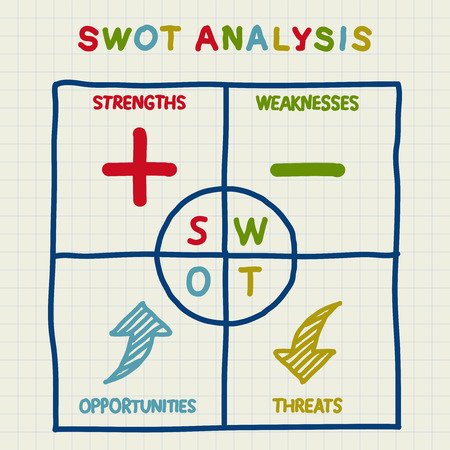
SWOT analysis is a strategic planning tool used by businesses to identify and understand their Strengths, Weaknesses, Opportunities, and Threats. It provides a comprehensive overview of the internal and external factors that can impact the success of a business.
Strengths
Strengths are the internal attributes and resources that give a business a competitive advantage. These can include things like a strong brand reputation, skilled workforce, innovative products or services, loyal customer base, or efficient processes. By identifying and leveraging strengths, businesses can capitalize on their core competencies to achieve their goals.
Weaknesses
Weaknesses are internal factors that hinder a business’s performance and competitiveness. These may include issues such as outdated technology, lack of skilled personnel, poor financial management, limited market presence, or inefficient operations. Recognizing weaknesses is essential for developing strategies to overcome challenges and improve overall performance.
Opportunities
Opportunities are external factors that could positively impact a business’s growth and success. These may arise from market trends, changes in consumer behavior, technological advancements, new partnerships or collaborations, or emerging markets. By identifying opportunities early on, businesses can adapt their strategies to capitalize on favorable conditions and expand their market presence.
Threats
Threats are external factors that pose risks to a business’s operations and profitability. These could include factors such as economic downturns, regulatory changes, increased competition, shifting consumer preferences, supply chain disruptions, or natural disasters. Understanding threats helps businesses anticipate challenges and develop contingency plans to mitigate risks.
The Importance of SWOT Analysis
SWOT analysis plays a crucial role in strategic planning and decision-making for businesses of all sizes. By conducting a thorough assessment of internal strengths and weaknesses alongside external opportunities and threats, companies can develop actionable strategies to maximize their strengths, address weaknesses, capitalize on opportunities, and mitigate threats.
Ultimately, SWOT analysis enables businesses to make informed decisions that align with their objectives and position them for long-term success in an ever-changing business environment.
Understanding SWOT: 5 Essential Tips for Analyzing Business Success
- SWOT analysis helps in identifying Strengths, Weaknesses, Opportunities, and Threats of a business or project.
- Strengths and Weaknesses are internal factors that can be controlled by the organization.
- Opportunities and Threats are external factors that the organization may have limited control over.
- SWOT analysis can be used to develop strategies for growth and improvement.
- Regularly updating the SWOT analysis can help in adapting to changing market conditions.
SWOT analysis helps in identifying Strengths, Weaknesses, Opportunities, and Threats of a business or project.
SWOT analysis is a valuable tool that aids in the identification of the internal and external factors affecting a business or project. By systematically evaluating Strengths, Weaknesses, Opportunities, and Threats, organizations can gain a comprehensive understanding of their current position and potential areas for improvement. This structured approach enables businesses to capitalize on their strengths, address weaknesses, leverage opportunities for growth, and proactively mitigate potential threats, ultimately guiding strategic decision-making and fostering long-term success.
Strengths and Weaknesses are internal factors that can be controlled by the organization.
In the context of SWOT analysis, Strengths and Weaknesses represent internal factors that are within the organization’s control. These aspects encompass the company’s inherent capabilities, resources, and areas for improvement. By identifying and understanding these internal factors, businesses can strategically leverage their strengths to gain a competitive edge while working to address and overcome weaknesses to enhance overall performance and sustainability.
Opportunities and Threats are external factors that the organization may have limited control over.
Opportunities and Threats represent external factors that can significantly impact an organization’s performance and success. While Strengths and Weaknesses are internal attributes that the organization can directly influence, Opportunities and Threats are often influenced by factors outside the organization’s control. These external factors, such as market trends, regulatory changes, competitive landscape, or economic conditions, can present both opportunities for growth and threats to the organization’s stability. Recognizing and analyzing these external forces through SWOT analysis allows organizations to adapt their strategies proactively and navigate challenges effectively in a dynamic business environment.
SWOT analysis can be used to develop strategies for growth and improvement.
SWOT analysis is a valuable tool that can be utilized to develop strategic plans for business growth and enhancement. By carefully examining internal strengths and weaknesses, as well as external opportunities and threats, organizations can identify areas for improvement, capitalize on their advantages, seize opportunities in the market, and proactively address potential challenges. This structured approach enables businesses to tailor their strategies effectively, align their resources with key objectives, and pave the way for sustainable growth and continuous improvement.
Regularly updating the SWOT analysis can help in adapting to changing market conditions.
Regularly updating the SWOT analysis is essential for businesses to stay agile and responsive to evolving market conditions. By revisiting and reassessing their strengths, weaknesses, opportunities, and threats on a consistent basis, companies can identify new trends, shifts in consumer behavior, emerging competition, or other external factors that may impact their business. This proactive approach enables organizations to adjust their strategies, optimize their resources, and seize opportunities as they arise, ensuring that they remain competitive and resilient in a dynamic business landscape.
Related Post

Enhancing Organizational Success Through Human Resource Management Training
The Importance of Human Resource Management Training The Importance of Human Resource Management Training Human [...]