
Unveiling the Meaning Behind Meta-Analysis: A Comprehensive Exploration
The Significance of Meta-Analysis
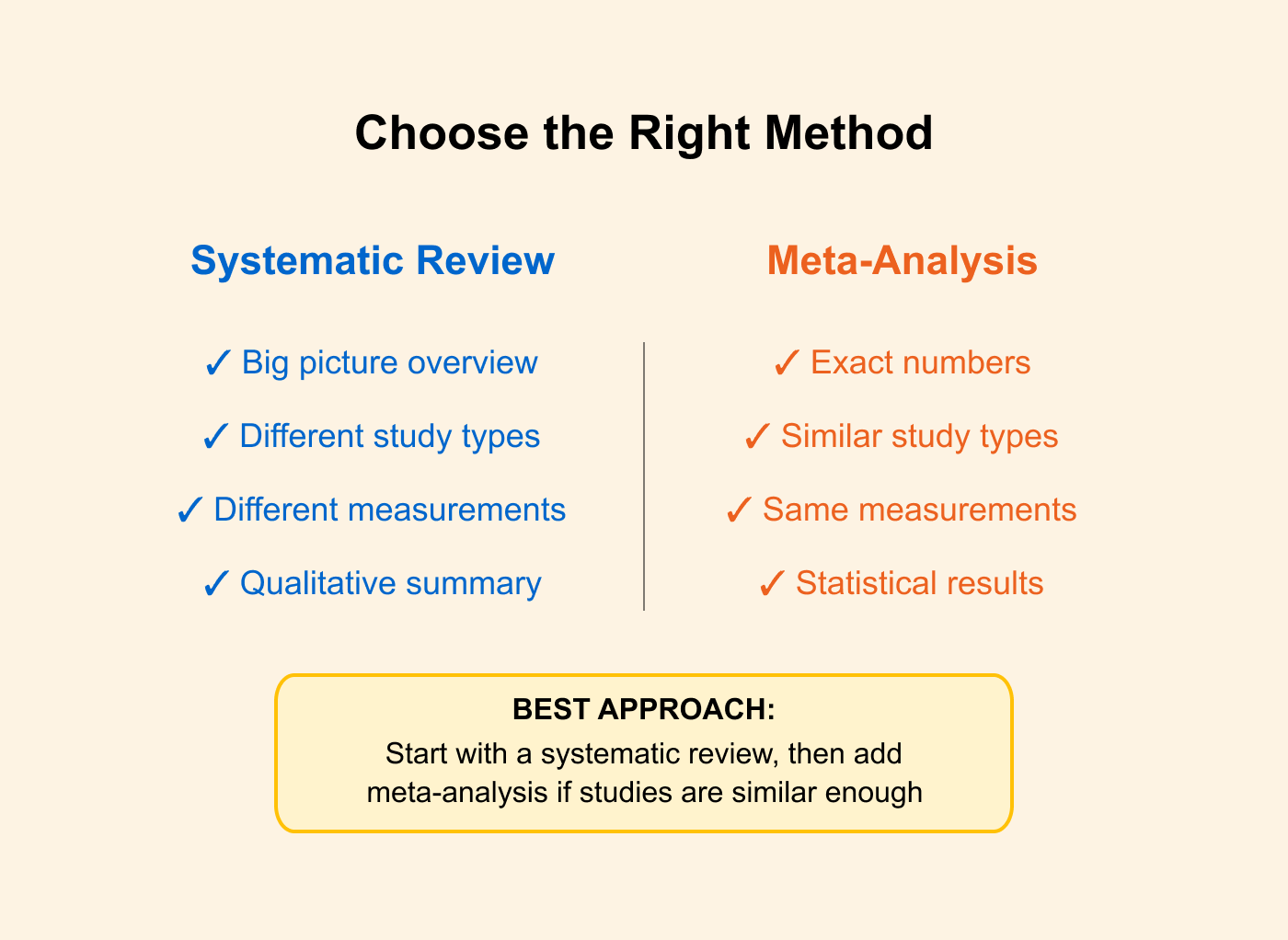
Meta-analysis is a powerful statistical technique used in research to synthesize data from multiple studies on a specific topic. By combining results from various independent studies, meta-analysis provides a comprehensive overview of the existing evidence, allowing researchers to draw more robust conclusions than they could from individual studies alone.
What Does Meta-Analysis Involve?
In a meta-analysis, researchers identify relevant studies, extract data, and analyze the combined results using statistical methods. By pooling data from multiple sources, meta-analysis increases the sample size and statistical power, enabling researchers to detect patterns or effects that may not be apparent in individual studies.
Benefits of Meta-Analysis
Meta-analysis offers several key benefits:
- Increased Precision: By aggregating data from multiple studies, meta-analysis provides more precise estimates of effect sizes or outcomes.
- Enhanced Generalizability: Meta-analysis can help identify trends or patterns across different study populations, enhancing the generalizability of research findings.
- Detection of Publication Bias: Meta-analysis can reveal publication bias by assessing the impact of unpublished studies on overall results.
- Statistical Power: Combining data from multiple studies increases statistical power, making it easier to detect significant effects.
Applications of Meta-Analysis
Meta-analysis is widely used in various fields, including medicine, psychology, education, and social sciences. Researchers use meta-analysis to examine treatment efficacy, explore relationships between variables, and summarize findings across diverse study designs.
In Conclusion
Meta-analysis plays a crucial role in evidence-based practice by synthesizing research findings and providing a comprehensive understanding of complex topics. By integrating data from multiple sources, meta-analysis offers valuable insights that can inform decision-making and drive future research directions.
Understanding Meta-Analysis: 7 Key Insights into Its Meaning and Importance
- Meta-analysis is a statistical technique used to combine the findings from multiple studies on a specific topic.
- It provides a more comprehensive understanding of the research area by synthesizing data from various sources.
- Meta-analysis can help identify patterns, trends, and inconsistencies across different studies.
- It allows researchers to estimate the overall effect size of a treatment or intervention more accurately.
- Careful consideration should be given to the quality and relevance of included studies in a meta-analysis.
- Publication bias, where only significant results get published, can impact the validity of meta-analytic findings.
- Interpreting results from meta-analyses requires an understanding of statistical methods and assumptions.
Meta-analysis is a statistical technique used to combine the findings from multiple studies on a specific topic.
Meta-analysis is a statistical technique that holds significant value in research as it allows for the integration of findings from various studies focused on a particular subject. By consolidating data from multiple sources, meta-analysis enables researchers to gain a comprehensive understanding of the topic at hand, leading to more informed and robust conclusions than what individual studies may offer.
It provides a more comprehensive understanding of the research area by synthesizing data from various sources.
Meta-analysis offers a valuable approach to research by consolidating data from diverse sources, leading to a more comprehensive understanding of the research area. By synthesizing findings from multiple studies, meta-analysis enables researchers to uncover patterns, trends, and relationships that may not be apparent when examining individual studies in isolation. This methodological tool plays a crucial role in enhancing the robustness and depth of research insights, ultimately contributing to informed decision-making and advancing knowledge within the field.
Meta-analysis can help identify patterns, trends, and inconsistencies across different studies.
Meta-analysis serves as a valuable tool in research by enabling researchers to identify patterns, trends, and inconsistencies across various studies on a particular topic. By synthesizing data from multiple sources, meta-analysis offers a comprehensive view of the existing evidence, allowing researchers to discern common themes, detect emerging trends, and pinpoint any discrepancies or contradictions present in the literature. This holistic approach enhances the understanding of complex issues and facilitates the formulation of more informed conclusions based on a thorough analysis of the collective body of research.
It allows researchers to estimate the overall effect size of a treatment or intervention more accurately.
Meta-analysis, as a statistical technique, empowers researchers to more accurately estimate the overall effect size of a treatment or intervention by synthesizing data from multiple studies. By combining results from various sources, meta-analysis enhances the precision and reliability of these estimates, offering a comprehensive view of the impact of a particular treatment or intervention across different studies. This approach not only improves the understanding of the effectiveness of interventions but also enables researchers to make more informed decisions based on a robust synthesis of existing evidence.
Careful consideration should be given to the quality and relevance of included studies in a meta-analysis.
In conducting a meta-analysis, it is essential to give careful consideration to the quality and relevance of the studies included. The strength of conclusions drawn from a meta-analysis heavily relies on the credibility and applicability of the individual studies that contribute data. By meticulously assessing factors such as study design, methodology, sample size, and potential biases in each included study, researchers can ensure that their meta-analysis yields meaningful and reliable results. Quality control at the study selection stage is paramount to maintaining the integrity and validity of the overall meta-analytic findings.
Publication bias, where only significant results get published, can impact the validity of meta-analytic findings.
Publication bias, the phenomenon where only studies with statistically significant results are more likely to be published, poses a significant challenge to the validity of meta-analytic findings. When non-significant or inconclusive results are omitted from publication, the overall effect size estimated in a meta-analysis may be skewed, leading to an inaccurate representation of the true effect. Researchers conducting meta-analyses must be aware of and account for publication bias to ensure the reliability and integrity of their synthesized findings.
Interpreting results from meta-analyses requires an understanding of statistical methods and assumptions.
Interpreting results from meta-analyses necessitates a solid grasp of statistical methods and underlying assumptions. A comprehensive understanding of how data is synthesized and analyzed in a meta-analysis is crucial to accurately interpreting the outcomes. Researchers must be aware of the statistical techniques employed, potential biases, and the reliability of the combined results to draw valid conclusions from meta-analytic findings. By being well-versed in statistical methods and assumptions, researchers can ensure that their interpretations are grounded in sound analytical principles, enhancing the credibility and utility of meta-analytic results.
Related Post

Mastering the Art of Using Tools for Everyday Success
The Importance of Tools in Everyday Life The Importance of Tools in Everyday Life In [...]
The Vibrant Tapestry of New Yorkers: Embracing Diversity and Resilience in the Big Apple
New Yorkers: A Diverse and Dynamic Community New Yorkers: A Diverse and Dynamic Community New [...]