Sales Tools That Help Dealerships Work Smarter
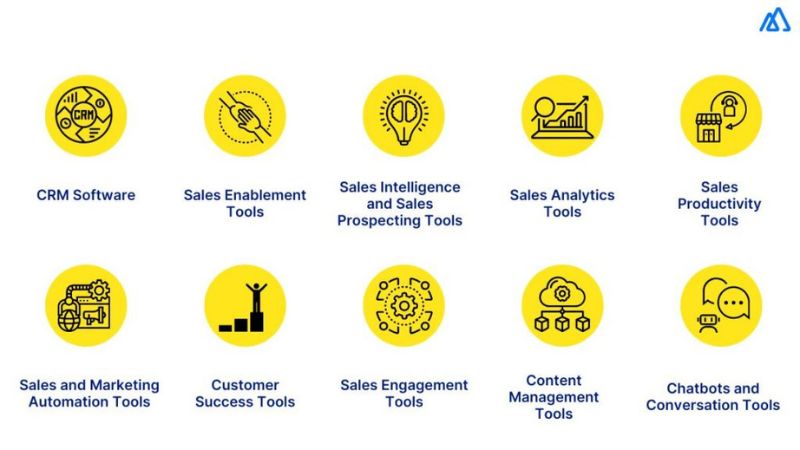
Sales Tools That Help Dealerships Work Smarter
In today’s automotive market, a strong sales team needs more than product knowledge and a friendly approach. The right sales tools can help dealerships respond to customers faster, manage inventory effectively, and make the buying process easier from the first inquiry to delivery.
What Are Sales Tools?
Sales tools include the software, resources, and processes that help a dealership connect with prospective buyers and guide them through a purchase. They can support online and in-person sales, organize customer information, present vehicles, and help staff keep track of follow-up tasks.
Tools for Managing Customer Relationships
A customer relationship management system, or CRM, helps organize leads and customer interactions in one place. Sales teams can use it to record inquiries, assign follow-up tasks, document conversations, and see where a customer is in the buying process. Consistent use of a CRM helps reduce missed opportunities and makes it easier to provide a personalized experience.
Automation can also help with routine communications, such as appointment reminders and follow-up messages. These features work best when messages are timely, accurate, and appropriate to the customer’s preferences. Staff should review automated workflows regularly and follow applicable privacy and communication requirements.
Inventory and Vehicle Presentation
Inventory tools can help staff monitor available vehicles, identify aging stock, and keep listings current. Accurate vehicle descriptions, clear photographs, and complete specifications make it easier for shoppers to compare options before visiting the dealership.
Online merchandising tools can also support vehicle listings across a dealership’s website and third-party platforms. Keeping prices, availability, features, and images consistent across channels helps build trust and reduces confusion for customers.
Pricing and Sales Desking
Pricing and desking tools help sales teams prepare and present purchase options. Depending on the system, these tools may bring together vehicle details, trade-in information, and available financing scenarios. They can help staff work efficiently, but they should support—not replace—clear explanations and sound judgment.
Every offer should be presented accurately and transparently. Staff should make sure customers understand the terms, fees, and assumptions involved, and should follow dealership policies and applicable laws.
Digital Retailing and Communication
Many shoppers begin their research online and expect to move between digital and in-person interactions with ease. Digital retailing tools may let customers explore inventory, request information, estimate payments, schedule appointments, or begin a purchase process online.
Phone, email, text, and chat tools can help sales teams respond to questions across multiple channels. A shared communication history makes it easier for staff to pick up a conversation without asking customers to repeat information. Prompt, helpful responses can make a meaningful difference in the customer experience.
Training and Performance Resources
Sales tools are most effective when employees know how to use them. Training should cover both the software and the sales practices it supports, including lead follow-up, product presentation, customer service, and accurate recordkeeping. Managers can use reporting features to identify coaching opportunities and understand where the sales process may need improvement.
Choosing the Right Tools
Before adopting a new system, consider the dealership’s needs, existing technology, ease of use, support options, and total cost. Ask how the tool will fit into current workflows and whether it can share information with other systems. A tool that is powerful but difficult to use may create extra work instead of solving a problem.
- Identify the specific challenge the tool should address.
- Involve the employees who will use it every day.
- Review data security, access controls, and privacy practices.
- Confirm that information can be kept accurate and up to date.
- Measure results after implementation and adjust as needed.
Technology Works Best with a Personal Touch
Sales tools can help dealerships stay organized and serve customers efficiently, but the relationship still matters most. Technology should make it easier for staff to listen, answer questions, and provide clear information—not create a barrier between the dealership and the customer. With thoughtful selection, regular training, and consistent use, sales tools can support a smoother experience for both buyers and dealership teams.
8 Key Benefits of Sales Tools for More Efficient Selling
- Organize customer leads.
- Speed up follow-ups.
- Keep inventory information current.
- Support consistent communication.
- Simplify sales tracking.
- Help personalize customer interactions.
- Improve team coordination.
- Make sales processes more efficient.
Key Drawbacks of Sales Tools: Costs, Training, Complexity, and Data Security
- Sales tools can be expensive to buy and maintain.
- Staff need training to use them effectively.
- Too many tools can complicate daily workflows.
- Customer data requires careful protection.
Organize customer leads.
Sales tools help dealerships organize customer leads by keeping contact details, inquiries, and follow-up history in one place. Sales staff can quickly see which customers need a response, assign leads to the right team member, and schedule timely follow-ups. This organization reduces the chance of missed opportunities and helps customers receive consistent, personalized service throughout the buying process.
Speed up follow-ups.
Sales tools help teams follow up with prospects quickly by organizing customer inquiries, tracking conversations, and reminding staff when it’s time to reach out. Templates and automated messages can make routine communication more efficient, while customer histories help salespeople tailor each response. Faster, more consistent follow-ups can keep shoppers engaged and make it easier to move the sales process forward.
Keep inventory information current.
Sales tools help dealerships keep inventory information current across their website, online listings, and sales systems. When vehicle availability, pricing, features, and photos are updated promptly, customers can make informed decisions and avoid surprises. Accurate listings also save staff time by reducing questions about vehicles that have already sold or details that have changed.
Support consistent communication.
Sales tools help teams maintain consistent communication by keeping customer details, conversation history, and follow-up reminders organized in one place. This makes it easier for staff to provide timely, accurate responses across phone, email, text, and in-person interactions. With a shared view of each customer’s needs and previous conversations, team members can avoid repeated questions, follow through on commitments, and deliver a more seamless experience.
Simplify sales tracking.
Sales tools simplify sales tracking by bringing leads, customer interactions, follow-up tasks, and deal progress into one organized system. Instead of relying on scattered notes or spreadsheets, teams can quickly see which opportunities need attention, monitor progress toward goals, and spot patterns in sales activity. This clearer view helps salespeople stay organized and enables managers to make timely, informed decisions.
Help personalize customer interactions.
Sales tools help dealerships personalize customer interactions by organizing information about each shopper’s preferences, vehicle interests, and previous conversations. With this context, sales staff can offer relevant recommendations, answer questions more thoughtfully, and follow up in ways that fit the customer’s needs. A more tailored experience can make buyers feel understood and help build trust throughout the purchasing process.
Improve team coordination.
Sales tools improve team coordination by keeping customer details, conversations, and next steps organized in one shared place. When sales staff can see who has contacted a customer, what was discussed, and which tasks are still outstanding, they can hand off leads smoothly and avoid duplicate or missed follow-ups. This shared visibility helps the team work consistently, respond more quickly, and provide customers with a more seamless experience.
Make sales processes more efficient.
Sales tools make sales processes more efficient by organizing customer information, automating routine tasks, and helping teams track leads and follow-ups in one place. With less time spent on manual paperwork and searching for details, sales staff can respond to customers sooner, focus on meaningful conversations, and move opportunities through the sales process more smoothly.
Sales tools can be expensive to buy and maintain.
Sales tools can be expensive to buy and maintain, especially when a business needs multiple platforms or advanced features. In addition to upfront costs, expenses may include subscriptions, implementation, staff training, technical support, and ongoing upgrades. For smaller businesses, these costs can strain budgets, so it’s important to compare options and make sure a tool’s benefits justify its total cost.
Staff need training to use them effectively.
Sales tools can improve efficiency, but staff need proper training to use them effectively. Without clear instruction and time to practice, employees may overlook useful features, enter information incorrectly, or rely on workarounds that slow down the sales process. Ongoing training helps teams use the tools consistently and get the full benefit from their investment.
Too many tools can complicate daily workflows.
Using too many sales tools can make daily workflows more complicated instead of more efficient. When employees have to switch between multiple platforms, enter the same information in different places, or remember separate processes, tasks take longer and important details can be missed. Choosing tools that integrate well and clearly support the team’s needs can reduce friction and help keep the sales process organized.
Customer data requires careful protection.
Sales tools often store sensitive customer information, including contact details, purchase history, and financing data, so protecting that information requires careful attention. Dealerships need secure systems, clear access controls, regular employee training, and well-defined data-handling practices to reduce the risk of unauthorized access or data breaches. If customer data is mishandled, the consequences can include financial harm, loss of trust, and legal or regulatory problems.
Related Post

Exploring the Thrilling World of Automotive Events
The Thrilling World of Automotive Events Automotive events are more than just gatherings for car [...]
Navigating the New York DMV: Services, Online Options, and Road Safety
New York DMV The New York Department of Motor Vehicles (DMV) The New York Department [...]