
Certified Financial Planner Training Online: Your Guide to Getting Started
Certified Financial Planner Training Online: What to Know Before You Enroll
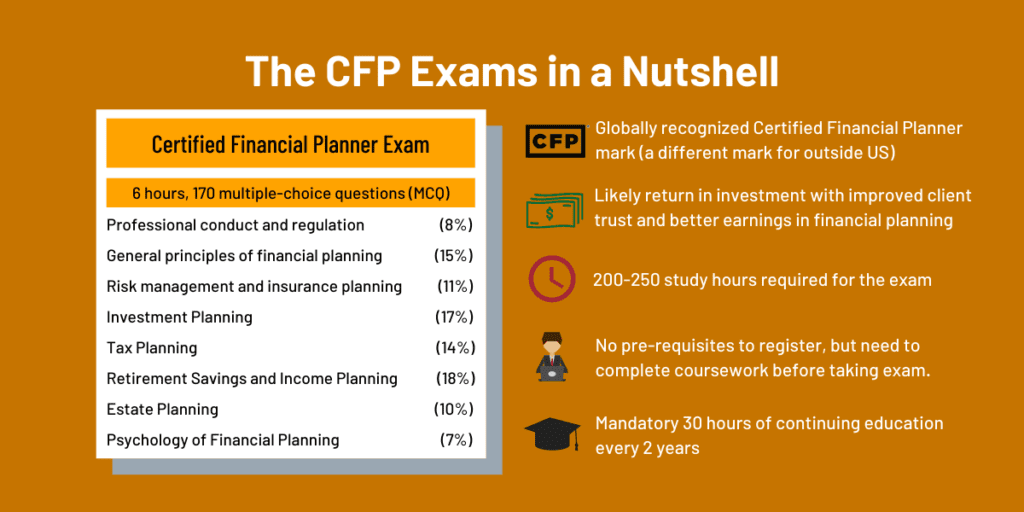
Online training can be a flexible way to prepare for a career as a financial planner. Programs may help students build knowledge in areas such as investment planning, retirement, taxes, insurance, estate planning, and professional conduct. But completing an online course alone does not make someone a Certified Financial Planner™ professional. CFP® certification involves education, an exam, qualifying professional experience, and an ethics review.
What Is CFP® Certification?
CFP® certification is a professional credential for financial planners in the United States. The CFP® marks are granted by the Certified Financial Planner Board of Standards, Inc. (CFP Board). Certification is intended to show that a planner has met the board’s requirements and agreed to follow its standards of professional conduct.
When researching online training, make sure you understand the difference between a general financial planning course and a CFP Board-registered education program. A course may teach useful skills without fulfilling the education requirement for CFP® certification.
How Online CFP® Training Works
Many CFP Board-registered programs offer online coursework, either entirely remotely or in a hybrid format. Depending on the provider, students may study through recorded lessons, live virtual classes, readings, practice questions, and instructor support. Some programs are self-paced, while others follow a set schedule.
Online delivery can make it easier to study while working or managing other commitments. It still requires consistent effort: students need to keep up with lessons, practice applying concepts, and allow time to prepare for the CFP® exam.
Key Steps Toward CFP® Certification
Requirements can change, so check the latest guidance directly with CFP Board. In general, the certification process includes the following:
- Complete the required education. Finish a CFP Board-registered education program or meet the applicable coursework requirement through another approved pathway.
- Pass the CFP® exam. The exam assesses the ability to apply financial planning knowledge to client situations. Confirm current exam dates, registration details, and testing arrangements with CFP Board.
- Meet the experience requirement. Candidates must document qualifying professional experience under the pathway and rules recognized by CFP Board.
- Complete the degree requirement. A bachelor’s degree or higher is required for certification, though candidates may be able to complete it within the timeframe allowed by CFP Board.
- Meet ethics and fitness standards. Candidates must agree to CFP Board’s ethics requirements and complete the required background and certification review.
How to Choose an Online Training Program
Comparing programs carefully can help you find one that fits your learning style, schedule, and budget. Consider these factors before enrolling:
- Registration status: Verify whether the program is CFP Board-registered and whether it satisfies the education requirement you need.
- Course format: Decide whether you prefer live instruction, recorded classes, self-paced study, or a combination.
- Instructor access: Find out whether you can ask questions, attend review sessions, or receive feedback on practice work.
- Exam preparation: Check what practice questions, mock exams, study plans, and review materials are included.
- Schedule and duration: Make sure the course workload is realistic alongside your job and other responsibilities.
- Total cost: Ask about tuition, textbooks, exam-preparation materials, technology fees, and any other charges. Exam fees may be separate.
- Student support: Look for advising, technical help, and clear information about enrollment and completion requirements.
Benefits and Challenges of Studying Online
Online training can offer flexibility, eliminate a commute, and provide access to programs beyond your local area. It may be especially useful for career changers and working professionals who need to fit study time around existing commitments.
However, online learning also calls for self-discipline. Without a regular classroom routine, it can be easy to fall behind. Setting weekly study hours, tracking deadlines, and joining a study group can help maintain momentum. Students who prefer frequent, in-person interaction may want to consider a hybrid program or one with live online instruction.
Is Online CFP® Training Right for You?
Online training may be a good fit if you are comfortable learning independently, can set aside regular study time, and want flexibility in where and when you learn. Before choosing a program, review CFP Board’s current certification requirements and confirm in writing how the course applies to your specific education pathway.
With careful planning, an appropriate education program, and steady preparation, online study can be a practical step toward a career in financial planning. For current requirements and official program information, consult CFP Board at cfp.net.
9 Benefits of Online Certified Financial Planner Training
- Study from anywhere.
- Learn on a flexible schedule.
- Balance training with work.
- Access lessons online.
- Review materials at your own pace.
- Choose from diverse programs.
- Save time on commuting.
- Build essential planning knowledge.
- Prepare for the CFP® exam.
Online CFP Training Drawbacks: Self-Discipline Requirements, Limited In-Person Interaction, and Extra Exam Prep Costs
- Requires strong self-discipline.
- Offers less in-person interaction.
- May involve extra costs for exam prep.
Study from anywhere.
One of the biggest advantages of online Certified Financial Planner™ training is the freedom to study from anywhere. Whether you’re at home, traveling, or taking a break at work, you can access course materials wherever you have an internet connection. This flexibility makes it easier to fit coursework around your job, family responsibilities, and other commitments—without relocating or commuting to a classroom.
Learn on a flexible schedule.
Online certified financial planner training lets you study at times that fit your schedule, making it easier to balance coursework with work, family, and other commitments. Depending on the program, you can review recorded lessons when it’s convenient, set your own pace, and build a study routine that works for you. This flexibility can help you stay consistent as you prepare for a career in financial planning.
Balance training with work.
Online certified financial planner training can make it easier to balance professional development with a full-time job. Flexible schedules, recorded lessons, and self-paced coursework let you study around work hours and other commitments, while still making steady progress toward your financial planning goals. Planning dedicated study time each week can help you stay on track without putting your career on hold.
Access lessons online.
One major advantage of online certified financial planner training is the ability to access lessons online whenever it fits your schedule. Students can review course materials from home, work, or while traveling, and revisit challenging topics as often as needed. This flexibility makes it easier to balance exam preparation with work and other commitments.
Review materials at your own pace.
One of the biggest advantages of certified financial planner training online is the ability to review materials at your own pace. You can revisit complex topics, replay lessons, and spend extra time on areas that need more attention without feeling rushed. This flexibility makes it easier to fit studying around work and personal commitments while building a stronger understanding of financial planning concepts.
Choose from diverse programs.
Online certified financial planner training gives aspiring professionals a wide range of programs to choose from, making it easier to find an option that fits their schedule, learning style, and career goals. Programs may offer self-paced lessons, live virtual classes, instructor support, or focused exam-preparation resources. Comparing options can help you select a CFP Board-registered program that meets your education needs and works with your budget and commitments.
Save time on commuting.
Online certified financial planner training can save valuable time by eliminating the daily commute to a classroom. You can study from home or another convenient location, giving you more time for coursework, work, family, or personal commitments.
Build essential planning knowledge.
Online certified financial planner training helps students build essential planning knowledge across topics such as investments, retirement, taxes, insurance, and estate planning. By studying how these areas connect, aspiring financial planners can develop a stronger foundation for understanding clients’ financial needs and creating well-rounded plans.
Prepare for the CFP® exam.
Online certified financial planner training can help you prepare for the CFP® exam with structured lessons, practice questions, and review materials covering key financial planning topics. Flexible online access also lets you study at a pace and schedule that work for you, making it easier to revisit challenging concepts and build confidence before exam day. Check that the program meets your education needs and confirm current exam requirements with CFP Board.
Requires strong self-discipline.
Online certified financial planner training offers flexibility, but that freedom requires strong self-discipline. Without a fixed classroom schedule, it’s up to you to set aside regular study time, meet deadlines, and keep progressing through the material. Balancing coursework with work and personal commitments can be challenging, so creating a consistent study routine and tracking your goals can help you stay on course.
Offers less in-person interaction.
One drawback of certified financial planner training online is the reduced opportunity for in-person interaction. Students may have fewer chances to ask questions face-to-face, learn through live discussions, or build relationships with instructors and classmates. While virtual office hours, discussion boards, and study groups can help fill the gap, they may not offer the same spontaneous conversations and networking opportunities as an in-person program.
May involve extra costs for exam prep.
One potential downside of certified financial planner training online is the added cost of preparing for the CFP® exam. Tuition may not include review courses, practice exams, textbooks, or other study materials, so students may need to budget for these separately. Before enrolling, compare what each program includes and check for additional fees to estimate the full cost.
Related Post

Unlocking the Power of Auto Resources: Your Guide to Automotive Empowerment
The Ultimate Guide to Auto Resources: Everything You Need to Know Whether you’re a car [...]