How to Build an Effective Compliance Program for Your Dealership
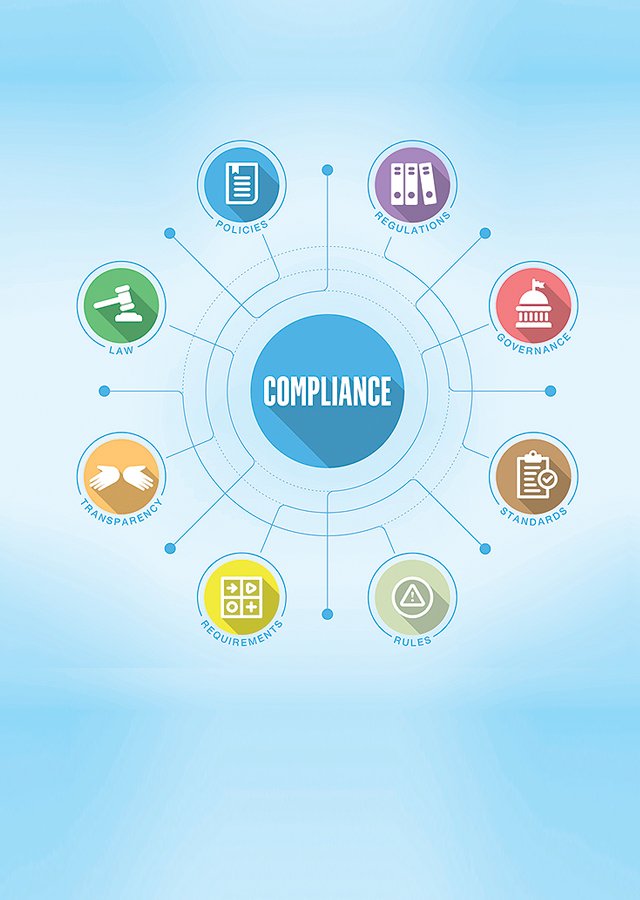
Building an Effective Compliance Program for Your Dealership
A strong compliance program helps an independent automobile dealership meet its legal obligations, protect customers, and reduce operational risk. It also gives employees practical guidance for handling everyday responsibilities—from advertising and sales paperwork to customer information and vehicle records.
Compliance is not a one-time project or a binder on a shelf. Laws and business practices change, so a useful program should be part of the dealership’s routine operations and reviewed regularly.
Start with the Rules That Apply to Your Business
Dealership requirements can depend on the vehicles you sell, the services you provide, and how transactions are structured. New York dealers may need to consider state requirements involving licensing, vehicle records, disclosures, advertising, sales tax, title and registration procedures, and consumer protection. Federal requirements may also apply, including rules related to used-vehicle disclosures, customer privacy, credit transactions, and information security.
Not every rule applies to every dealership in the same way. For example, certain privacy and security requirements may depend on whether a dealership’s activities make it subject to rules governing financial institutions or creditors. Identify the laws and regulations relevant to your operations, and consult qualified legal or compliance professionals when you need help interpreting them.
Establish Clear Policies and Procedures
Written policies turn legal requirements into steps employees can follow. A dealership’s compliance materials may cover:
- Advertising and sales representations, including online listings and pricing
- Required vehicle disclosures and customer paperwork
- Credit applications, financing, and handling of customer information
- Title, registration, tax, and recordkeeping procedures
- Complaint handling and escalation
- Document retention and secure disposal
- Vendor access to dealership systems and customer data
Keep procedures specific and easy to use. Employees should know what to do, which forms or systems to use, and whom to contact when a situation is unclear.
Assign Responsibility and Train Employees
Designate a person or team to coordinate compliance activities. The role might include maintaining policies, tracking regulatory updates, organizing training, and documenting issues and corrective actions. Responsibility should be clear, but compliance remains a shared duty across the dealership.
Provide training when employees start and refresh it regularly. Training should reflect their roles: sales staff may need guidance on disclosures and advertising, while finance and administrative staff may need more detailed procedures for credit documents, customer data, and recordkeeping. Keep records of training dates, topics, and participation.
Protect Customer Information
Dealerships may collect sensitive information during sales, financing, service, and other interactions. Limit access to information based on employees’ job responsibilities, use secure systems, and establish procedures for handling, storing, sharing, and disposing of records. Review how vendors access dealership data, and make sure employees know how to report a suspected security incident.
Dealerships should assess which federal and state privacy and security requirements apply to their operations. If a specific rule applies, follow its requirements for written safeguards, risk assessments, training, service-provider oversight, and incident response.
Monitor Transactions and Keep Good Records
Periodic reviews can help uncover missing documents, inconsistent practices, or outdated procedures before they become larger problems. Depending on the dealership, reviews may include a sample of sales files, advertisements, customer complaints, title and registration records, and information-security practices.
Document what was reviewed, what was found, and how issues were addressed. Good records can help the dealership demonstrate that it takes compliance seriously and follows through on necessary changes.
Make Reporting and Correction Part of the Culture
Employees should have a straightforward way to raise concerns without fear of retaliation. Respond promptly, keep appropriate records, and investigate issues consistently. If a problem is confirmed, correct it, consider whether customers or regulators must be notified, and update training or procedures to help prevent a recurrence.
Review the Program Regularly
Review the compliance program at least annually and whenever the dealership changes its operations, systems, products, or vendors. A useful review asks whether policies are current, employees understand them, records are complete, and identified problems are being resolved.
A Practical Investment in the Business
An effective compliance program supports responsible dealership operations and helps build customer trust. By identifying applicable requirements, setting clear procedures, training employees, protecting information, and reviewing results, a dealership can make compliance an everyday practice—not just a response to a problem.
This article is for general informational purposes only and is not legal advice. Dealerships should confirm which requirements apply to their specific operations and seek qualified professional guidance when needed.
9 Essential Tips for Building an Effective Compliance Program
- Assign clear ownership for compliance responsibilities.
- Keep policies current and easy to find.
- Train employees regularly on relevant requirements.
- Provide a confidential way to report concerns.
- Protect reporters from retaliation.
- Assess risks and update controls regularly.
- Document decisions, training, and investigations.
- Investigate concerns promptly and fairly.
- Review program effectiveness and address gaps.
Assign clear ownership for compliance responsibilities.
Assign clear ownership for compliance responsibilities so employees know who is responsible for maintaining policies, tracking regulatory changes, coordinating training, and addressing potential issues. A designated compliance lead can help keep these tasks organized, but every employee should understand their role and know where to turn with questions or concerns.
Keep policies current and easy to find.
Keep compliance policies current and easy to find so employees can rely on them when questions arise. Review them regularly and update them when laws, dealership procedures, or business systems change. Store the latest versions in a shared, clearly labeled location, and let staff know where to access them. Clear, up-to-date policies make it easier for everyone to follow consistent procedures and handle issues appropriately.
Train employees regularly on relevant requirements.
Train employees regularly on the compliance requirements that apply to their roles. Cover practical topics such as customer disclosures, advertising, recordkeeping, and safeguarding personal information, and update training when laws, dealership procedures, or systems change. Keep a record of completed training and give employees a clear way to ask questions or report concerns.
Provide a confidential way to report concerns.
Provide employees with a confidential, easy-to-use way to report compliance concerns, such as a dedicated phone line, secure online form, or designated contact. Clearly explain how reports are handled, prohibit retaliation against anyone who raises a concern in good faith, and investigate reports promptly and consistently. A trusted reporting process can help the dealership identify and address problems before they grow.
Protect reporters from retaliation.
Protect employees who report suspected violations from retaliation. Make it clear that concerns can be raised in good faith without fear of punishment, reduced hours, demotion, or other adverse treatment. Provide a confidential reporting option where practical, limit access to reports to those who need to review them, and investigate concerns fairly and promptly. Train managers to respond appropriately, document follow-up, and take corrective action if retaliation occurs.
Assess risks and update controls regularly.
Assessing risks regularly helps your dealership spot changes in laws, technology, staffing, and business practices that could create compliance gaps. Review key processes—such as advertising, sales documentation, customer-data handling, and recordkeeping—to identify where errors or violations are most likely. Then update policies, training, and other controls to address those risks, and check that the changes are working. Make risk reviews part of your routine and revisit them whenever your operations or requirements change.
Document decisions, training, and investigations.
Document key compliance activities, including decisions, employee training, and investigations. Clear, dated records show why a decision was made, who received training, and how concerns were reviewed and resolved. Consistent documentation helps identify recurring issues, supports follow-up, and demonstrates that your dealership takes its compliance responsibilities seriously.
Investigate concerns promptly and fairly.
Investigate compliance concerns promptly and fairly, regardless of who raises them or who may be involved. A consistent process should protect confidentiality as much as practical, give everyone involved an opportunity to share relevant information, and document the steps taken and the outcome. Address confirmed issues with appropriate corrective action, and remind employees that concerns should be reported without fear of retaliation.
Review program effectiveness and address gaps.
Regularly review your compliance program to confirm that its policies and procedures are working as intended. Check whether employees understand and follow them, review records and reported issues, and look for recurring problems or changes in your business that may create new risks. When you find a gap, assign responsibility for fixing it, set a clear deadline, and update training or procedures as needed. Documenting both the review and corrective actions helps keep the program current and accountable.
Related Post
Understanding the Significance of Dealer Licensing in the Automotive Industry
The Importance of Dealer Licensing in the Automotive Industry The Importance of Dealer Licensing in [...]
Mastering Money Management Training for Financial Success
The Importance of Money Management Training The Importance of Money Management Training Money management is [...]