Maximizing Value: The Trade-In Vehicle Advantage
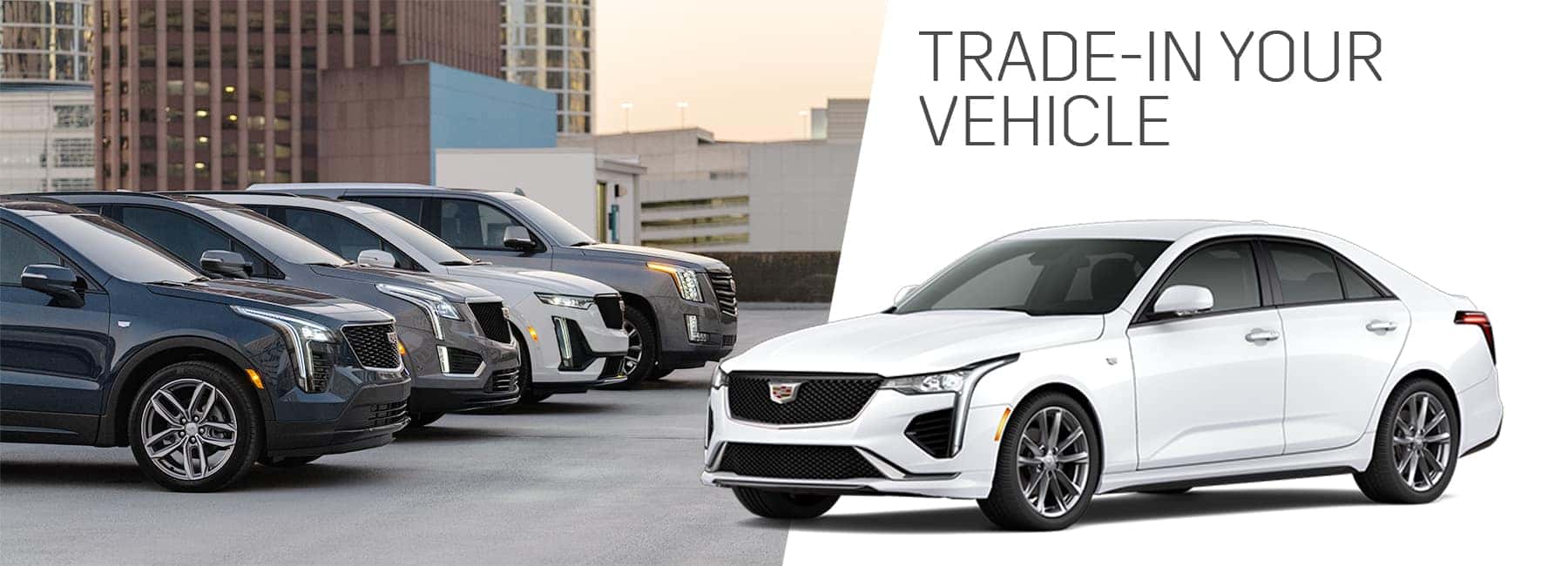
The Benefits of Trading in Your Vehicle
When it comes time to upgrade your vehicle, one option to consider is trading in your current vehicle. Trading in a vehicle involves selling your old car to the dealership when purchasing a new one. This process offers several benefits that can make the car-buying experience smoother and more cost-effective.
Convenience
One of the primary advantages of trading in your vehicle is convenience. Instead of dealing with the hassle of selling your car privately, which can involve advertising, negotiating with potential buyers, and handling paperwork, trading in your vehicle at the dealership simplifies the process. You can complete the transaction in one place and often on the same day you purchase your new car.
Financial Incentives
Another benefit of trading in your vehicle is financial incentives. Dealerships are typically willing to offer competitive trade-in values for used cars because they can refurbish and resell them on their lots. This can help offset the cost of your new vehicle purchase or be applied towards a down payment, reducing your overall expenses.
Sales Tax Savings
When you trade in your vehicle at a dealership, you may also benefit from sales tax savings. In many states, including New York, you only pay sales tax on the price difference between your trade-in value and the new car’s purchase price. This can result in significant savings compared to selling privately and paying sales tax on the full amount.
Streamlined Process
Trading in your vehicle also streamlines the car-buying process. Dealerships have experience handling trade-ins and can efficiently assess your car’s value, complete necessary paperwork, and apply any trade-in credit towards your new purchase. This saves you time and effort compared to selling independently.
Conclusion
In conclusion, trading in your vehicle when purchasing a new car offers numerous benefits, including convenience, financial incentives, sales tax savings, and a streamlined process. If you’re looking to upgrade your ride, consider trading in your current vehicle at a reputable dealership for a smoother and more cost-effective transaction.
9 Essential Tips for Maximizing Your Vehicle Trade-In Value
- Research the market value of your vehicle before negotiating a trade-in
- Clean and detail your vehicle to maximize its resale value
- Keep maintenance records to show that the vehicle has been well-maintained
- Consider selling your vehicle privately for potentially higher returns
- Be prepared to negotiate the trade-in value separately from the new car price
- Understand how trading in a vehicle affects your taxes and financing options
- Don’t forget to transfer or cancel insurance on the traded-in vehicle
- Review all paperwork carefully before signing any trade-in agreements
- Ask questions if you’re unsure about any aspect of the trade-in process
Research the market value of your vehicle before negotiating a trade-in
Before negotiating a trade-in for your vehicle, it is essential to research the market value of your car. Understanding the current market value of your vehicle gives you leverage during negotiations with the dealership. By being informed about your car’s worth, you can ensure that you receive a fair trade-in offer and maximize the value of your trade-in transaction. Conducting thorough research on your vehicle’s market value empowers you to make informed decisions and secure the best deal possible when trading in your car.
Clean and detail your vehicle to maximize its resale value
Ensuring that your vehicle is clean and detailed before trading it in can significantly impact its resale value. A well-maintained and spotless car not only presents better to potential buyers but also signals that the vehicle has been cared for and is in good condition. By investing in professional detailing or taking the time to clean the interior and exterior thoroughly, you can enhance the appeal of your car and potentially negotiate a higher trade-in value. Remember, first impressions matter, and a clean vehicle can make a positive difference when it comes to maximizing your return on investment during a trade-in transaction.
Keep maintenance records to show that the vehicle has been well-maintained
Keeping maintenance records for your vehicle is a valuable tip when considering a trade-in. These records serve as proof that the vehicle has been well-maintained and cared for over time. By documenting regular maintenance such as oil changes, tire rotations, and other services, you can demonstrate to the dealership that the car is in good condition and has been serviced properly. This can potentially increase the trade-in value of your vehicle and make the transaction smoother.
Consider selling your vehicle privately for potentially higher returns
When contemplating trading in your vehicle, it’s worth considering selling it privately to potentially secure higher returns. While trading in at a dealership offers convenience and ease, selling your car independently can often result in a better financial outcome. By marketing your vehicle directly to buyers, you have the opportunity to negotiate a higher selling price and maximize your return on investment. Though it may require more effort in terms of advertising and handling the sales process, selling your vehicle privately can be a lucrative option for those looking to get the most value out of their car.
Be prepared to negotiate the trade-in value separately from the new car price
When considering a trade-in vehicle, it is essential to be prepared to negotiate the trade-in value separately from the new car price. Dealerships may try to bundle the trade-in value with the new car price to make it seem like you are getting a better deal. By negotiating these two aspects separately, you can ensure that you are getting a fair value for your trade-in vehicle and not just a perceived discount on the new car. This approach allows for transparency in the transaction and gives you more control over each component of the deal.
Understand how trading in a vehicle affects your taxes and financing options
When considering trading in a vehicle, it is crucial to understand how this decision can impact your taxes and financing options. Trading in a vehicle may have implications on the sales tax you pay for your new car, as well as how much you can finance for your purchase. By knowing the tax savings and financial benefits that come with trading in a vehicle, you can make informed decisions that help maximize your savings and streamline the car-buying process.
Don’t forget to transfer or cancel insurance on the traded-in vehicle
When trading in your vehicle, it is crucial not to overlook the importance of transferring or canceling insurance on the traded-in vehicle. Failing to address this step can lead to unnecessary expenses and complications. By promptly updating your insurance policy to reflect the trade-in, you can ensure that you are adequately covered and avoid paying for insurance on a vehicle you no longer own. This simple yet essential tip can help streamline the trade-in process and prevent any potential issues down the road.
Review all paperwork carefully before signing any trade-in agreements
It is crucial to review all paperwork carefully before signing any trade-in agreements when considering trading in your vehicle. By thoroughly examining the terms and conditions outlined in the agreement, you can ensure that you understand the trade-in value offered, any additional fees or charges, and the overall terms of the transaction. Taking the time to review and clarify any uncertainties before signing can help prevent misunderstandings or unexpected costs down the line, ensuring a smooth and transparent trade-in process.
Ask questions if you’re unsure about any aspect of the trade-in process
When considering trading in your vehicle, it is essential to ask questions if you are unsure about any aspect of the trade-in process. Clarifying details such as how your car’s value is determined, what factors affect the trade-in value, and how the trade-in credit will be applied can help you make informed decisions and ensure a fair transaction. By seeking clarification and understanding the trade-in process thoroughly, you can navigate the transaction with confidence and maximize the benefits of trading in your vehicle.
Related Post