Navigating Different License Classes: A Comprehensive Guide
Understanding Different License Classes
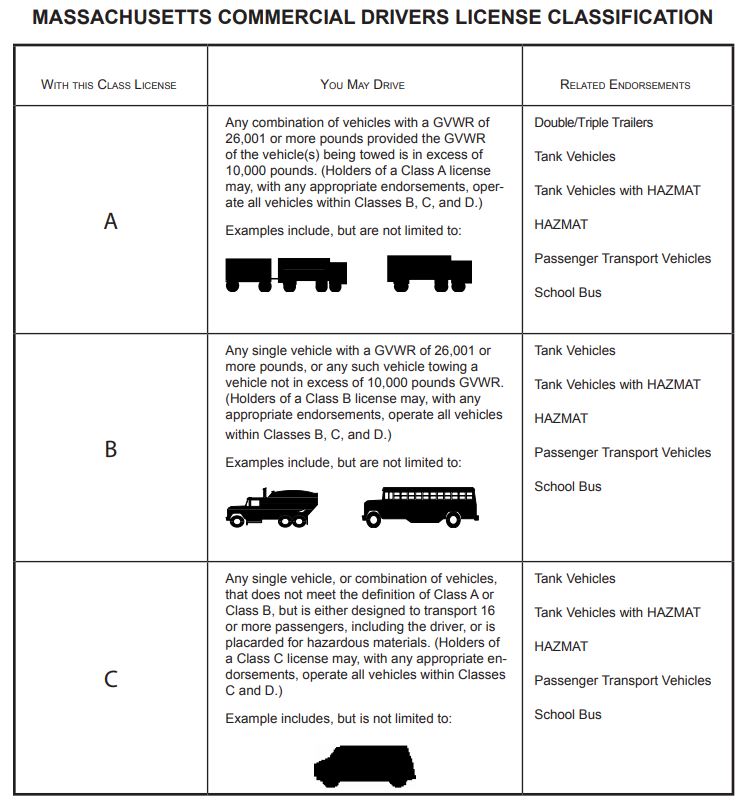
When it comes to driving legally on the roads, having the appropriate driver’s license is essential. In most countries, including the United States, driver’s licenses are categorized into different classes based on the type of vehicle you are allowed to operate. Let’s take a closer look at some common license classes:
Class A License
A Class A license typically allows you to operate vehicles with a gross combination weight rating (GCWR) of 26,001 pounds or more, provided that the towed vehicle weighs over 10,000 pounds. This class is required for driving tractor-trailers, truck and trailer combinations, tanker vehicles, and other large commercial vehicles.
Class B License
A Class B license is usually needed for operating single vehicles with a GVWR of 26,001 pounds or more. This class covers buses, dump trucks, tow trucks, and other heavy vehicles that do not fall under the Class A category.
Class C License
A Class C license is the most common type of driver’s license and is required for operating regular passenger cars and light trucks. This class may also cover certain types of commercial vehicles that do not fit into Class A or B categories.
Endorsements
In addition to the basic license classes, drivers may need endorsements to operate specific types of vehicles or transport certain types of cargo. For example, an endorsement may be required for driving a school bus or carrying hazardous materials.
It is important to understand the different license classes and endorsements to ensure that you are legally allowed to operate the vehicles you intend to drive. Be sure to check with your local Department of Motor Vehicles for specific requirements in your state.
8 Essential Tips for Navigating License Classes and Advancing Your Career
- Research the different license classes available in your area.
- Understand the requirements for each license class before applying.
- Consider your future career goals when choosing a license class.
- Ensure you meet the qualifications for the desired license class.
- Prepare thoroughly for any exams or assessments required for the license class.
- Stay informed about any updates or changes to licensing regulations in your field.
- Seek advice from professionals who hold the license class you are interested in.
- Maintain good standing and compliance with regulations after obtaining your license.
Research the different license classes available in your area.
To ensure that you have the correct driver’s license for your needs, it is crucial to research the various license classes available in your area. Understanding the distinctions between Class A, Class B, and Class C licenses, as well as any necessary endorsements, will help you determine the appropriate type of license for the vehicles you plan to operate. By conducting thorough research and consulting with your local Department of Motor Vehicles, you can make informed decisions about obtaining the right license class to comply with legal requirements and safely drive on the roads.
Understand the requirements for each license class before applying.
Before applying for a driver’s license, it is crucial to understand the specific requirements for each license class. Whether you are aiming for a Class A, Class B, or Class C license, knowing the criteria and restrictions associated with each class will help you navigate the application process more effectively. By familiarizing yourself with the requirements in advance, you can ensure that you meet all necessary qualifications and avoid any potential setbacks in obtaining the appropriate license for your driving needs.
Consider your future career goals when choosing a license class.
When deciding on a license class, it is crucial to consider your future career goals. Each license class opens up different opportunities in terms of the types of vehicles you can operate and the industries you can work in. By aligning your license choice with your career aspirations, you can set yourself on a path that maximizes your potential for growth and success. Whether you aim to become a long-haul truck driver, a bus operator, or a delivery driver, choosing the right license class can be a strategic step towards achieving your professional objectives.
Ensure you meet the qualifications for the desired license class.
When pursuing a specific license class, it is crucial to ensure that you meet all the qualifications and requirements set for that class. Whether aiming for a Class A, B, or C license, understanding and fulfilling the criteria beforehand will save you time and effort in the application process. By verifying that you meet the necessary qualifications for your desired license class, you can proceed confidently and avoid any potential setbacks or delays in obtaining your driver’s license.
Prepare thoroughly for any exams or assessments required for the license class.
To successfully obtain a driver’s license for a specific class, it is crucial to thoroughly prepare for any exams or assessments that may be required. Studying the relevant materials, such as traffic laws, regulations, and vehicle operation guidelines, can significantly increase your chances of passing the tests with confidence. Practice tests and mock assessments can also help you familiarize yourself with the format and types of questions you may encounter. By dedicating time and effort to preparation, you not only enhance your knowledge and skills but also ensure that you meet the necessary requirements to obtain the desired license class.
Stay informed about any updates or changes to licensing regulations in your field.
Staying informed about any updates or changes to licensing regulations in your field is crucial for maintaining compliance and staying current with industry standards. By keeping abreast of any modifications to license classes and requirements, you can ensure that you possess the necessary qualifications to operate specific vehicles or perform certain tasks within your profession. Regularly checking for updates and seeking clarification on any changes can help you avoid potential penalties or restrictions and demonstrate your commitment to professionalism and safety in your field.
Seek advice from professionals who hold the license class you are interested in.
Seeking advice from professionals who already hold the license class you are interested in can provide valuable insights and guidance. These individuals have firsthand experience navigating the requirements, responsibilities, and challenges associated with that specific license class. By consulting with them, you can gain practical tips, understand potential pitfalls to avoid, and receive personalized advice tailored to your goals. Their expertise can help you make informed decisions and better prepare for obtaining and utilizing the desired license class effectively.
Maintain good standing and compliance with regulations after obtaining your license.
After obtaining your driver’s license, it is crucial to maintain good standing and compliance with regulations to ensure continued legal driving privileges. This includes adhering to traffic laws, renewing your license on time, and staying informed about any updates or changes in regulations. By staying in good standing and following the rules, you not only protect yourself and others on the road but also preserve your ability to drive safely and responsibly.
Related Post
Optimize Your Ford Experience with Professional Ford Service
The Importance of Ford Service The Importance of Ford Service When it comes to maintaining [...]
Maximizing the Potential of Technology Resources: A Guide to Success
Exploring Technology Resources The Importance of Technology Resources in Today’s World Technology has become an [...]