
Unlocking Success: The Power of Financial Advising Certifications
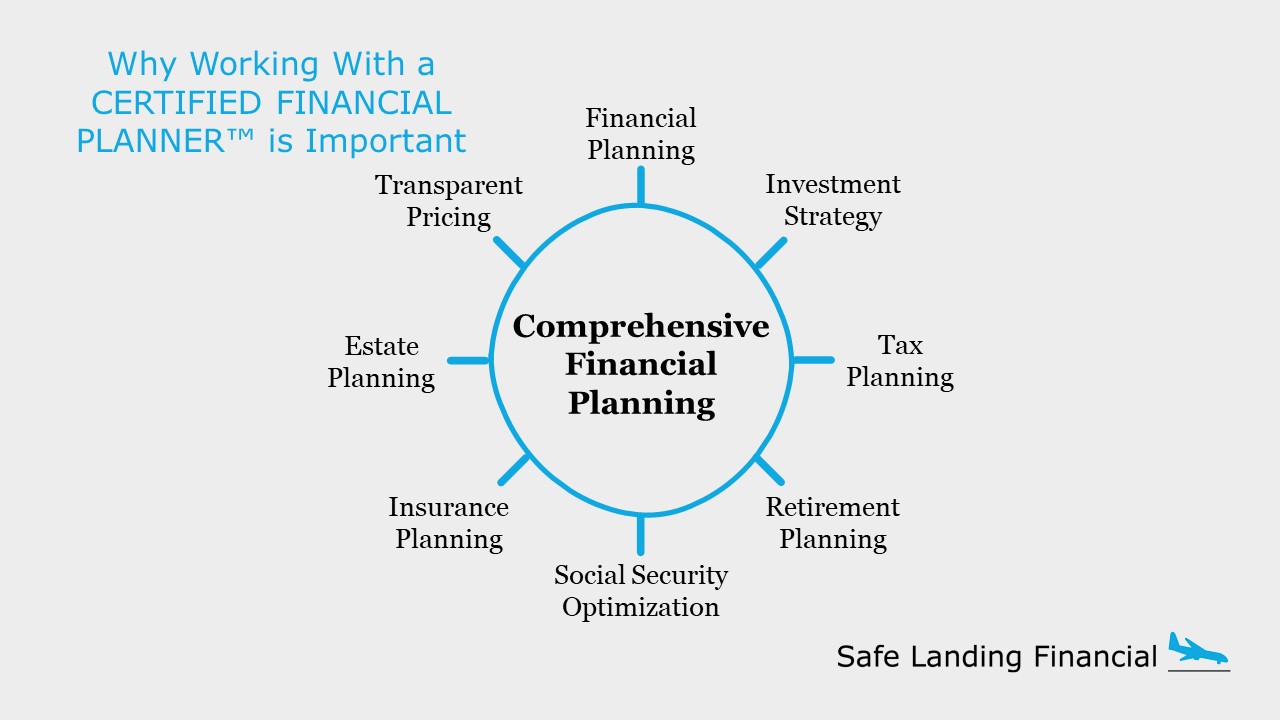
The Importance of Financial Advising Certifications
Financial advising certifications play a crucial role in the industry, providing professionals with the knowledge, skills, and credibility needed to excel in their careers. These certifications are not just badges of honor but essential tools that demonstrate a commitment to excellence and ongoing professional development.
Enhanced Expertise
Obtaining a financial advising certification requires rigorous training and examination, ensuring that professionals have a deep understanding of financial principles, investment strategies, risk management, and regulatory compliance. This specialized knowledge equips advisors to provide informed guidance to their clients and make sound recommendations tailored to individual financial goals.
Credibility and Trust
Certifications such as Certified Financial Planner (CFP), Chartered Financial Analyst (CFA), or Certified Investment Management Analyst (CIMA) signal to clients and employers that an advisor has met stringent educational and ethical standards. These credentials instill confidence in the advisor’s expertise and integrity, building trust with clients and enhancing the advisor’s reputation in the industry.
Career Advancement
Financial advising certifications open doors to new opportunities and career advancement. Employers often prioritize candidates with recognized certifications when hiring or promoting financial advisors. These credentials can set professionals apart in a competitive job market and pave the way for higher earning potential and leadership roles within financial firms.
Compliance and Regulation
In an increasingly complex regulatory environment, financial advising certifications help professionals stay current on industry regulations, best practices, and ethical standards. Advisors with relevant certifications are better equipped to navigate compliance requirements, mitigate risks, and uphold fiduciary responsibilities when managing clients’ investments.
Continuous Learning
Maintaining a financial advising certification typically requires ongoing education and adherence to professional standards. This commitment to continuous learning ensures that advisors stay abreast of industry trends, emerging technologies, and evolving client needs. By staying current with their certification requirements, advisors can deliver value-added services and remain competitive in a rapidly changing financial landscape.
Conclusion
Financial advising certifications are more than just accolades—they are essential tools for success in the industry. By pursuing relevant certifications, financial advisors can enhance their expertise, build credibility with clients, advance their careers, navigate complex regulations, and demonstrate a commitment to lifelong learning. Investing in professional development through certifications is not only a wise choice for individual advisors but also a testament to their dedication to serving clients with integrity and excellence.
Top 8 FAQs About Financial Advising Certifications: CFA, CFP, and More
- Do I need a CFA to be a financial advisor?
- Which is better, CFP or CFA?
- What is the difference between a CFA and a CTFA?
- What certification is best for a financial advisor?
- How many financial advisors make $500,000 a year?
- Which is better CFP or CFA?
- Is CFP harder than CPA?
- What is the best financial advisor qualification?
Do I need a CFA to be a financial advisor?
The Chartered Financial Analyst (CFA) designation is highly respected in the finance industry for its rigorous curriculum and focus on investment management. While holding a CFA can certainly enhance your credentials as a financial advisor, it is not a strict requirement to practice in the field. Many financial advisors hold different certifications or licenses, such as Certified Financial Planner (CFP) or Chartered Investment Counselor (CIC), which also demonstrate expertise in financial planning and investment advisory services. Ultimately, the decision to pursue a CFA or other certifications depends on your career goals, specialization within the industry, and the specific requirements of the firms you wish to work with.
Which is better, CFP or CFA?
When considering whether the Certified Financial Planner (CFP) or Chartered Financial Analyst (CFA) certification is better, it’s essential to understand that they serve different purposes in the financial advising industry. The CFP designation is geared towards professionals who specialize in personal financial planning, including retirement planning, estate planning, and tax strategies for individual clients. On the other hand, the CFA designation is more focused on investment analysis and portfolio management, with an emphasis on securities analysis and valuation. The choice between CFP and CFA ultimately depends on one’s career goals and desired area of expertise within the financial advisory field.
What is the difference between a CFA and a CTFA?
The key difference between a Chartered Financial Analyst (CFA) and a Certified Trust and Financial Advisor (CTFA) lies in their areas of specialization and focus within the financial industry. While a CFA designation is geared towards professionals who excel in investment management, portfolio analysis, and financial modeling, a CTFA certification is tailored for individuals specializing in trust administration, estate planning, and fiduciary duties. CFAs typically work in roles related to investment research, asset management, or financial analysis, while CTFAs often serve as trust officers, estate planners, or wealth managers focusing on client relationships and wealth preservation strategies. Both certifications offer valuable expertise in the financial sector but cater to distinct aspects of wealth management and advisory services.
What certification is best for a financial advisor?
When considering the best certification for a financial advisor, it is essential to evaluate individual career goals, specialization areas, and the specific needs of clients. Several reputable certifications, such as Certified Financial Planner (CFP), Chartered Financial Analyst (CFA), and Certified Investment Management Analyst (CIMA), offer distinct advantages based on their focus areas and industry recognition. The CFP designation may be ideal for advisors seeking comprehensive financial planning expertise, while the CFA certification is well-suited for those specializing in investment analysis and portfolio management. On the other hand, the CIMA credential caters to professionals focusing on advanced investment strategies and risk management. Ultimately, the best certification for a financial advisor is one that aligns with their professional aspirations, enhances their skills and knowledge base, and resonates with their clients’ expectations for quality financial advice.
How many financial advisors make $500,000 a year?
The number of financial advisors making $500,000 a year is relatively low compared to the total population of financial advisors. Earnings in the financial advising industry can vary significantly based on factors such as experience, expertise, client base, geographic location, and market conditions. While some top-performing advisors may reach or exceed the $500,000 mark through successful client relationships and investment strategies, it remains a notable achievement that reflects a combination of skill, dedication, and market opportunities. Aspiring financial advisors should focus on building their knowledge, skills, and client base to work towards achieving their desired income levels in this competitive field.
Which is better CFP or CFA?
When considering whether the Certified Financial Planner (CFP) or Chartered Financial Analyst (CFA) certification is better, it is important to understand the distinct focus and objectives of each credential. The CFP designation is geared towards professionals who provide comprehensive financial planning services to individuals, covering areas such as retirement planning, estate planning, and tax strategies. On the other hand, the CFA designation is designed for investment professionals specializing in portfolio management, asset valuation, and financial analysis. Ultimately, the choice between CFP and CFA depends on one’s career goals, with CFP being ideal for those interested in holistic financial planning and client advisory roles, while CFA may be more suitable for individuals pursuing careers in investment management and analysis.
Is CFP harder than CPA?
The question of whether the Certified Financial Planner (CFP) certification is harder than the Certified Public Accountant (CPA) certification is a common inquiry among aspiring financial professionals. While both certifications require a significant level of dedication, commitment, and expertise in their respective fields, the difficulty of each certification can vary depending on individual strengths and backgrounds. The CFP certification focuses on financial planning, investment strategies, and client relationships, requiring a comprehensive understanding of personal finance principles. On the other hand, the CPA certification emphasizes accounting, auditing, taxation, and regulatory compliance. Ultimately, the perceived difficulty of each certification may differ based on an individual’s aptitude for financial planning versus accounting concepts.
What is the best financial advisor qualification?
When considering the best financial advisor qualification, it is essential to weigh various factors, including the specific needs of clients, the advisor’s area of expertise, and industry recognition. While certifications such as Certified Financial Planner (CFP), Chartered Financial Analyst (CFA), or Certified Investment Management Analyst (CIMA) are highly regarded in the field, the “best” qualification ultimately depends on individual goals and specialization. Advisors should prioritize certifications that align with their career objectives, demonstrate a commitment to ongoing education and ethical standards, and enhance their ability to provide comprehensive financial guidance tailored to clients’ unique circumstances. By selecting a qualification that resonates with their professional values and aspirations, financial advisors can position themselves for success in a competitive and ever-evolving industry.