Understanding Effective Market Research Methodologies
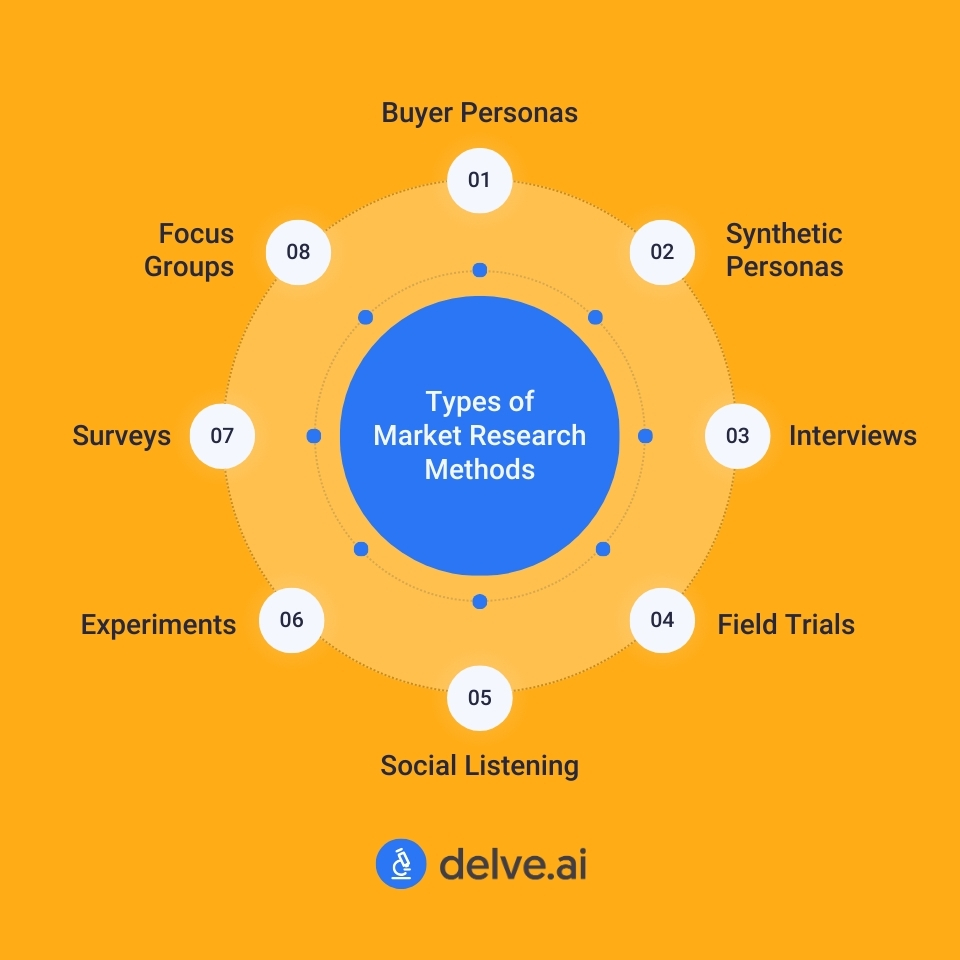
Exploring Market Research Methodologies
Market research methodologies play a crucial role in helping businesses understand their target audience, competitors, and industry trends. By utilizing various research techniques, companies can gather valuable insights that inform their strategic decisions and improve their competitive advantage.
Quantitative Research
Quantitative research involves collecting numerical data to analyze trends, patterns, and statistical relationships. Surveys, questionnaires, and experiments are common methods used in quantitative research. This approach provides valuable data on customer preferences, market size, and buying behavior.
Qualitative Research
Qualitative research focuses on gathering non-numerical data to gain deeper insights into consumer attitudes, motivations, and behaviors. Techniques such as focus groups, interviews, and observations are employed to understand the “why” behind consumer actions. Qualitative research is valuable for exploring complex issues and uncovering hidden trends.
Mixed-Methods Research
Mixed-methods research combines both quantitative and qualitative approaches to provide a comprehensive understanding of a market or target audience. By integrating data from multiple sources, businesses can gain a more holistic view of consumer behavior and preferences. This approach allows companies to triangulate findings and validate results across different methodologies.
Data Analysis
Once data is collected through various research methodologies, the next step involves analyzing the information to extract meaningful insights. Data analysis techniques such as regression analysis, factor analysis, and cluster analysis help businesses identify patterns, correlations, and trends within the data. This analytical process is essential for translating raw data into actionable recommendations.
Conclusion
Market research methodologies serve as powerful tools for businesses looking to make informed decisions based on solid evidence rather than assumptions. By employing a mix of quantitative, qualitative, and mixed-methods approaches, companies can gain a deep understanding of their target market and position themselves for success in an increasingly competitive business landscape.
8 Essential Tips for Effective Market Research Methodologies
- Define your research objectives clearly before starting.
- Choose the most suitable research methodology based on your objectives.
- Ensure your sample size is sufficient and representative of your target population.
- Use a mix of qualitative and quantitative research methods for a comprehensive understanding.
- Consider both primary (surveys, interviews) and secondary (existing data, reports) sources of information.
- Stay updated on the latest market research trends and technologies.
- Validate your findings through multiple sources to ensure accuracy and reliability.
- Regularly review and adjust your research methodologies to adapt to changing market dynamics.
Define your research objectives clearly before starting.
Defining your research objectives clearly before starting is a crucial tip in market research methodologies. By establishing specific goals and outcomes at the outset, businesses can focus their efforts on gathering relevant data that directly addresses their key questions and challenges. Clear research objectives help guide the selection of appropriate methodologies, ensure the collection of meaningful insights, and ultimately lead to actionable recommendations that drive informed decision-making and strategic planning within the organization.
Choose the most suitable research methodology based on your objectives.
When conducting market research, it is essential to choose the most suitable research methodology based on your objectives. By aligning your research approach with your specific goals, you can ensure that the data collected provides relevant and actionable insights. Whether you opt for quantitative research to measure market trends or qualitative research to understand consumer behavior, selecting the right methodology is key to obtaining meaningful results that drive informed decision-making and strategic planning.
Ensure your sample size is sufficient and representative of your target population.
To effectively leverage market research methodologies, it is crucial to ensure that your sample size is both sufficient and representative of your target population. A small or biased sample can lead to unreliable results and skewed insights, potentially compromising the validity of your research findings. By carefully selecting a sample that accurately reflects the characteristics of your target audience, you can enhance the reliability and relevance of your market research data, enabling more informed decision-making and strategic planning for your business.
Use a mix of qualitative and quantitative research methods for a comprehensive understanding.
To achieve a comprehensive understanding of market dynamics, it is essential to utilize a mix of qualitative and quantitative research methods. Qualitative research provides valuable insights into consumer attitudes and behaviors, offering a deeper understanding of the “why” behind their actions. On the other hand, quantitative research allows businesses to gather numerical data on trends and patterns, providing a broader view of market preferences and behaviors. By combining these two approaches, companies can gain a well-rounded perspective that informs strategic decision-making and drives business success.
Consider both primary (surveys, interviews) and secondary (existing data, reports) sources of information.
When delving into market research methodologies, it is essential to consider both primary and secondary sources of information. Primary sources, such as surveys and interviews, provide firsthand data directly from the target audience, offering valuable insights into consumer preferences and behaviors. On the other hand, secondary sources like existing data and reports can offer a broader perspective by leveraging already available information to complement and validate primary findings. By utilizing a combination of primary and secondary sources, businesses can gain a comprehensive understanding of their market landscape and make well-informed strategic decisions.
Stay updated on the latest market research trends and technologies.
To excel in market research, it is essential to stay updated on the latest trends and technologies shaping the industry. By keeping abreast of emerging methodologies and tools, researchers can enhance the accuracy and efficiency of their data collection and analysis processes. Embracing new technologies allows for more robust insights into consumer behavior, market dynamics, and competitive landscapes. Continuous learning and adaptation to evolving trends ensure that market researchers remain at the forefront of innovation, enabling them to deliver valuable and actionable insights to drive strategic decision-making for businesses.
Validate your findings through multiple sources to ensure accuracy and reliability.
Validating findings through multiple sources is a critical step in market research methodologies to guarantee accuracy and reliability. By cross-referencing data from various research methods, businesses can confirm the consistency and credibility of their insights. This approach helps mitigate biases and errors, providing a more robust foundation for strategic decision-making. Embracing diverse sources not only strengthens the validity of conclusions but also enhances the overall quality of market research outcomes, empowering organizations to make well-informed choices that drive success in their respective industries.
Regularly review and adjust your research methodologies to adapt to changing market dynamics.
Regularly reviewing and adjusting your research methodologies is essential to staying ahead in today’s rapidly evolving market landscape. By remaining flexible and responsive to changing market dynamics, businesses can ensure that their research efforts remain relevant and effective. Adapting research methodologies allows companies to capture emerging trends, respond to shifting consumer preferences, and stay competitive in an ever-changing marketplace. Embracing a dynamic approach to market research ensures that businesses are equipped to make informed decisions that drive growth and success.
Related Post

Exploring the Future of the Automobile Industry: Innovation, Sustainability, and Connectivity
The Evolution of the Automobile Industry The Evolution of the Automobile Industry The automobile industry [...]
Decoding Success: Harnessing the Power of Data for Business Growth
The Power of Data: Unleashing Insights for Success In today’s digital age, data has become [...]