Enhancing Workplace Safety Through Comprehensive Safety Training Programs
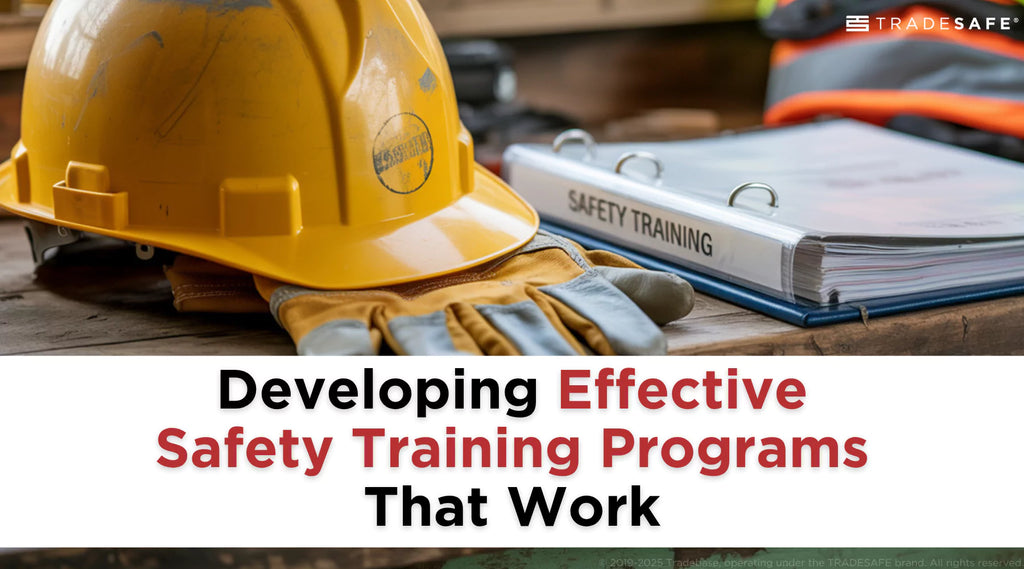
The Importance of Safety Training in the Workplace
Ensuring a safe work environment is essential for both employers and employees. One crucial aspect of maintaining workplace safety is providing adequate safety training to all personnel. Safety training not only helps prevent accidents and injuries but also promotes a culture of awareness and responsibility among workers.
Preventing Accidents
Accidents can happen in any workplace, but many can be prevented through proper safety training. By educating employees on potential hazards, safe practices, and emergency procedures, organizations can significantly reduce the risk of incidents that could result in injuries or damage to property.
Compliance with Regulations
Many industries are subject to specific safety regulations imposed by government agencies. Safety training ensures that employees are aware of these regulations and understand their responsibilities in complying with them. Failure to comply with safety regulations can lead to legal consequences and financial liabilities for organizations.
Promoting a Culture of Safety
Safety training goes beyond just meeting regulatory requirements; it fosters a culture of safety within the workplace. When employees are trained to prioritize safety in their daily tasks and look out for their colleagues’ well-being, the overall work environment becomes safer and more productive.
Increasing Employee Morale
Employees who feel safe at work are more likely to be satisfied with their jobs and perform better. Safety training demonstrates that employers care about their workers’ well-being, which can boost morale and create a positive work environment where employees feel valued and supported.
Continuous Improvement
Safety training should be an ongoing process rather than a one-time event. Regular refresher courses, updates on new safety protocols, and feedback mechanisms help ensure that employees stay informed and engaged in maintaining a safe workplace. Continuous improvement in safety practices leads to fewer accidents and greater overall efficiency.
Conclusion
Safety training is a critical investment for any organization committed to protecting its workforce, minimizing risks, and promoting a culture of safety. By providing comprehensive safety training programs, employers demonstrate their commitment to employee well-being while reaping the benefits of a safer, more productive workplace.
7 Essential Tips for Effective Safety Training in the Workplace
- Always wear appropriate personal protective equipment (PPE)
- Follow safety procedures and guidelines at all times
- Attend regular safety training sessions to stay informed
- Report any hazards or unsafe conditions immediately
- Take breaks when feeling fatigued to avoid accidents
- Ask questions if you are unsure about any safety protocols
- Encourage a culture of safety awareness among colleagues
Always wear appropriate personal protective equipment (PPE)
Wearing appropriate personal protective equipment (PPE) is a crucial aspect of safety training in any workplace. PPE serves as a barrier between the worker and potential hazards, providing essential protection against injuries and exposure to harmful substances. By always wearing the right PPE for the task at hand, employees can significantly reduce the risk of accidents and ensure their well-being while on the job. Incorporating the habit of wearing PPE into daily work routines demonstrates a commitment to safety and sets a standard for a culture of precaution and responsibility in the workplace.
Follow safety procedures and guidelines at all times
It is imperative to adhere to safety procedures and guidelines consistently to ensure a secure work environment. By following established protocols at all times, employees contribute to the prevention of accidents and injuries, promoting a culture of safety within the workplace. Consistent adherence to safety measures demonstrates a commitment to personal well-being and the well-being of others, fostering a responsible and proactive approach to maintaining a safe working environment for all.
Attend regular safety training sessions to stay informed
Attending regular safety training sessions is essential for staying informed about the latest safety protocols and best practices in the workplace. By participating in these sessions, employees can enhance their knowledge of potential hazards, emergency procedures, and safety regulations, ultimately contributing to a safer work environment for themselves and their colleagues. Continuous learning through regular training sessions ensures that employees remain up-to-date on safety measures and are better prepared to prevent accidents and respond effectively in case of emergencies.
Report any hazards or unsafe conditions immediately
It is crucial for all employees to report any hazards or unsafe conditions they encounter in the workplace promptly. By doing so, potential risks can be addressed and mitigated before they lead to accidents or injuries. Reporting hazards immediately not only helps ensure a safe work environment but also demonstrates a proactive commitment to safety among all staff members. Remember, timely reporting plays a vital role in preventing incidents and maintaining a culture of vigilance and responsibility in the workplace.
Take breaks when feeling fatigued to avoid accidents
Taking breaks when feeling fatigued is a crucial aspect of maintaining workplace safety. Fatigue can impair judgment, slow reaction times, and increase the likelihood of accidents occurring. By recognizing the signs of fatigue and proactively taking breaks to rest and recharge, employees can mitigate the risks associated with decreased alertness and concentration. Prioritizing regular breaks not only enhances individual well-being but also contributes to a safer work environment for everyone.
Ask questions if you are unsure about any safety protocols
It is crucial to prioritize workplace safety by actively seeking clarification on any uncertainties regarding safety protocols. Asking questions when unsure can help prevent accidents and ensure that all employees understand and adhere to the necessary safety measures. By fostering a culture where individuals feel comfortable seeking clarification, organizations can promote a safer work environment and reduce the risk of incidents. Remember, when it comes to safety, there is no such thing as a silly question – it’s always better to ask and be informed than to risk potential harm due to uncertainty.
Encourage a culture of safety awareness among colleagues
Encouraging a culture of safety awareness among colleagues is a key strategy in promoting workplace safety. By fostering an environment where employees actively look out for each other’s well-being and consistently prioritize safe practices, organizations can create a strong foundation for accident prevention and risk mitigation. When colleagues are encouraged to speak up about potential hazards, share safety tips, and support one another in following safety protocols, the entire workplace becomes a safer and more cohesive community dedicated to maintaining a secure working environment for everyone.
Related Post

Unlocking the Power of Continuous Learning
The Power of Learning The Power of Learning Learning is a lifelong journey that enriches [...]
Unveiling the Meaning Behind Analytics: A Comprehensive Guide
The Meaning of Analytics The Meaning of Analytics Analytics is the systematic computational analysis of [...]